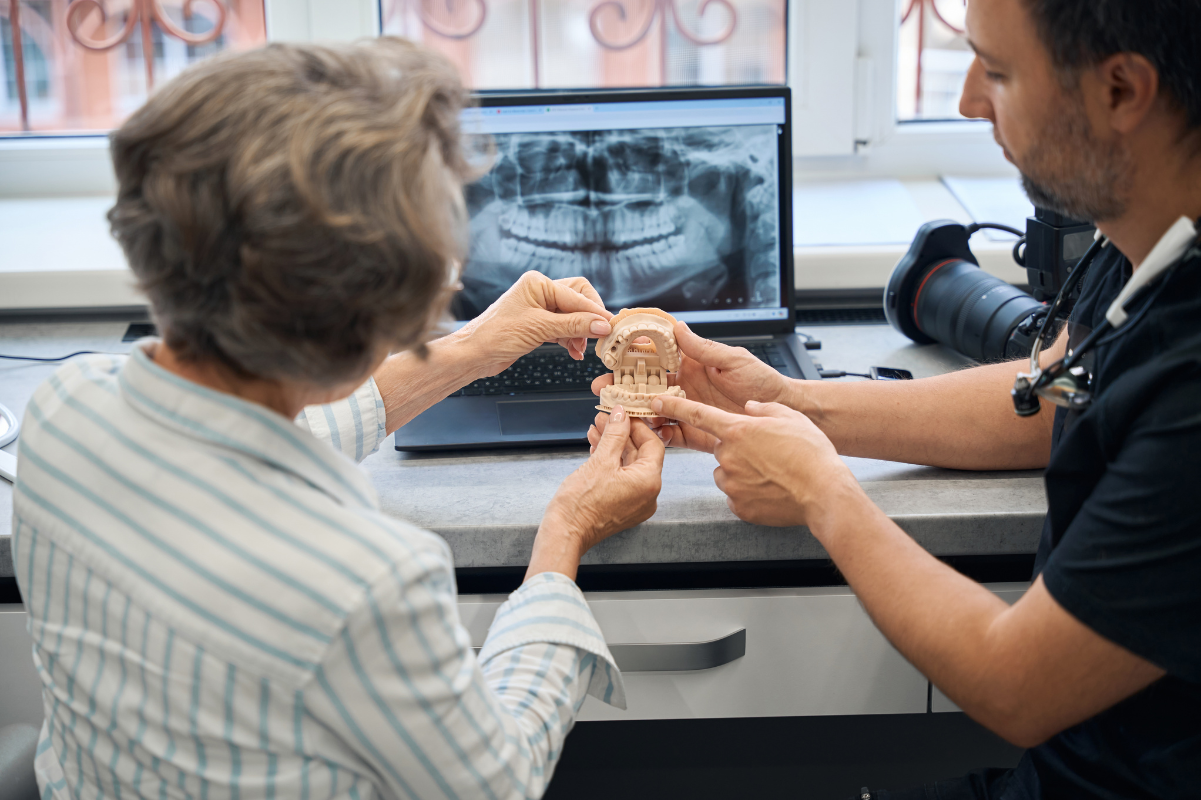
A dental crown is a valuable restoration for damaged or decayed teeth, offering strength, durability, and a natural appearance. However, while crowns are designed to last, they sometimes can become loose or fall out due to a variety of reasons, from chewing hard foods to poor oral hygiene. Here are some practical tips to help ensure your dental crown stays securely in place, keeping your smile both functional and beautiful for years to come.
1. Practice Good Oral Hygiene
One of the most effective ways to keep your dental crown securely in place is to maintain a consistent oral hygiene routine. Brushing twice a day and flossing daily helps prevent plaque buildup along the gumline and around the crown. Plaque can lead to gum disease, which may weaken the bond of the crown or even damage the natural tooth underneath. Use a toothbrush with soft bristles and a non-abrasive toothpaste to gently clean your crown without causing unnecessary wear.
2. Avoid Hard or Sticky Foods
Certain foods can increase the risk of your crown loosening or falling out. Sticky foods, like caramel or chewing gum, can pull on the crown and weaken its bond. Similarly, hard foods, like nuts, ice, and hard candies, can place excessive pressure on the crown, potentially causing it to crack or dislodge. Opt for softer food options and break down tough foods into smaller pieces before chewing to reduce stress on your crown.
3. Regular Dental Checkups
Regular dental visits are essential for monitoring the health and stability of your dental crown. Your dentist will check the crown for any signs of wear, shifting, or damage and can address small issues before they become bigger problems. Your dentist may also recommend professional cleanings to help remove plaque and tartar buildup in hard-to-reach areas, which is crucial for protecting the underlying tooth structure.
4. Use a Mouthguard for Protection
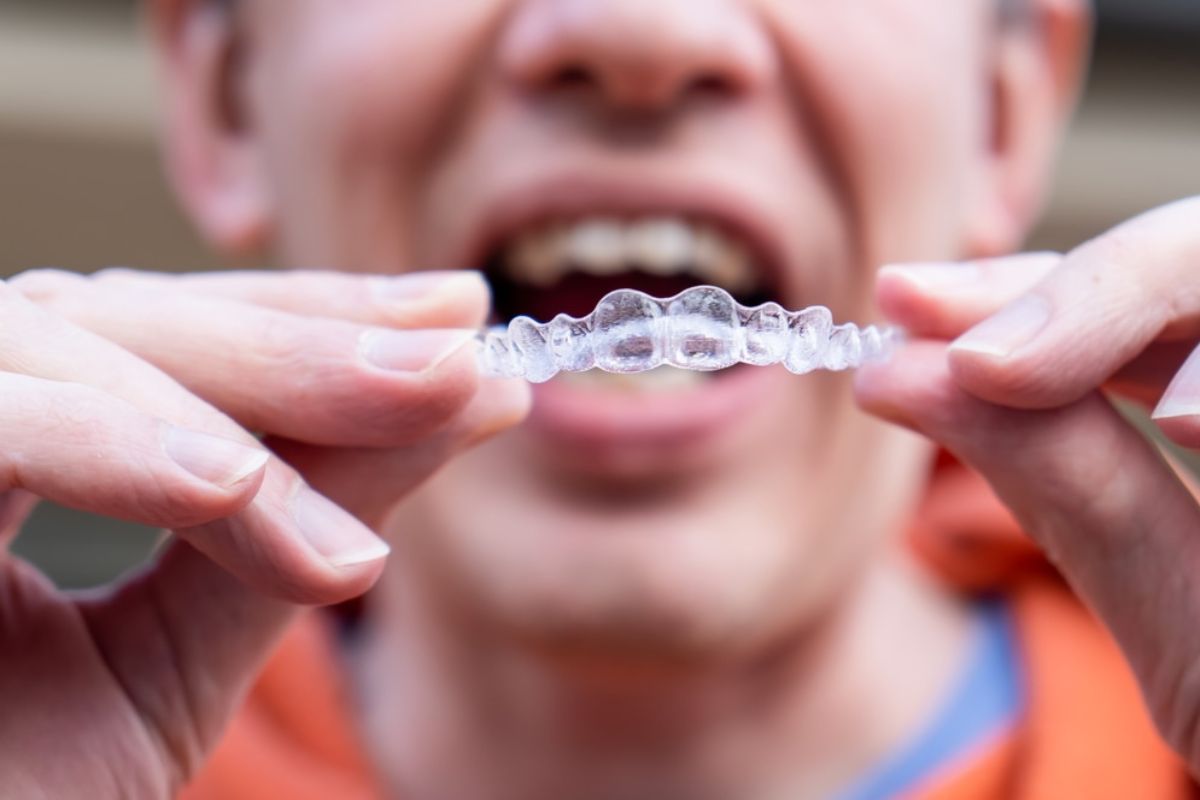
If you grind or clench your teeth (a condition known as bruxism), this can place excessive force on your crown, increasing the likelihood of it loosening or falling out. Using a custom-fitted mouthguard at night can protect your teeth and crown from these forces. Additionally, if you participate in contact sports, a sports mouthguard can shield your crown from impact and prevent accidental damage.
5. Avoid Using Your Teeth as Tools
Many people use their teeth to open packages, bite nails, or hold items, but these actions put unnecessary stress on your teeth and crowns. Using your teeth as tools can damage both the crown and natural tooth structure, potentially causing the crown to dislodge. Instead, use scissors, bottle openers, and other tools specifically designed for these tasks to keep your crown intact.
6. Be Mindful of Temperature Extremes
Extreme temperature changes can weaken the bond of your dental crown. For instance, eating or drinking something very hot followed by something cold (or vice versa) can cause the materials in the crown and natural tooth to expand or contract, potentially compromising the crown’s attachment. When possible, avoid sudden temperature shifts in foods and beverages to help maintain the integrity of your crown.
7. Don’t Skip the Floss
While many people are concerned that flossing might dislodge their crown, the opposite is true—flossing is essential for the health of both the crown and the surrounding gum tissue. When flossing near a crown, slide the floss gently out rather than snapping it up. This approach protects the bond and allows you to clean around the crown without the risk of dislodging it.
8. Address Sensitivity or Discomfort Early
If you feel any sensitivity, or discomfort, or notice the crown feels loose, schedule a dental appointment as soon as possible. Sensitivity around the crown can indicate a potential issue, such as a small gap between the crown and tooth or underlying decay. Addressing minor discomfort early on can prevent more serious issues and prevent the crown from falling out unexpectedly.
9. Use Crown-Specific Products if Recommended
For some patients, dentists may recommend using crown-specific products such as specialized toothpaste for crowns or temporary adhesives that provide additional support if the crown feels loose. Follow your dentist’s advice, as they may suggest these products based on the material and design of your crown.
What to Do if Your Crown Falls Out
Despite all precautions, a dental crown may become loose or fall out. If this happens, follow these steps:
- Keep the crown safe and bring it to your dentist.
- Avoid chewing on the affected side of your mouth.
- Clean the area gently to avoid any further irritation.
- See your dentist promptly for re-cementing or replacement.
While a dental crown can significantly enhance your smile’s function and appearance, it requires proper care to stay in place. By following these preventive measures and staying proactive with your dental care, you can enjoy the benefits of your dental crown for years to come. And remember, if you have any concerns about your crown or its stability, your dentist in Glendale AZ, is always there to help!