All-on-4 implants have become a popular choice for patients looking to restore their smile with a stable, long-lasting solution. If you’re considering a full mouth restoration, you’ve probably heard about All-on-4 implants. This treatment can transform your smile and quality of life, but you’re likely wondering about the success rates. Let’s dive into what the research shows and what factors influence your chances of success.
What Makes All-on-4 So Successful?
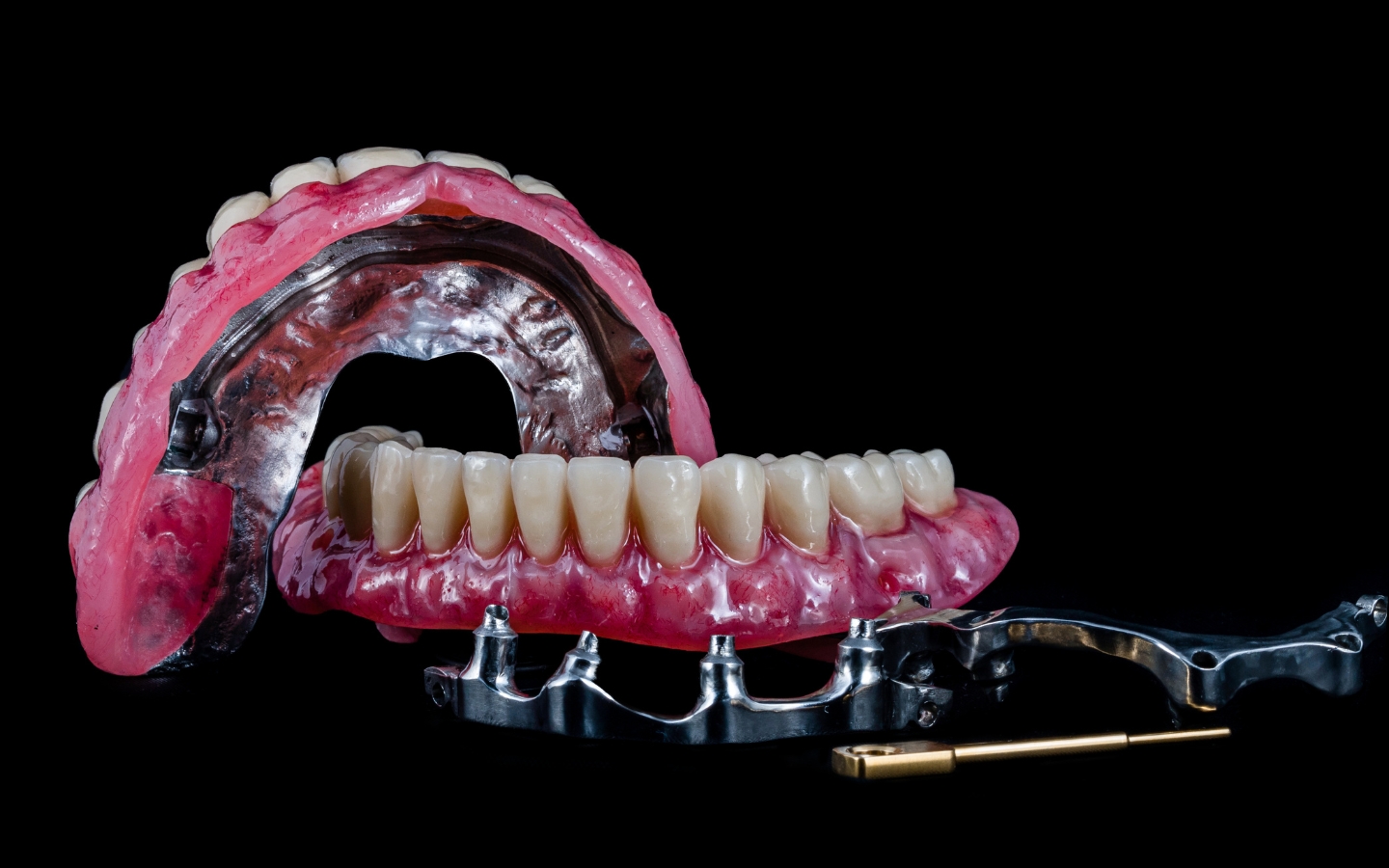
The high success rate stems from the unique design of this treatment. Instead of replacing each tooth individually, All-on-4 uses just four strategically placed implants to support a full arch of teeth. The angled placement of the back implants allows for better bone support and often eliminates the need for bone grafting.
Your dentist will assess your bone density and oral health before recommending this treatment. Patients who qualify for All-on-4 often see better outcomes because the treatment works best when specific conditions are met.
Factors That Affect Success Rates
Several key factors influence how well your All-on-4 implants will perform:
Oral Hygiene: Keeping your implants clean is crucial. Poor oral care can lead to peri-implantitis, an infection that threatens implant stability. Patients who maintain excellent hygiene have significantly higher success rates.
Smoking: Tobacco use reduces blood flow to the gums and bones, which impairs healing. Smokers have lower success rates, with some studies showing 10-15% higher failure rates compared to non-smokers.
Overall Health: Conditions like diabetes, osteoporosis, and autoimmune disorders can affect healing and integration. Well-controlled medical conditions typically don’t prevent successful outcomes, but uncontrolled conditions increase risks.
Bone Quality: Dense, healthy bone provides better support for implants. Your dentist will evaluate your bone quality through X-rays and CT scans before treatment.
Benefits Beyond Success Rate
Patients often choose All-on-4 implants glendale for more than durability. They also provide:
- A natural-looking smile that boosts confidence
- Strong bite function for eating most foods
- Improved speech compared to loose dentures
- Fixed teeth that don’t shift or click
These benefits make the procedure an attractive option for patients seeking lasting and reliable results.
Comparing All-on-4 to Other Options
Traditional individual implants have similar success rates but require more implants and often bone grafting. The treatment time is longer, and costs are typically higher. All-on-4 implants glendale offer comparable results with less complexity.
Removable dentures have much lower satisfaction rates due to comfort and function issues. Many denture wearers struggle with eating certain foods and experience bone loss over time.
The Role of Maintenance in Success
Long-term success depends heavily on proper maintenance. You’ll need regular check-ups with your dentist, professional cleanings, and daily home care. The good news is that caring for All-on-4 implants is straightforward once you establish good habits.
Most dental practices that offer all-on-4 implants glendale and other locations provide detailed care instructions and ongoing support. This relationship with your all-on-4 implants dental team plays a significant role in your long-term success.
FAQs: All-on-4 Dental Implants
1. How long do All-on-4 implants last?
With proper care, All-on-4 implants can last 20-25 years or even a lifetime. The prosthetic teeth may need replacement every 10-15 years due to normal wear.
2. What happens if an All-on-4 implant fails?
Individual implant failure doesn’t mean complete treatment failure. Often, a failing implant can be replaced without affecting the others. Your dentist will monitor your implants regularly to catch any issues early.
3. Are All-on-4 implants better than traditional dentures?
Yes, in most cases. All-on-4 provides better stability, improved chewing function, and helps preserve jaw bone. Success rates for traditional dentures vary widely based on fit and comfort, while All-on-4 offers predictable results.
4. Can anyone get All-on-4 implants?
Not everyone is a candidate. You need adequate bone volume and good overall health. Your dentist will perform a thorough evaluation to determine if you qualify.
5. What’s the recovery time for All-on-4?
Initial healing takes 3-6 months, but most patients can eat soft foods within a few days. The implants need time to integrate with your bone for long-term success.
6. How do I find the right dentist for All-on-4?
Look for a dentist with specific training in implant dentistry and All-on-4 procedures. Experience matters significantly in achieving optimal results.
7. Do All-on-4 implants feel natural?
After the adjustment period, most patients report their implants feel very natural. The fixed design provides stability that’s much closer to natural teeth compared to removable dentures.
Making Your Decision
The high success rates for All-on-4 dental implants make them an excellent option for full mouth restoration. However, success depends on choosing the right dentist, following post-treatment care instructions, and maintaining good oral health habits.
Consider your lifestyle, health status, and commitment to oral care when making this decision. The investment in All-on-4 can provide decades of improved quality of life when properly maintained.
Final Conclusion
If you’re considering All-on-4 implants glendale, schedule a consultation with an experienced implant dentist. They can evaluate your specific situation, discuss your treatment options, and help you understand what success rates you can expect based on your individual circumstances.
Don’t let missing teeth hold you back from living your best life. With success rates consistently above 94%, All-on-4 dental implants offer a reliable solution that can restore your confidence and oral function for years to come.