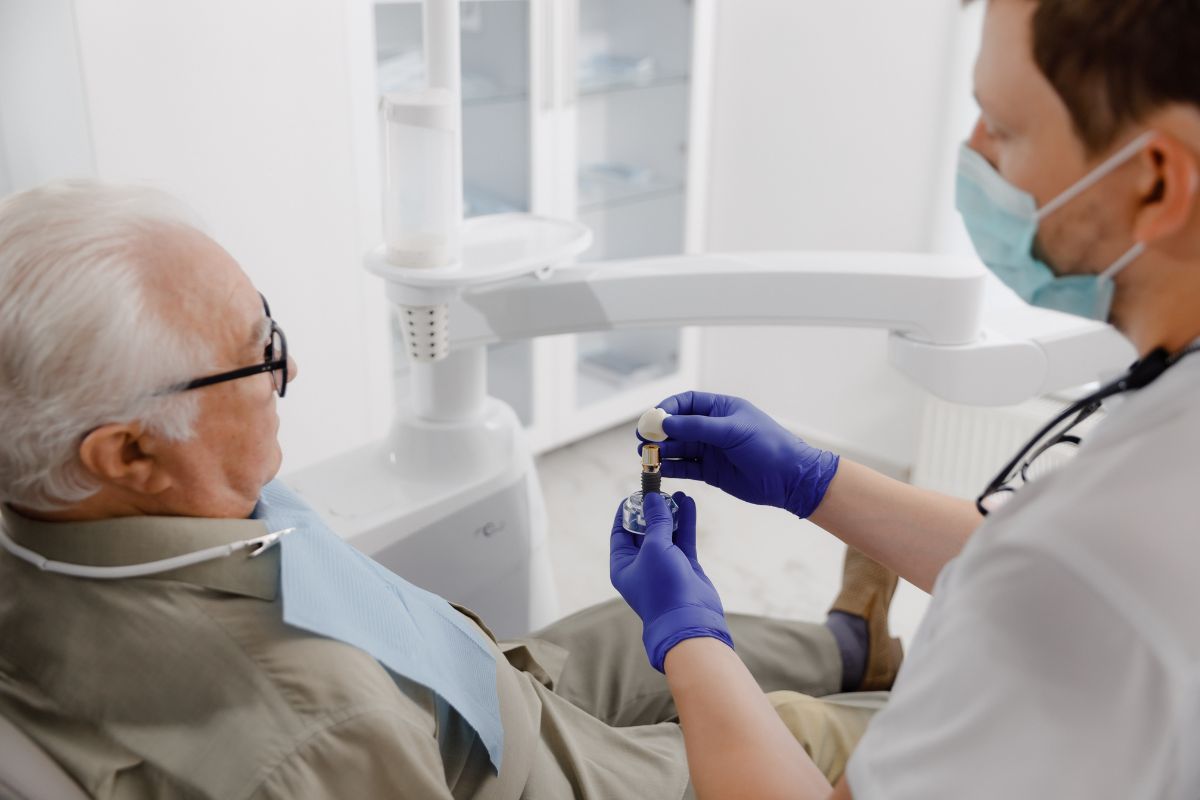
Did you know that the success rate for dental restorations is very high? These are a few of the greatest ways to bring back the beauty of your lost teeth. When compared to alternative treatments, the implants are unquestionably superior because they are efficient and provide lifetime stability. In contrast to alternative solutions like dentures, they are stable because they are surgically inserted into your jawbone. Because of these factors, the majority of patients prefer to try these restorations. But like all surgical procedures, this treatment also needs to heal properly.
During your recuperation period, you must adhere to all the instructions if you have restorations. Although the likelihood of contracting any infection is low, it is nonetheless possible. For your implants to heal more quickly, it is best to maintain them properly. If you notice any of the symptoms that point to troubled healing, you should see your dentist right away. This blog explores the healing process of dental implants in Glendale.
The Healing Procedure of Implant
Over 3 million individuals in the U.S. have dental implants, and this number is increasing by about 500,000 annually. It’s a popular and effective treatment; if you get the treatment, you need to ensure that you follow the instructions for complete healing. Here are the steps in the healing procedure:
0-24 Hours After Surgery
Right after your surgery, you won’t experience pain or discomfort because of the numbing and sedation. Most bleeding should subside within 1-2 hours, but some intermittent bleeding may continue for 24 hours or more. As the sedation wears off, you might feel some pain and discomfort. If you have a painkiller prescription, make sure to fill it and take it as instructed. Applying ice to the cheek near your implant site will also help numb the area.
1-3 Days After Surgery
During this period, symptoms such as pain, swelling, and discomfort usually reach their peak and then start to subside. Additionally, there shouldn’t be any noticeable bleeding at the surgical site after a day or two. During this period, you must continue to consume soft meals and refrain from strenuous activity. Try to avoid brushing the area directly around the dental implant. By taking these precautions, you can reduce bleeding and lower the risk of damaging the blood clots surrounding your restoration.
3-7 Days After Surgery
In addition to liquid and soft foods, you can typically begin eating somewhat stiffer foods, such as rice and pasta, after three days. For at least a week, you should continue to stay away from crunchy and hard meals. You can resume exercising at this point as well, though we advise avoiding strenuous activities for at least a week following surgery. Your implant site may continue to experience pain even with very intense exertion. Continue to rinse your mouth and brush your other teeth as usual. For at least a week, avoid brushing the implant site directly.
1-2 Weeks After Surgery
You can begin brushing your implant site right after a week, when your mouth will have healed considerably. However, you should still chew harsh, crunchy, and hard items with the opposite side of your mouth. You can also start eating almost anything you desire. Most patients are fully recovered after two weeks. The implant site should feel fully healed and normal; however, it can feel a little sensitive to the touch. After the initial healing phase, the restoration will continue to repair over the next three to six months.
Book an Appointment with Us
After undergoing dental implant surgery, are you experiencing issues with healing? If so, you’ve come to the right place, as we provide individualized services and expert care. At Family Dental Station – Glendale, we strive to deliver compassionate care that makes the healing journey as comfortable as possible. With years of knowledge, our dentist can handle any problem you may be having. Therefore, don’t hesitate to contact us to arrange a consultation for dental implants.