

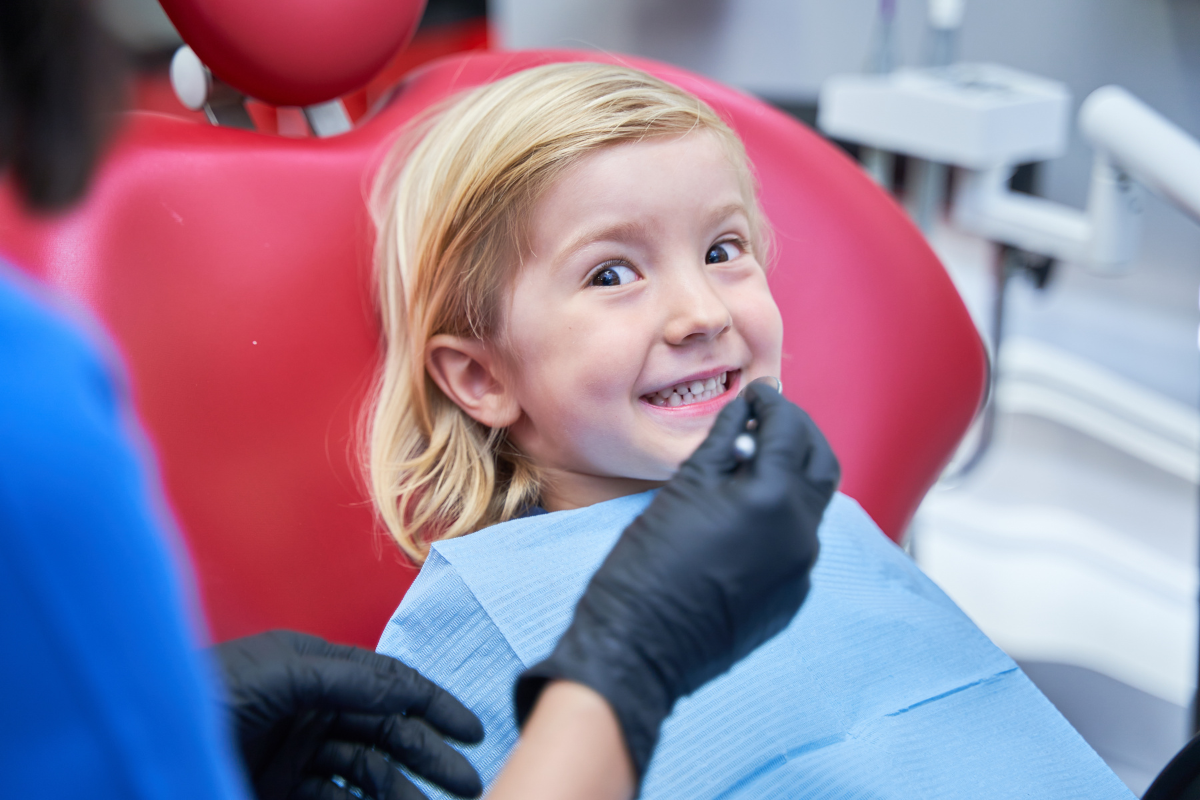
Most people visit the dentist only when something hurts. But by then, the damage is often already done. Preventive dentistry takes a different approach. It helps you keep your teeth healthy before problems start, saving you time, money, and discomfort in the long run.
At Family Dental Station in Glendale, AZ, we see this every day. Patients who come in regularly for checkups deal with far fewer dental emergencies than those who wait. The difference is simple: prevention works.
What Preventive Dentistry Actually Means
Preventive dentistry covers all the steps taken to protect your teeth and gums before disease sets in. This includes routine cleanings, exams, X-rays, fluoride treatments, and sealants. It also includes the habits you build at home, like brushing twice a day and flossing daily.
Think of it like changing the oil in your car. Skip it long enough, and you end up with a much bigger problem.
The Real Cost of Skipping Routine Care
A basic cleaning costs a fraction of what a root canal or crown does. When small issues like plaque buildup or early gum inflammation go untreated, they grow into costly treatments.
Here is what can happen when you skip regular visits:
- Cavities deepen and reach the nerve, requiring root canal treatment
- Gum disease progresses and leads to tooth loss
- Staining and buildup become harder to remove
- Small cracks go unnoticed until they become fractures
Teeth Whitening Glendale patients often come in asking why their teeth have yellowed despite brushing. In many cases, the answer is years of skipped cleanings that allowed surface stains to set in deeper layers.
How Regular Checkups Protect Your Smile
Your dentist does more than clean your teeth during a routine visit. They check for early signs of cavities, gum disease, oral cancer, and bite issues. Catching these early makes treatment simpler and less expensive.
X-rays show what the eye cannot. They reveal decay between teeth, bone loss, and developing issues below the gum line. This information shapes a care plan that keeps small issues from becoming big ones.
For families in Glendale, staying on top of these visits is especially important. Busy schedules make it easy to delay appointments, but consistency is what keeps your dental health on track.
Building Good Habits at Home
Professional care alone is not enough. What you do between visits matters just as much. Here are the basics that make a real difference:
Brush properly. Use a soft-bristle toothbrush and fluoride toothpaste. Brush for two minutes, twice a day.
Floss daily. Flossing removes food and plaque from areas your toothbrush cannot reach.
Watch what you eat. Sugary drinks and acidic foods wear down enamel over time. Drinking water, especially fluoridated tap water, helps protect your teeth throughout the day.
Replace your toothbrush. Every three to four months, or sooner if the bristles are frayed.
These small steps, done consistently, make your professional cleanings more effective and your results longer lasting.
Teeth Whitening as Part of Your Dental Care Routine
A healthy smile is also one you feel good about. Teeth Whitening Glendale is one of the most requested services at Family Dental Station, and for good reason. Professional whitening is safer and more effective than over-the-counter options. It removes stains from coffee, tea, wine, and tobacco without damaging your enamel when done correctly.
The important thing is timing. Whitening works best on a clean, healthy mouth. That is why we recommend completing a routine cleaning before any whitening treatment. It gives you the best results and makes sure your teeth and gums are in good shape beforehand.
If you have been searching for a dentist near me who offers whitening alongside comprehensive care, that combination is exactly what preventive dental practices provide.
Why Preventive Care Matters More as You Age
Dental needs change as you get older. Adults over 40 are at higher risk for gum disease, dry mouth (often caused by medications), and enamel wear. Seniors face even greater challenges, including increased risk of tooth loss and oral infection.
Preventive care adjusts to these changing needs. Your dentist can recommend treatments that target what your smile needs at each stage of life, whether that is fluoride varnish, night guards for grinding, or more frequent cleanings to manage gum health.
Starting early and staying consistent is the best investment you can make for your long-term dental health.
Conclusion
Preventive dentistry is not about complicated treatments or expensive procedures. It is about showing up consistently, taking care of your teeth at home, and letting your dental team catch small issues before they grow.
Whether you are interested in Teeth Whitening Glendale services, managing gum health, or simply keeping your family’s smiles in good shape, the path forward starts with a routine visit. For those searching for a dentist near me in the Glendale area, Family Dental Station is here to help with care that fits your schedule and your goals.
Take the first step today. Schedule a consultation with Family Dental Station and build a preventive plan that works for your smile. Contact our Family Dental Station office to book your appointment and get the care your teeth deserve.
Frequently Asked Questions
1. How often should I visit the dentist for preventive care?
Most adults benefit from two visits per year. Some patients with gum disease or other ongoing concerns may need more frequent appointments.
2. At what age should children start seeing a dentist?
Children should have their first dental visit by age one or when their first tooth appears. Starting early builds good habits and helps catch any early developmental concerns.
3. Is teeth whitening safe for my enamel?
Professional whitening, done under dental supervision, is considered safe. Your dentist will check your teeth and gums before starting to make sure you are a good candidate.
4. What is the difference between a cleaning and a deep cleaning?
A regular cleaning removes surface plaque and tartar above the gum line. A deep cleaning (scaling and root planing) goes below the gum line and is used when gum disease is present.
5. Can preventive care really help me avoid cavities?
Yes. Regular cleanings remove buildup that leads to decay. Combined with proper brushing, flossing, and fluoride, preventive care significantly reduces your cavity risk.
6. Does dental insurance cover preventive visits?
Most dental insurance plans cover two preventive visits per year at little or no cost. Check your specific plan for details, as coverage varies.
7. What can I do if I have dental anxiety?
Let your dental team know. Many practices offer comfort measures like numbing gel, a calm environment, and clear communication during each step to help anxious patients feel more at ease.
8. How can I keep my teeth white between professional treatments?
Avoid staining foods and drinks when possible, rinse with water after meals, and brush before bed. Using a whitening toothpaste approved by the ADA can also help maintain your results.