Your smile does more than just light up a room. It affects how you eat, speak, and feel about yourself every single day. When dental problems chip away at your confidence or comfort, modern restorative dentistry offers real solutions that can transform your oral health.
When a patient faces decay, trauma, or tooth loss, the role of restorative dentistry shifts from mere patchwork to precise, lasting repair. If you are working in dental or health care, you already know the pressure: patients expect results that look natural, last long, and feel comfortable.
In this article, we’ll walk you through the modern restorative tools and techniques your professional dentist can offer. You’ll get clear insight into what’s new, what’s proven, and how to guide patients in making informed decisions.
What Restorative Dentistry Really Means
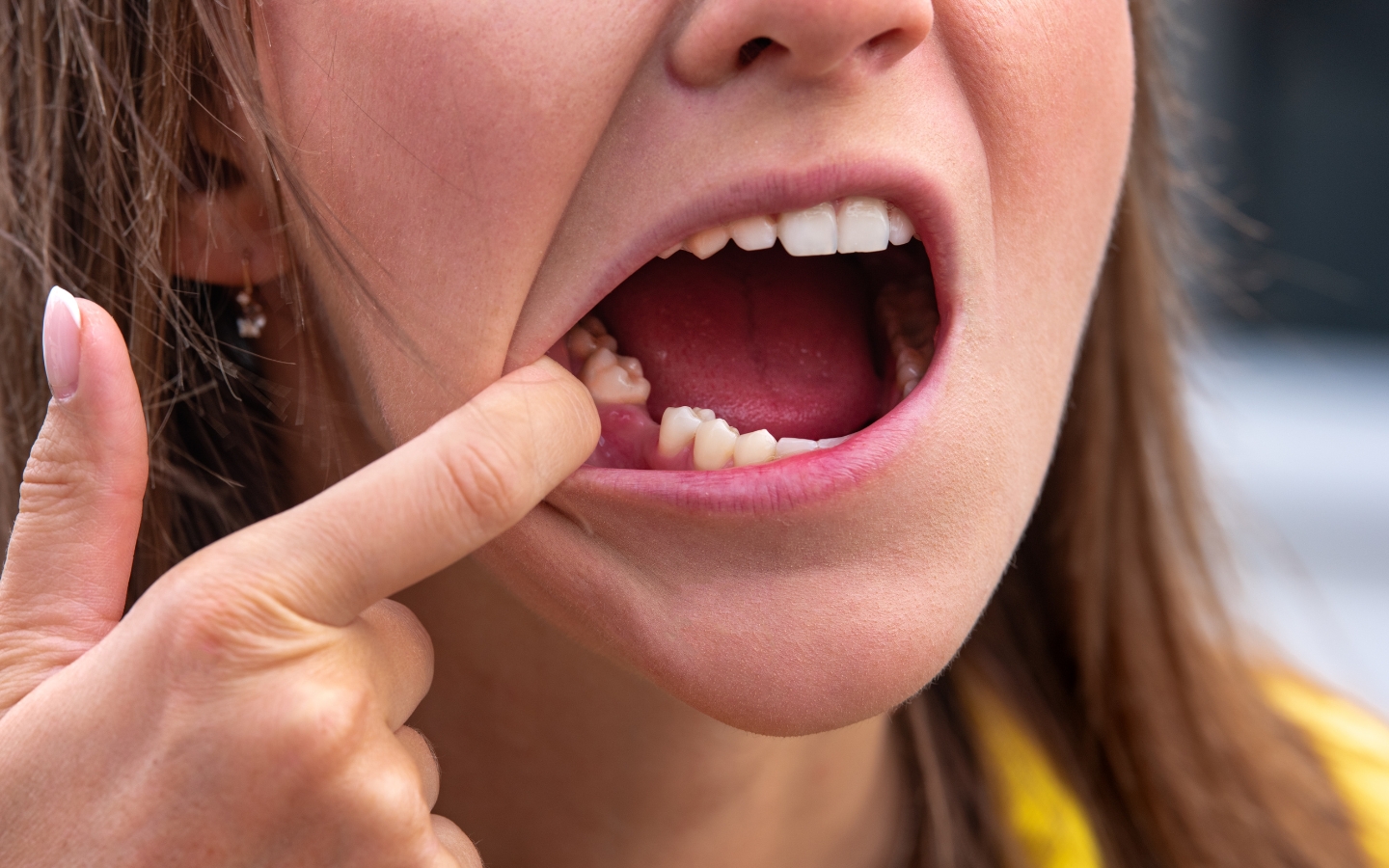
Restorative dentistry focuses on repairing or replacing damaged and missing teeth. Think of it as rebuilding what time, accidents, or decay has taken away. The goal is simple: restore your teeth’s function and appearance so you can eat your favorite foods, speak clearly, and smile without holding back.
Today’s treatments blend advanced technology with proven techniques. From simple fillings to complete smile makeovers, a qualified dentist near me can assess your unique needs and create a treatment plan that works for your lifestyle and budget.
According to the American Dental Association, today’s treatments blend advanced technology with proven techniques. From simple fillings to complete smile makeovers, a qualified dentist near me can assess your unique needs and create a treatment plan that works for your lifestyle and budget.
Common Restorative Treatments Available Today
Dental Crowns
Crowns act like protective caps over damaged teeth. When a tooth has a large cavity, crack, or has undergone root canal treatment, a crown keeps it strong and functional. Made from materials like porcelain or ceramic, modern crowns look natural and can last 10 to 15 years with proper care.
Bridges
Missing one or more teeth? Bridges literally bridge the gap by anchoring artificial teeth to your natural teeth on either side. This stops surrounding teeth from shifting out of place and restores your ability to chew properly.
Dental Implants
Dental implants represent one of the most successful advances in modern dentistry. These titanium posts are surgically placed into your jawbone, where they fuse with the bone to create a stable foundation for replacement teeth. If you’re searching for dental implants glendale or exploring options in your area, know that implants offer a permanent solution that looks, feels, and functions like natural teeth.
Unlike dentures that can slip or bridges that rely on adjacent teeth, implants stand independently. They prevent bone loss, maintain facial structure, and can last a lifetime with good oral hygiene.
Fillings
Cavities happen, but modern fillings make repairs almost invisible. Tooth-colored composite materials blend with your natural enamel, so no one needs to know you’ve had dental work done.
Dentures
For patients missing most or all of their teeth, dentures provide a removable solution. Today’s dentures look more realistic than ever and come in partial or complete sets based on your needs.
Why Choose Modern Restorative Solutions
Waiting to fix dental problems only makes them worse and more expensive to treat. A small cavity can turn into a root canal. A missing tooth can cause bone loss and affect surrounding teeth.
Modern restorative techniques offer several benefits:
Improved Function: Eat the foods you love without pain or difficulty. Speak clearly without worrying about gaps or loose teeth.
Better Appearance: Natural-looking materials mean your restored teeth blend seamlessly with your smile.
Long-Term Durability: Quality restorative work, when properly maintained, can last many years or even decades.
Preserved Oral Health: Fixing problems now prevents bigger issues down the road and protects your remaining natural teeth.
Boosted Confidence: There’s real value in smiling without embarrassment or self-consciousness.
What to Expect During Treatment
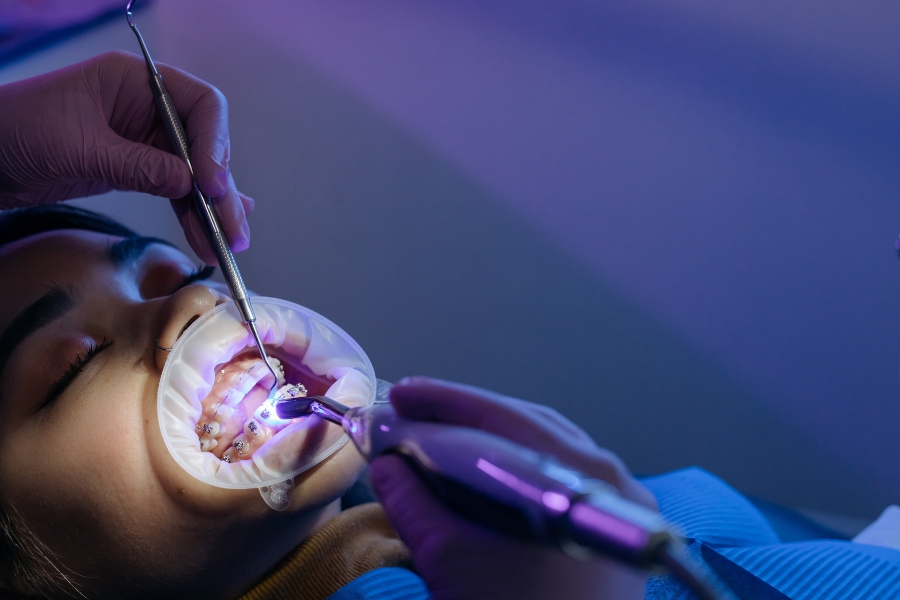
Your first visit to a dentist Glendale area or wherever you’re located will typically involve a complete examination. X-rays help identify problems not visible to the naked eye. Your dentist will discuss findings honestly and explain all treatment options, including costs and timeframes.
Most restorative procedures require local anesthesia to keep you comfortable. Simple treatments like fillings might take just one visit, while more complex work like dental implants glendale specialists provide may require several appointments spread over months.
Recovery varies by procedure. Fillings and crowns typically cause minimal discomfort. Surgical procedures like implant placement need more healing time, but your dentist will provide clear aftercare instructions and pain management guidance.
Caring for Your Restored Teeth
Restorative work isn’t a free pass to skip brushing. Your restored teeth need the same care as natural ones. The American Dental Association’s MouthHealthy program recommends:
- Brush twice daily with fluoride toothpaste
- Floss every day to remove plaque between teeth
- Visit your dentist for regular checkups and cleanings
- Avoid chewing ice or hard objects that can damage restorations
- Wear a nightguard if you grind your teeth while sleeping
Common FAQs: Restorative Dentistry
1. How long do dental implants last?
With proper care, dental implants can last 25 years or even a lifetime. The crown attached to the implant may need replacement after 10 to 15 years.
2. Are restorative dental procedures painful?
Most procedures involve local anesthesia, so you shouldn’t feel pain during treatment. Some discomfort afterward is normal and manageable with over-the-counter pain relievers.
3. Does insurance cover restorative dentistry?
Coverage varies by plan and procedure. Many insurance plans cover basic restorations like fillings and crowns partially. Check with your provider about specific coverage details.
4. How much do dental implants cost?
Costs range from $3,000 to $4,500 per implant, depending on location and complexity. While expensive upfront, implants often prove more cost-effective long-term than bridges or dentures.
5. Can I eat normally after restorative work?
Yes, once healing is complete. Your dentist will provide specific dietary guidelines during recovery periods.
6. What if I have dental anxiety?
Many dentists offer sedation options for anxious patients. Discuss your concerns openly so your dentist near me can help you feel comfortable.
7. How do I choose between different restorative options?
Your dentist will consider factors like your overall health, bone density, budget, and personal preferences to recommend the best solution for your situation.
Conclusion
Your oral health affects your overall well-being in ways you might not realize. Dental problems can lead to difficulty eating nutritious foods, affect your speech, and even impact your self-esteem and social interactions.
Modern restorative dentistry offers proven solutions for almost any dental challenge. Whether you need a simple filling or are considering dental implants Glendale professionals provide, the first step is scheduling a consultation with a trusted Glendale dentist whom residents rely on for quality care.
Don’t let dental problems hold you back another day. Contact a local dental office to discuss your concerns and explore your options. A healthier, more confident smile is closer than you think.