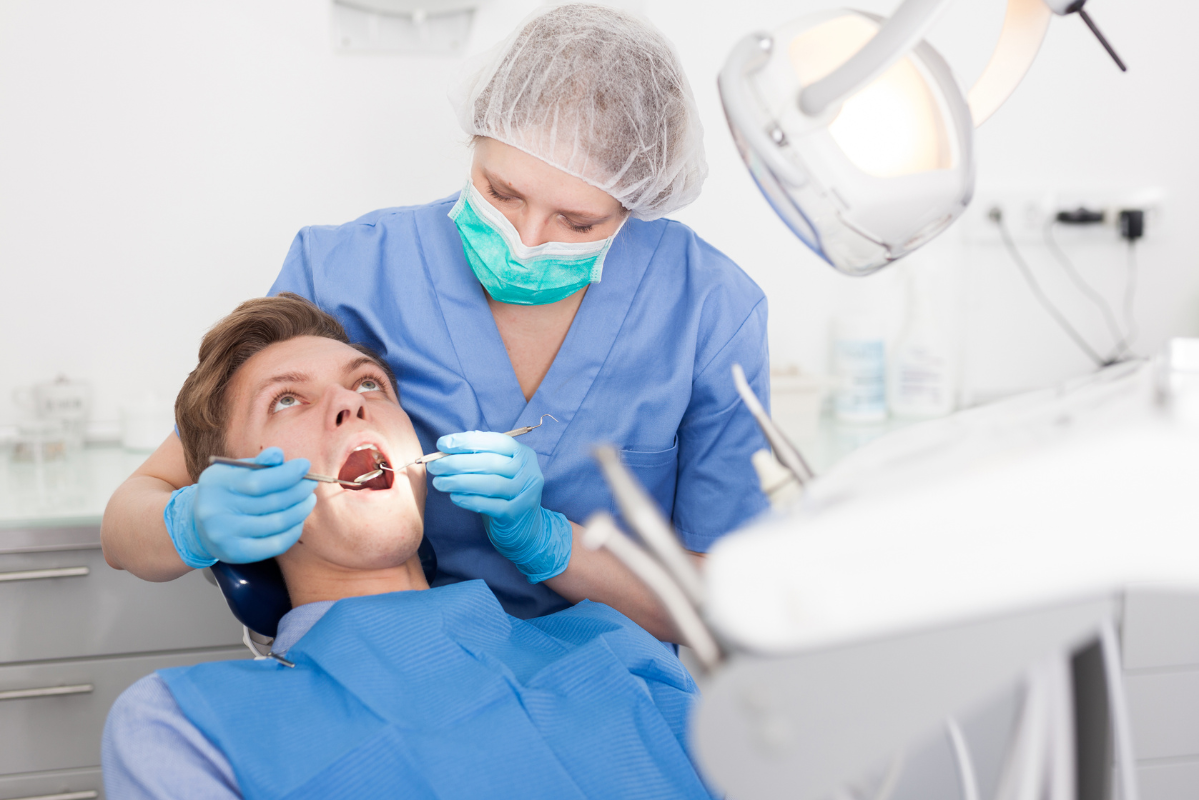
Going to the dentist used to mean drills, guesswork, and a lot of waiting. For many people, even routine checkups felt stressful. But something has quietly changed in dental offices across the country, and patients are starting to notice. The experience feels different now. Faster. Clearer. Less uncomfortable.
If you’ve been searching for a dentist near me and wondering what sets one practice apart from another, the answer often comes down to technology. Dental care has changed more in the past ten years than it did in the previous fifty. And that shift is making a real difference for patients who walk through the door every single day.
What Digital Dentistry Actually Means for You
Digital dentistry is not one single tool or machine. It’s a collection of modern methods that help dentists see more clearly, plan better, and treat patients with greater accuracy. Think of it as upgrading from a paper map to GPS navigation. The destination is the same, but how you get there is much smoother.
Some of the most common digital tools now used in dental offices include:
• Digital X-rays that use up to 80% less radiation than traditional film
• Intraoral cameras that let you see what your dentist sees in real time
• 3D imaging that creates a complete picture of your teeth, jaw, and bone structure
• CAD/CAM technology that designs and creates crowns or restorations in a single visit
• Laser tools used for gum treatment and cavity removal with less discomfort
Together, these tools allow dentists to catch problems earlier, explain them more clearly to patients, and treat them with fewer appointments and less discomfort.
Local Dental Concerns That Are Being Addressed More Effectively
Across Glendale, Arizona, dental offices are reporting a steady rise in patients coming in with issues that went unnoticed for too long. Some of the most common concerns include untreated gum disease, cracked teeth from teeth grinding, and cavities that progressed into root canals simply because they weren’t caught early.
A glendale dentist today has access to tools that make it much easier to spot these problems at an earlier stage. For example, 3D imaging reveals bone loss around a tooth before a patient feels any pain. Early detection means simpler and more affordable treatment. Patients who once needed extensive procedures now leave the chair with a much lighter plan.
The Glendale community has a high number of working families and adults who delay dental visits due to time or anxiety. Digital tools help address both. Shorter visits, clearer explanations, and less discomfort have encouraged more people to stay consistent with their care.
How Technology Is Changing the Dental Visit
One of the biggest changes patients notice is how much better they understand their own dental health. In the past, a dentist might say, ‘You have a small cavity forming,’ and the patient would simply nod and trust the process. Now, with intraoral cameras and digital imaging, that same patient can see the issue on a screen right in front of them.
This transparency builds trust. When a patient sees their own X-ray or watches a real-time image of their tooth, they feel involved in their own care. Questions get answered faster. Treatment decisions feel less overwhelming.
Speed is another major benefit. Procedures that once required multiple visits, like getting a crown made, can now be done in a single appointment with same-day technology. That matters a lot for busy adults who are already stretched thin between work and family.
Meet Our Doctors
At Family Dental Station in Glendale, Arizona, two experienced doctors lead patient care with a focus on both comfort and clinical excellence.
Dr. Ryan Arthurs
Dr. Ryan Arthurs brings a strong background in general and restorative dentistry. His focus areas include tooth-colored fillings, crowns, bridges, and full-mouth restorations. He works closely with patients who have dental anxiety, taking time to explain each step before beginning any treatment. Dr. Arthurs believes that a well-informed patient is a more comfortable one. He uses digital imaging and same-day restoration technology to reduce the number of visits patients need while improving the quality of results.
Dr. Dharti Bhakta
Dr. Dharti Bhakta specializes in comprehensive dental care with a particular interest in preventive dentistry and cosmetic treatments. She has helped many patients address long-standing concerns like gum disease, discoloration, and misalignment using modern, minimally invasive methods. Dr. Bhakta is known for her patient-first approach, making sure each person understands their options before moving forward. Her work with families and individuals of all ages has made her a trusted figure in the Glendale community.
Together, Dr. Arthurs and Dr. Bhakta bring a combined commitment to using the best available tools to deliver care that feels personal and efficient.
Comfort and Anxiety: A Real Shift in Patient Experience
Dental anxiety is one of the most common reasons people avoid care. Studies show that nearly 36% of Americans experience some form of dental fear. For many, the fear is not just about pain. It’s about not knowing what’s happening, feeling out of control, or having had a bad experience in the past.
Digital tools help address this. When patients can see what’s being done and understand why, anxiety often decreases naturally. Faster procedures also mean less time in the chair. And techniques like laser dentistry reduce the need for injections in some cases, which helps those who dread needles.
For patients looking for a dentist near me who takes anxiety seriously, these advances are more than just conveniences. They’re the reason some people finally return to the dentist after years away.
What to Expect When You Choose a Digitally Equipped Practice
Walking into a modern dental office looks and feels different from older experiences. You might be asked to bite down on a small sensor instead of film during your X-rays. You might see your teeth projected on a monitor. Your dentist might hand you a small mirror-like camera so you can view your own mouth.
These experiences can feel new if you haven’t encountered them before. But most patients quickly appreciate them. The clarity they bring makes conversations between patient and dentist much more productive. And productive conversations lead to better decisions and better outcomes.
When you search for a glendale dentist or look up a dentist near me, it’s worth asking whether the practice uses digital X-rays, intraoral cameras, or same-day restorations. These details can tell you a lot about how the office approaches patient care.
Preventive Care Gets Smarter
Prevention is the most effective form of dental care. Finding a problem before it becomes serious saves time, money, and discomfort. Digital tools have made preventive care significantly more accurate.
For example, digital X-rays can detect decay between teeth at a very early stage, often before the patient notices any sensitivity. Soft tissue lasers can detect early signs of gum disease and treat them in the same visit. Some practices now use AI-assisted diagnostics to flag areas of concern that might be missed by the human eye alone.
This doesn’t mean the dentist is replaced by a machine. It means the dentist has better tools to do their job well. The human judgment, conversation, and care remain at the center of every visit.
A Note on Cost and Insurance
A common concern is whether advanced dental technology means higher costs. In many cases, the answer is no. Early detection prevents the need for more expensive treatment later. Same-day restorations eliminate extra lab fees and follow-up appointments. And most digital tools work within the same insurance frameworks as traditional methods.
It’s always worth calling the office ahead of your visit to ask about coverage and payment options. Most modern practices, including those serving the Glendale area, work with a wide range of insurance plans and offer flexible payment arrangements.
Making an Informed Choice About Your Dental Care
Dental care is personal. What works well for one person may not be the right fit for another. But one thing most patients agree on is that feeling informed and comfortable during a dental visit makes a significant difference in how often they go back.
Technology has made that possible in ways that weren’t available even a decade ago. Whether you need a routine cleaning, a filling, or something more complex, the tools a dentist uses directly affect how clear, comfortable, and efficient your experience will be.
If you’ve been putting off a visit or are looking for a glendale dentist who prioritizes both modern care and patient comfort, now is a good time to take that step. At Family Dental Station in Glendale, Arizona, Dr. Ryan Arthurs and Dr. Dharti Bhakta are here to help you understand your options and feel good about the care you receive. To get started, schedule a consultation with Family Dental Station and take the first step toward dental care that feels clear, comfortable, and built around you. You can also contact our Family Dental Station office directly by phone or through our website to ask any questions before your first visit.
Your smile is worth it, and so is your comfort. The right dentist near me isn’t just about location. It’s about finding a place where you feel heard, respected, and well cared for.
Frequently Asked Questions
1. Is digital dentistry safe for children?
Yes. Digital X-rays use significantly less radiation than traditional film, making them a safer choice for patients of all ages, including children. Intraoral cameras and other digital tools are non-invasive and comfortable for young patients.
2. How long does a same-day crown procedure take?
Most same-day crown procedures take between one and two hours from start to finish. The tooth is prepared, scanned digitally, and the crown is milled on-site. This eliminates the need for temporary crowns and a second visit.
3. Does digital dentistry cost more?
Not necessarily. While some digital tools require an upfront investment from the practice, patients often save money overall because early detection prevents more costly procedures, and same-day services reduce the number of visits.
4. What is an intraoral camera used for?
An intraoral camera is a small, pen-shaped device that captures high-definition images of the inside of your mouth. It helps dentists show patients exactly what they’re seeing, which makes treatment explanations clearer and more understandable.
5. Can laser dentistry replace traditional drilling?
In some cases, yes. Lasers can remove decayed tissue and treat gum problems with less discomfort and without the need for a drill. However, not all procedures can be done with a laser. Your dentist will determine the best approach based on your specific condition.
6. How do I know if a dental office uses modern technology?
You can ask directly when you call to book an appointment. Questions to ask include whether they use digital X-rays, intraoral cameras, or same-day crown technology. You can also check the practice’s website or read patient reviews that mention the office environment.
7. Is digital imaging more accurate than traditional X-rays?
Digital imaging provides higher resolution images that can be zoomed in, adjusted for contrast, and shared with specialists instantly. This makes it easier to detect problems that might be missed on traditional film, especially in early stages.
8. What if I have dental anxiety?
Dental anxiety is very common and valid. Modern dental practices are more equipped than ever to help patients feel comfortable. From shorter procedures and clear explanations using digital tools to sedation options, there are many ways to make your visit manageable. Talk to your dentist before the appointment so they can prepare accordingly.