You’ve been told you need to replace a missing tooth. Your dentist mentions implants, and you nearly fall out of the chair when you hear the price. Maybe you’ve even started searching for a “dentist near me” hoping to find a cheaper option.
Here’s the thing: dental implants do cost more at first. But when you look at what happens over 10, 20, or even 30 years, they often end up being the smarter financial choice. Let’s break down why that upfront cost actually protects your wallet in the long run.
Understanding What You’re Actually Paying For
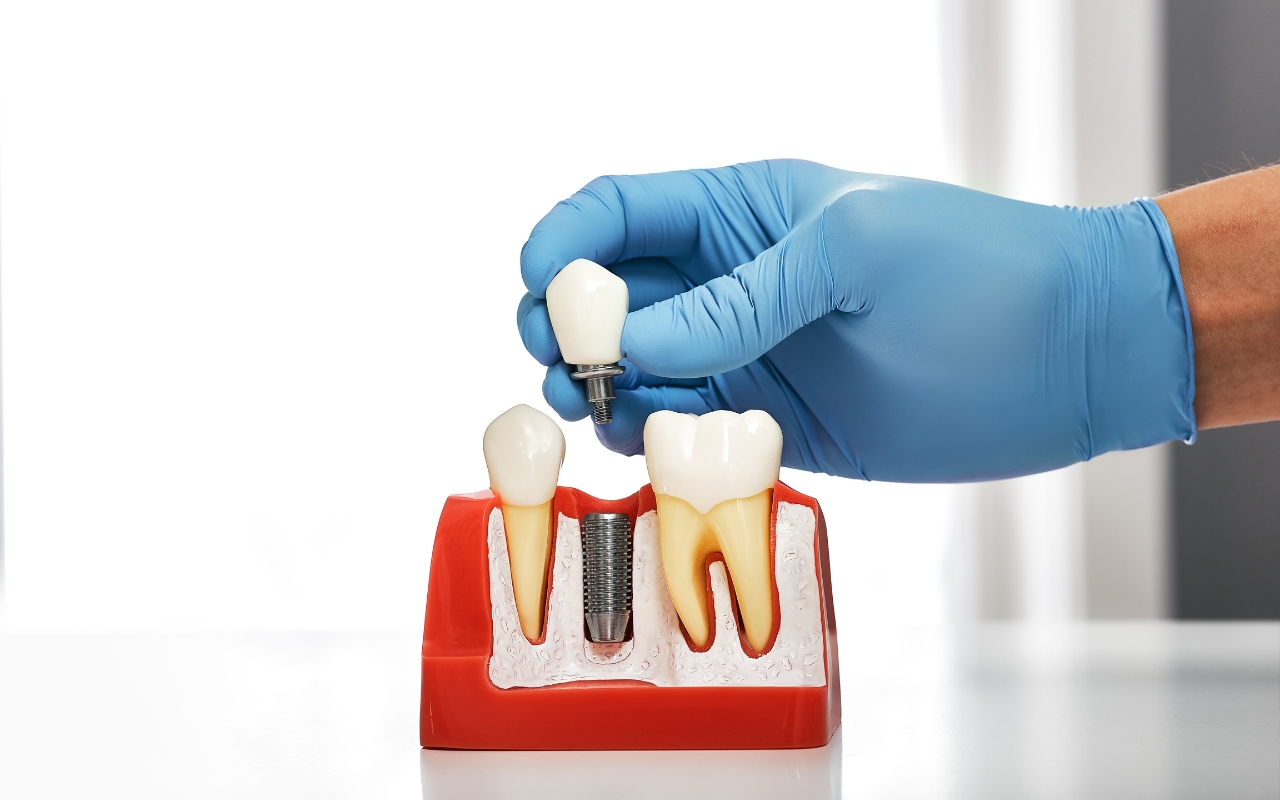
When you pay for dental implants in Glendale or anywhere else, you’re not just buying a fake tooth. You’re getting a complete tooth replacement system that includes a titanium post surgically placed into your jawbone, an abutment that connects everything, and a custom-made crown.
Think of it like buying a house versus renting an apartment. The house costs more upfront, but you own it. Renting seems cheaper month to month, but you’re paying forever without building anything lasting.
Traditional options like bridges or dentures have lower starting prices. A bridge might cost $2,000 to $5,000 for a three-unit restoration. Dentures can range from $1,000 to $3,000 for a basic set. dental implants Glendale typically run between $3,000 and $6,000 per tooth, depending on your specific situation.
But here’s where the math gets interesting.
The Hidden Costs of “Cheaper” Options
Bridges seem like a good deal until you realize they need replacing every 7 to 10 years. Each time you replace a bridge, you’re paying that $2,000 to $5,000 again. Over 30 years, you might replace it three or four times. Suddenly, you’ve spent $8,000 to $20,000 on the same space where one implant would have lasted the entire time.
Dentures need even more attention. They don’t just wear out. Your jawbone actually shrinks when you’re missing teeth, which means your dentures stop fitting properly. You’ll need adjustments, relining, and eventually complete replacements every 5 to 8 years. Between the replacements and the adhesives you’ll buy monthly, the costs add up fast.
A patient at a local Glendale practice once calculated that she’d spent over $15,000 on dentures and related products over 20 years. She finally got implant-supported dentures and wished she’d done it from the start.
How Implants Protect Your Other Teeth
Here’s something most people don’t realize: when you lose a tooth, it affects your other teeth too. They start shifting to fill the gap. This creates bite problems, makes cleaning harder, and can lead to more tooth loss down the road.
A traditional bridge requires grinding down the two healthy teeth on either side of the gap. You’re destroying good tooth structure to replace the missing one. Those supporting teeth become more vulnerable to decay and often need their own treatment later. Some studies show that within 10 years, there’s a decent chance you’ll need root canals or crowns on those supporting teeth.
Dental implants stand alone. They don’t touch your other teeth. In fact, they help keep everything in its proper place by filling the gap and preventing that shifting problem.
The Bone Loss Factor Nobody Talks About
When you lose a tooth, you also lose the root. That root was doing an important job: every time you chewed, it sent signals to your jawbone that said “we’re still using you, stick around.” Without that root, your bone starts to disappear. This process, called resorption, happens gradually but it’s permanent.
Bridges and dentures sit on top of your gums. They do nothing to stop bone loss. Over time, this changes the shape of your face. You might notice your lips looking thinner, more wrinkles around your mouth, or that “sunken” look that makes people appear older than they are.
Implants are the only option that replaces the root. The titanium post fuses with your bone and keeps it active and healthy. You’re not just saving your smile. You’re maintaining the structure of your face and jaw. Many Glendale residents who’ve dealt with this issue mention that keeping their facial structure was worth the investment alone.
What About Maintenance Costs?
Let’s talk about upkeep. Dentures need adhesives, special cleaning solutions, and professional adjustments. If you wear dentures for 20 years, you’ll spend thousands on these supplies alone. One tube of decent adhesive costs around $8 and lasts maybe two weeks. That’s over $400 per year just on glue.
Bridges create cleaning challenges. You need special flossers to get under them. Food gets trapped more easily, which means more frequent dental visits to address problems.
Implants? You brush and floss them like regular teeth. Yes, you still need regular dental checkups, but you’re not buying special products or dealing with complicated cleaning routines. Your six-month cleaning at your local dentist near me covers your implants just like it covers your natural teeth.
The Real-World Numbers Over Time
Let’s put actual numbers to this. Say you’re 45 years old and need to replace one tooth.
Bridge option: $4,000 initial cost, replaced at years 10, 20, and 30. That’s $16,000 total, plus any work needed on the supporting teeth.
Denture option (if multiple teeth): $2,500 initial cost, replaced every 7 years (let’s say 4 times over 30 years), plus adhesives at $400 yearly. That’s $22,000 total.
Implant option: $4,500 one-time cost. With proper care, it lasts 30+ years. Total: $4,500.
The difference is striking. And we haven’t even added in the cost of fixing problems that often come with bridges and dentures.
Insurance and Payment Options
Yes, dental insurance often covers less of implant treatment than other options. This makes the upfront cost feel even bigger. But many dental practices, including several dental implants Glendale providers, offer payment plans that spread the cost over time.
Some offices work with financing companies that offer low or zero interest if you pay within a set period. Others have in-house payment plans. The key is asking about your options during your consultation.
Also, check if your insurance has a yearly maximum. Sometimes you can split treatment across two calendar years to maximize your benefits.
Quality of Life Matters Too
We’ve focused on money, but there’s another cost to consider: how you live your life. Can you eat what you want? Do you worry about your teeth when you smile or laugh? Are you avoiding certain foods or social situations?
People with implants report eating whatever they want without worry. They don’t think about their teeth falling out during an important meeting. They don’t spend time each night removing and cleaning dentures.
One local teacher mentioned that she stopped avoiding the staff lunchroom after getting implants. She’d been skipping social meals for years because her partial denture made eating difficult and embarrassing. That quality of life improvement doesn’t show up on a cost breakdown, but it matters.
Finding the Right Provider
Not all implant treatment is created equal. The skill and experience of your dental team directly affects your results. When you’re searching for options, look for providers who:
- Have specific training in implant dentistry
- Use modern technology like 3D imaging
- Show you before and after photos of actual patients
- Explain all your options clearly
- Answer your questions without rushing
Glendale has several excellent dental practices with implant experience. Take time to visit a few and see where you feel most comfortable. This is a big decision, and you deserve to work with someone you trust.
Making Your Decision
Here’s the bottom line: dental implants cost more upfront because they’re built to last a lifetime. You’re paying once for something that solves the problem permanently, protects your remaining teeth, preserves your jawbone, and lets you live without constantly thinking about your teeth.
Cheaper options cost less today but more tomorrow. And the day after that. And for years to come.
Think about your own situation. How old are you? How many years will you need this solution? What’s your overall oral health like? The younger you are and the longer you expect to need tooth replacement, the more sense implants make financially.
Read More: Am I a Good Candidate for Dental Implants?
Frequently Asked Questions
1. How long do dental implants actually last?
With proper care and regular dental visits, implants can last 25 years or longer. Many last a lifetime. The crown on top might need replacement after 10 to 15 years, but the implant itself typically stays put.
2. Does getting implants hurt?
Most people say the procedure is easier than they expected. You’ll have local anesthesia during treatment, and many offices offer sedation options. After the procedure, over-the-counter pain medication usually handles any discomfort.
3. Can anyone get dental implants?
Most people are good candidates, but you need enough healthy jawbone and good overall health. Conditions like uncontrolled diabetes or heavy smoking can affect success rates. A thorough exam will determine if implants work for you.
4. How long does the whole process take?
From start to finish, expect 3 to 6 months for a single implant. This includes healing time for the bone to fuse with the implant. Some cases can be faster with immediate loading techniques.
5. What if I don’t have enough bone?
Bone grafting can build up areas that have lost too much bone. This adds time and cost to treatment, but it makes implants possible for many people who wouldn’t otherwise qualify.
6. Will my insurance cover any of the cost?
Many insurance plans cover at least part of implant treatment now. Coverage varies widely, so check your specific plan. Even partial coverage helps reduce your out-of-pocket cost.
7. What happens if an implant fails?
Implant failure is rare (success rates run around 95%), but it can happen. Most failures occur in the first few months. If yours fails, your dentist can often place a new implant once the area heals.
8. Are there financing options available?
Most dental practices offer payment plans or work with healthcare financing companies. Many patients finance their treatment over 12 to 24 months, making the monthly cost manageable.
Conclusion
You now understand why dental implants represent a smart long-term investment despite the higher starting price. The question isn’t really whether you can afford implants. It’s whether you can afford to keep paying for temporary solutions year after year. Your smile affects how you eat, speak, work, and connect with others. It’s worth protecting with the most durable solution available.
Ready to learn more about your specific situation? Schedule a consultation with a qualified specialist implant dentist near me. They’ll examine your mouth, discuss your options, and give you exact costs based on your needs. Most consultations are free or low-cost, and there’s no pressure to commit.
Whether you’re looking into dental implants Glendale has to offer or exploring options elsewhere, start with that conversation. You deserve to know all your choices and make the decision that’s right for your health and your budget. Your future self will thank you for taking this step today.