A loose adult tooth is not something to wait on. Here is what you need to know, and why timing matters more than you think.
If you have ever felt one of your teeth shift or wiggle, your first instinct might be to ignore it and hope it settles down. That is a natural reaction. But adult teeth are not supposed to move. When one does, something has already gone wrong beneath the surface.
People across Glendale deal with this situation regularly, whether it happened after a fall, a sports injury, or they simply noticed it while eating. The right move, no matter the cause, is always the same: get to a dentist in Glendale as soon as you can. The sooner you act, the better your chances of keeping the tooth.
Why Adult Teeth Become Loose
Adult teeth are built to last a lifetime. When one becomes loose, it means the structure holding it in place has been damaged or weakened. There are three main reasons this happens.
Gum Disease When bacteria build up under the gum line over time, they slowly destroy the bone and tissue that anchor your teeth. The tooth starts to shift as that support breaks down. This is the most common cause of loose teeth in adults.
Injury or Trauma A hit to the face, a fall, or biting down hard on something unexpected can loosen a tooth right away. Even if the tooth looks fine on the outside, the root and surrounding tissue may be damaged in ways you cannot see.
Bone Loss and Other Health Factors Teeth grinding over time, conditions like diabetes or osteoporosis, and long-term poor oral hygiene can all weaken the structures that hold teeth in place. When that foundation breaks down, teeth lose their stability.
None of these causes will resolve on their own. The tooth will not tighten back up without professional care.
What Happens If You Wait Too Long
Putting off a dental visit when a tooth feels loose can turn a manageable problem into a much bigger one.
You Risk Losing the Tooth Once a natural tooth is gone, your options become more complex and more costly. Implants, bridges, and partial dentures take more time, more visits, and more money than treating a loose tooth early.
Infection Can Spread If gum disease is behind the problem, waiting gives bacteria more time to reach nearby teeth and the jaw bone. In some cases, dental infections can develop into serious health concerns that go well beyond the mouth.
The Bone Continues to Shrink The jaw bone starts to deteriorate when it no longer has a tooth to support. This affects the shape of your face over time and makes any future dental work significantly harder to carry out.
Many people in Glendale search for a dentist near me only when the pain becomes too much to ignore. By that point, the options are often more limited. Early action is always the smarter path.
The Window of Time That Matters Most
When a tooth is knocked loose by an injury, there is a short window in which a dentist can stabilize it and prevent further damage. For a tooth that has been completely knocked out, that window is roughly 30 to 60 minutes before the chance of saving it drops significantly.
Even for teeth that are still in the socket but moving, acting within a day or two gives the dental team the best chance to splint the tooth, treat the surrounding tissue, and stop the damage from spreading further. This is why many dental offices in the Glendale area keep same-day or emergency appointment slots open. If you feel a tooth moving, call right away. Do not wait until next week.
What to Do Before You See the Dentist
While you wait for your appointment, a few simple steps can help protect the tooth.
Avoid touching or wiggling it. Moving the tooth around makes the situation worse. Keep your tongue and fingers away from it. Eat soft foods only and stay away from anything hard, crunchy, or sticky. Rinse gently with salt water to help reduce bacteria and keep the area clean, but do not swish hard.
If the tooth was knocked completely out, keep it moist. Place it in a glass of milk or hold it gently between your cheek and gum if it is safe to do so. Do not scrub it or let it dry out.
These steps are not a fix. They are simply a way to protect the tooth until you can get professional care.
How a Dentist Can Help
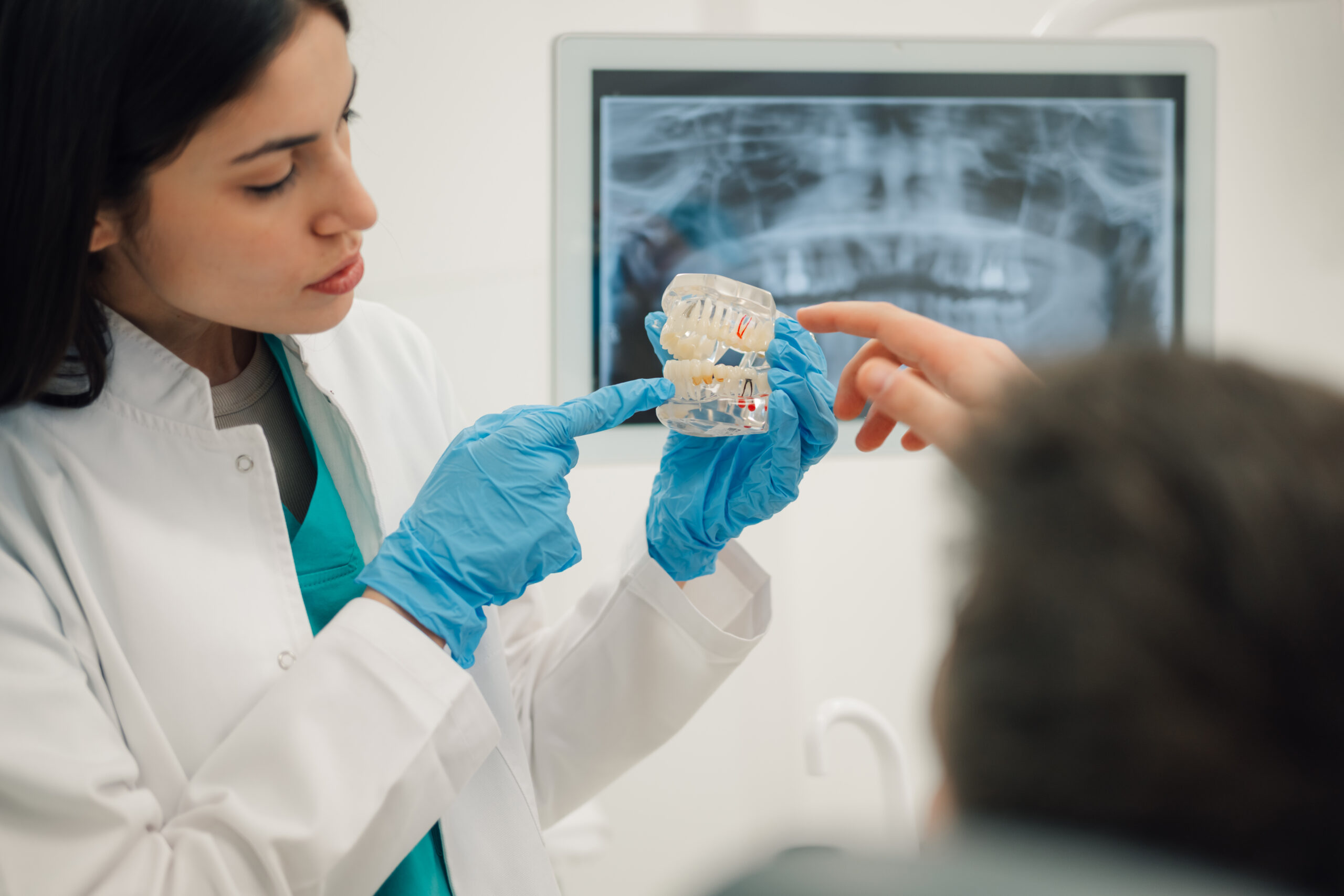
When you visit a dentist in Glendale for a loose tooth, the process starts with a full exam, including X-rays to check the bone and root, and a close look at the gum tissue.
For Gum Disease A deep cleaning called scaling and root planing removes the bacteria below the gum line and gives the tissue a chance to heal. Follow-up care and better daily habits help keep the problem from coming back.
For Trauma The tooth may be splinted to the teeth beside it to hold it steady while it stabilizes. In more serious cases, additional steps may be needed to address infection or significant bone loss.
The goal is always to save the natural tooth when possible. Natural teeth function better, feel more natural, and support long-term oral health far better than any replacement.
Dental Care in Glendale: What Local Residents Should Know
Glendale, California is a large, busy city with a diverse population and an active community. With so many people living, working, and commuting through the area, dental concerns like loose teeth from sports injuries, stress-related grinding, and gum problems tied to busy schedules are all common here.
If you are searching for nearby local dentists in the Glendale area, look for an office that offers emergency appointments and has experience handling both trauma-related and gum disease-related tooth concerns. Getting to the right dental team quickly makes a real difference in what can be saved.
Conclusion: Do Not Wait on a Loose Tooth
A loose tooth in an adult is always worth getting checked right away. The earlier you act, the better your chances of keeping the tooth and avoiding more serious problems down the road.
Whether the cause is gum disease, an injury, or something else, a dental team can find the issue, explain your options clearly, and help you move forward with a solid plan.
If you or a family member has a tooth that feels loose, do not put it off. Schedule a consultation with a dentist in Glendale or your local dentist near me today and take the first step toward protecting your smile. Your natural teeth are worth saving, and the sooner you call, the better.
Frequently Asked Questions
1. Can a loose adult tooth tighten back up on its own?
No. Adult teeth cannot re-anchor themselves without treatment. If a tooth is loose, the supporting tissue or bone has been damaged. A dentist needs to treat the underlying cause before the tooth can be stabilized.
2. How quickly do I need to see a dentist for a loose tooth?
As soon as possible. If the tooth was loosened by an injury, try to get seen the same day. If it has been gradually loosening over time, call right away and aim to get in within one to two days. The sooner you go, the more options you have.
3. Will a loose tooth always hurt?
Not always. Some loose teeth cause noticeable pain, while others shift without much discomfort at all. The absence of pain does not mean the situation is fine. Get it checked either way.
4. What is the difference between a loose tooth from trauma and one from gum disease?
Trauma-related looseness usually happens suddenly after an impact or injury. Gum disease-related looseness tends to develop slowly over months or years. Both need dental care, but the treatment approach is different. Your dentist will examine the tooth and gums to determine the cause first.
5. Can gum disease cause more than one tooth to become loose?
Yes. Advanced gum disease can affect the entire mouth. If it progresses far enough, several teeth can loosen at the same time. Early treatment can stop the damage from spreading further.
6. What if I cannot afford treatment right away?
Talk to the dental office about payment options. Many practices offer payment plans or accept insurance that covers emergency and gum disease care. Waiting for cost reasons often leads to more expensive treatment later. It is worth a call to ask what is available.
7. Is it okay to try to push a loose tooth back into place at home?
You should not force a tooth back on your own. If a tooth has been knocked completely out, you can try placing it gently back in the socket while heading to the dentist, but do not force it. For a tooth still in the mouth but loose, leave it alone and contact a dentist near me in your area right away.
8. What can I expect after a loose tooth is treated?
Recovery depends on the type of treatment. If the tooth was splinted, you will need to eat soft foods and follow specific care instructions while it heals. If gum disease was treated, regular follow-up cleanings and consistent daily hygiene will be key. Your dentist will walk you through the full recovery plan.