Tooth loss can affect more than just your appearance—it can impact how you chew, speak, and even how you feel about yourself. Fortunately, modern dentistry offers a reliable and long-lasting solution: dental implants. Whether you’re missing a single tooth or need a full-mouth restoration, dental implants are widely considered the gold standard in tooth replacement.
This blog covers everything you need to know about dental implants, including how they work, their benefits, the treatment process, and what to expect in terms of cost and maintenance.
What Are Dental Implants?
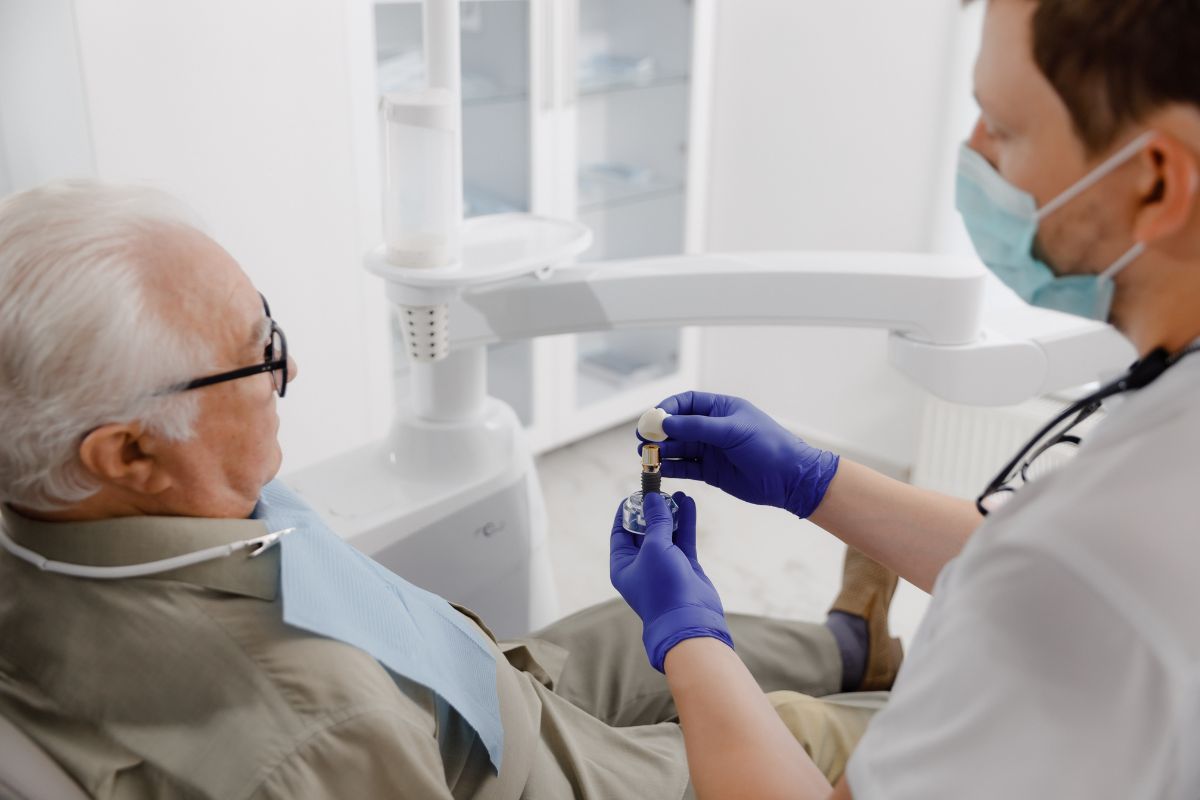
Dental implants are small titanium posts that are surgically placed into your jawbone to act as artificial tooth roots. These implants support custom-made crowns, bridges, or dentures that look and function like natural teeth. Because they fuse with the jawbone over time—a process called osseointegration—implants become a permanent part of your oral structure.
Unlike dentures or traditional bridges, dental implants don’t rely on neighboring teeth for support. This makes them a durable, standalone solution that preserves the integrity of your jawbone and surrounding teeth.
Why Choose Dental Implants?
Dental implants offer a range of benefits that go beyond aesthetics. Some of the most compelling advantages include:
- Longevity: With proper care, implants can last 20 years or more.
- Natural Look and Feel: Implants mimic the look, feel, and function of natural teeth.
- Bone Preservation: By stimulating the jawbone, implants prevent bone loss that often occurs after tooth loss.
- Improved Speech and Eating: Unlike dentures, implants won’t slip, allowing for more comfortable speech and eating.
- No Impact on Neighboring Teeth: Unlike bridges, implants don’t require grinding down adjacent teeth.
For patients considering dental implants in Glendale, it’s important to consult with an experienced dental provider who can determine if implants are the right choice for your unique needs.
Who Is a Candidate for Dental Implants?
Most adults who are in good general health and have healthy gums and sufficient bone density in the jaw are ideal candidates for dental implants. However, certain conditions may affect eligibility, such as:
- Chronic health issues like uncontrolled diabetes or heart disease
- Smoking, which can interfere with healing and osseointegration
- Advanced bone loss, which may require bone grafting before implant placement
If you’re not an immediate candidate, don’t worry. Many patients can become eligible with preparatory treatments like bone grafts, sinus lifts, or periodontal therapy.
The Dental Implant Procedure: Step-by-Step
- Initial Consultation: Your dentist will evaluate your oral health, take X-rays or 3D scans, and develop a personalized treatment plan.
- Implant Placement: The implant post is surgically placed into the jawbone under local anesthesia. Healing time can vary but typically takes 3–6 months.
- Abutment Placement: Once the implant has integrated with the bone, an abutment (connector piece) is placed to support the final restoration.
- Crown or Restoration: A custom crown, bridge, or denture is fabricated to match your natural teeth and attached to the abutment.
While the process can take several months, the result is a strong, stable, and natural-looking replacement that feels just like your own teeth.
Types of Dental Implants
Dental implants can be tailored to fit a variety of needs:
- Single-Tooth Implant: Ideal for replacing one missing tooth.
- Implant-Supported Bridge: Used when several teeth are missing in a row.
- Implant-Supported Denture: Replaces a full arch of teeth and offers more stability than traditional dentures.
- All-on-4® or All-on-X Systems: A full-arch solution supported by as few as four strategically placed implants.
Your dentist will help you decide which option is best based on your oral health, lifestyle, and treatment goals.
How to Care for Your Implants
Dental implants are low-maintenance, but they still require good oral hygiene to remain healthy and functional. Here are a few care tips:
- Brush twice a day with a soft-bristled toothbrush
- Floss daily using floss designed for implants or a water flosser
- Visit your dentist regularly for cleanings and checkups
- Avoid chewing on hard objects like ice or pens
Following these steps will help ensure your implants last for many years without complications.
Cost of Dental Implants
Dental implants are an investment in your long-term oral health. While costs vary depending on the number of implants and any additional procedures needed (like bone grafting), they are generally more cost-effective over time than other options that may need to be replaced or adjusted more frequently.
Some dental insurance plans may cover part of the cost, and many dental offices offer financing plans to make treatment more accessible. Be sure to ask your provider about available options.
Risks and Considerations
While dental implants have a success rate of over 95%, like any surgical procedure, they do carry some risks. These may include:
- Infection at the implant site
- Nerve damage
- Implant failure (rare, especially with proper care)
- Sinus problems (in cases involving upper jaw implants)
Choosing a skilled and experienced implant dentist greatly reduces the risk of complications and improves long-term success.
Is It Time to Restore Your Smile?
Dental implants are more than just a cosmetic solution—they offer a complete functional restoration that enhances your quality of life. If you’re tired of dealing with uncomfortable dentures, struggling with eating or speaking, or simply want to feel confident about your smile again, implants might be the perfect option for you.
If you’re ready to take the next step, schedule an appointment today with a trusted implant provider who can assess your needs and walk you through the process. The sooner you start, the sooner you’ll enjoy the benefits of a beautiful, fully functional smile.
Dental implants have revolutionized the way we approach tooth replacement. They provide a stable, long-lasting, and natural-looking solution that can improve your oral health and restore your confidence. From single-tooth replacement to full-mouth restoration, implants offer unmatched benefits in durability, appearance, and comfort.
Whether you’re just beginning to explore your options or you’re ready to move forward with treatment, learning everything you can about dental implants is the first step to a better smile. If you’re considering dental implants, talk to a local dental professional who can help determine the best path forward for your unique needs.