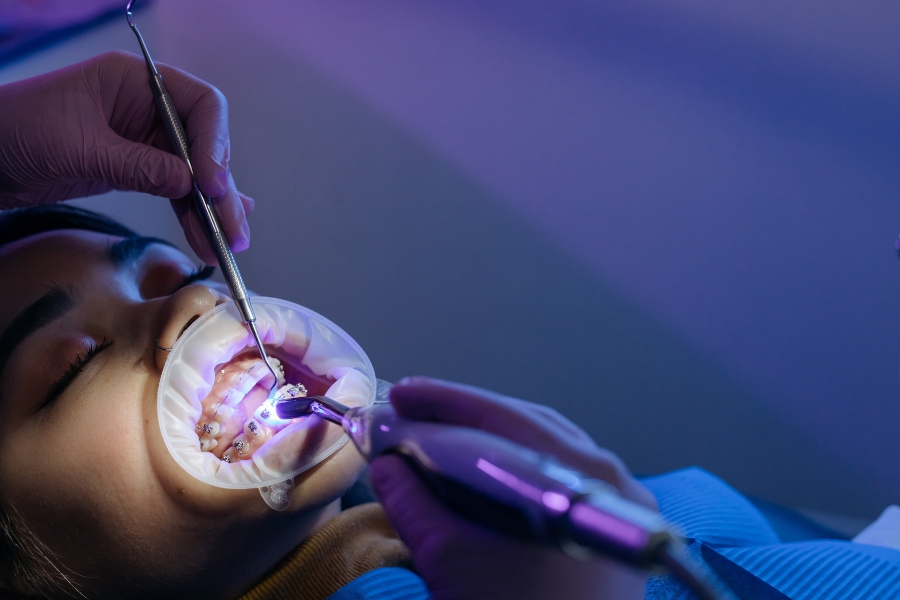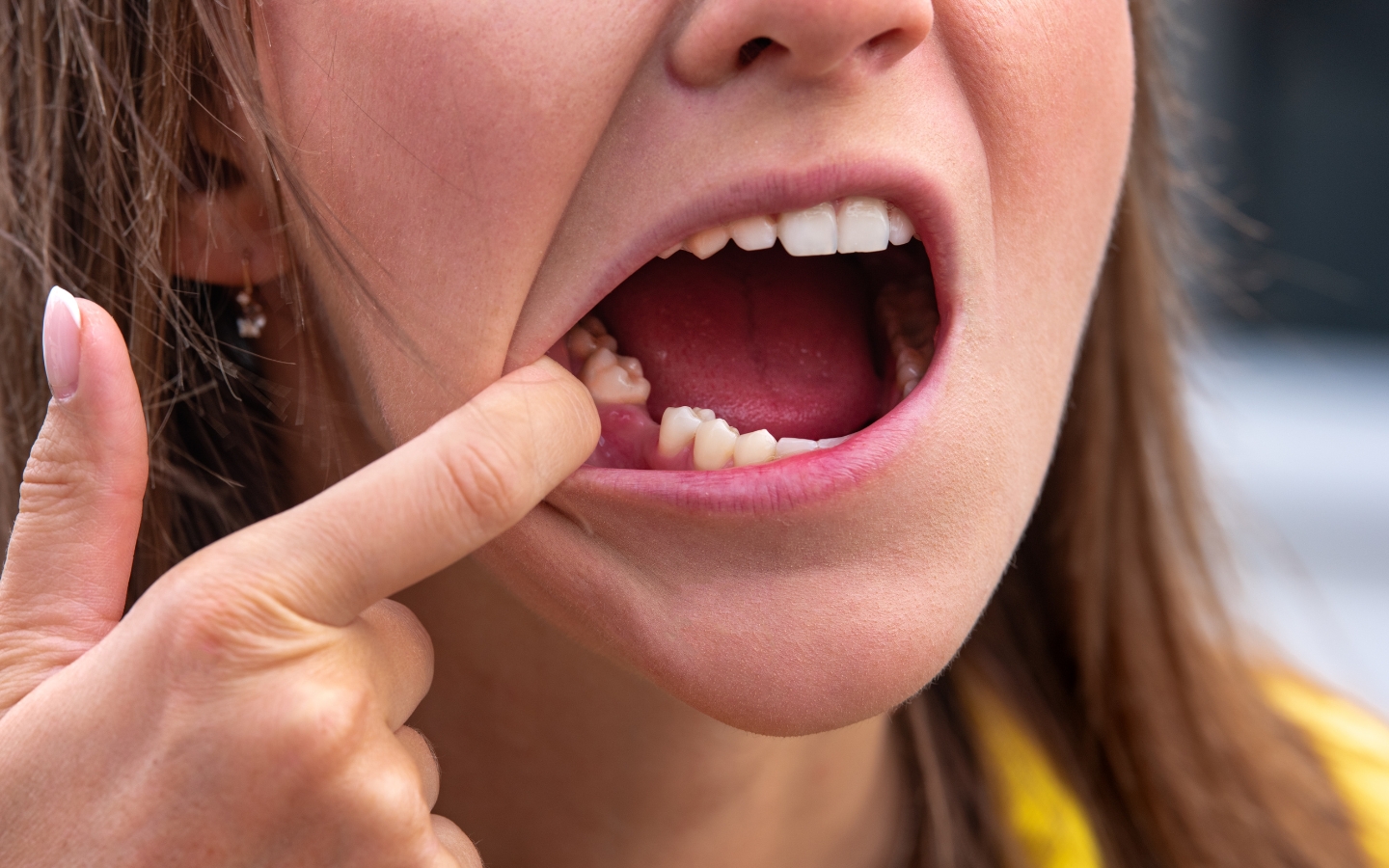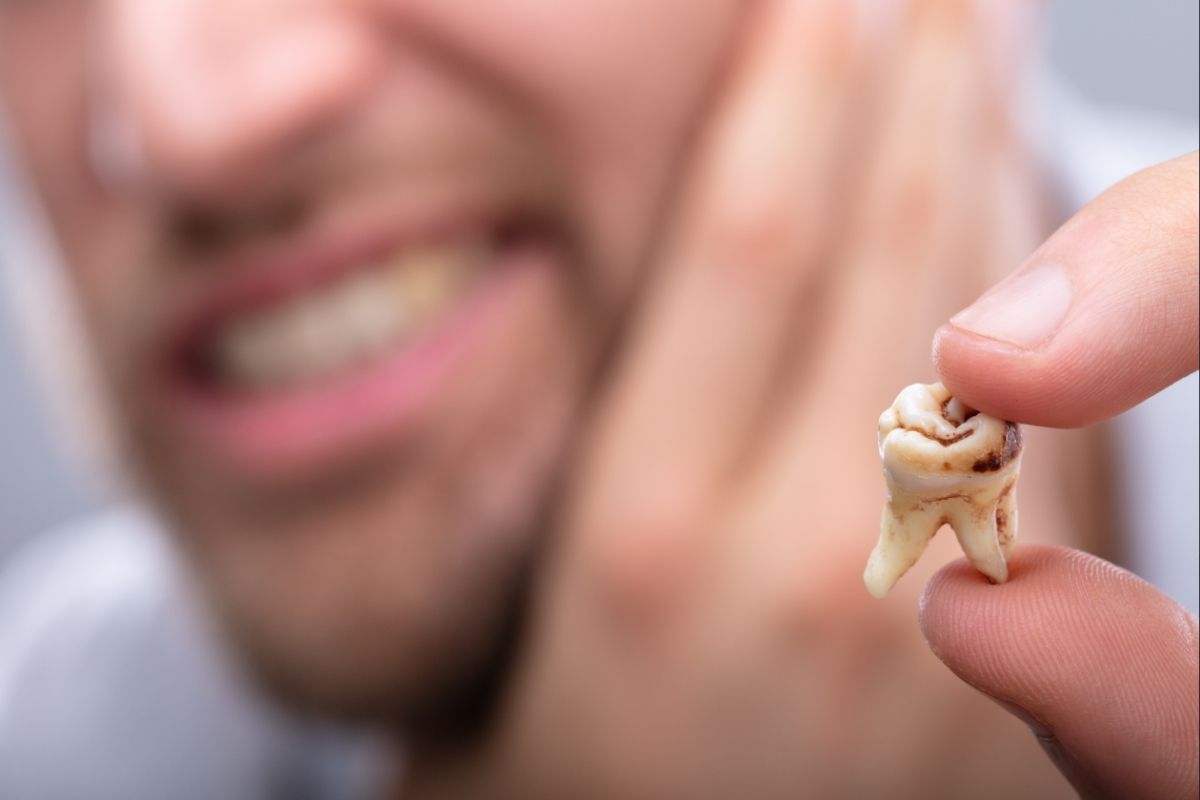
Getting a temporary tooth replacement is an important step toward restoring your smile. Whether you’re waiting for a crown, bridge, or dental implant, this temporary solution protects your mouth and keeps you looking your best. But proper care is key to avoiding problems down the road.
In this comprehensive guide, we’ll explore what temporary tooth replacements are, why aftercare matters, and the most effective maintenance tips dentists recommend to ensure your temporary solution lasts and performs its job well.
What Is a Temporary Tooth Replacement?
A temporary tooth replacement fills the gap left by a missing tooth while you wait for your permanent solution. These are usually made from acrylic or resin materials and custom-fitted to your mouth.
You might need one after:
- Tooth removal
- Root canal treatment
- Getting ready for a crown or bridge
- During the healing phase after dental implants in Glendale
The main job of a temporary tooth is simple: protect the healing area, stop other teeth from shifting, and help you eat and speak normally.
Types of Temporary Replacements
Temporary Crowns or Bridges: These cover prepared teeth and stay in place until your permanent restoration is ready.
Flipper Teeth: A lightweight, removable piece that snaps in and out. It’s affordable and works well for short-term use.
Essix Retainers: Clear retainers with a fake tooth built in. They’re nearly invisible and great for front teeth.
Temporary Dentures: Used when several teeth are missing while you plan for a permanent fix.
Essential Care Tips from Dentists
1. Watch What You Eat
Temporary teeth are more delicate than permanent ones. Hard foods like nuts, popcorn, or crusty bread can crack them. Sticky foods like caramel or gum can pull them loose.
Stick to soft foods like eggs, yogurt, mashed potatoes, and soup, especially in the first few days.
2. Chew on the Other Side
If your temporary is on the left, chew on the right side. This takes pressure off the temporary and helps prevent damage.
3. Clean Gently but Thoroughly
Brush twice a day with a soft toothbrush. Be extra careful around the temporary tooth and gum line. If you have a flipper, clean it with a denture brush and mild soap (not toothpaste, which can scratch it).
When flossing, pull the floss out to the side instead of up. This prevents accidentally popping off the temporary.
4. Never Use Your Teeth as Tools
Don’t bite packages, open bottles, or tear tape. Even habits like nail-biting can damage your temporary tooth.
5. Remove It at Night If Possible
Many temporary replacements should come out while you sleep. This gives your gums a break and reduces bacterial buildup. Check with your dentist in Glendale for specific instructions.
Special Care During Implant Healing
If you’re getting dental implants in Glendale, your temporary tooth plays a big role during the healing process. The implant needs several months to bond with your jawbone. Your temporary protects the area and keeps your smile looking natural.
Follow these extra tips:
- Be especially gentle when brushing near the implant site
- Avoid putting any pressure on the temporary
- Attend all follow-up visits to make sure healing is on track
When to Call Your Dentist
Contact your dentist in Glendale right away if you notice:
- The temporary feels loose or wiggly
- Cracks, chips, or breaks
- Ongoing soreness around the gums
- Bad taste or smell (could mean infection)
- The temporary falls out completely
Don’t try to fix it yourself with superglue or home remedies. Your dentist can properly reattach it and check for any issues.
Keep Up with Appointments
Regular check-ups matter more than you think. Your dentist needs to:
- Make sure the temporary still fits well
- Check how your mouth is healing
- Take impressions for your permanent tooth
Missing appointments can lead to problems that delay your final restoration.
The Transition to Your Permanent Tooth
Eventually, you’ll get your permanent crown, bridge, or implant crown. This switch is usually quick and comfortable if you’ve taken good care of your temporary.
Don’t be tempted to keep using the temporary longer than planned. It’s not built to last and can lead to decay or gum problems.
Read More: How to Care for Your Home After Dental Implant Surgery?
Frequently Asked Questions
1. How long do temporary teeth last?
Usually 3 to 6 months, depending on your treatment plan. Your dentist will tell you the exact timeline.
2. Can I eat normally with a temporary tooth?
You can eat, but stick to softer foods and chew on the opposite side. Avoid anything hard, sticky, or chewy.
3. What if my temporary falls off?
Call your dentist immediately. If it’s after hours and you need it for appearance, you can use denture adhesive (like Fixodent) temporarily, but get it professionally reattached as soon as possible.
4. Will my temporary tooth look natural?
Temporary teeth are designed to look similar to your natural teeth, but they won’t be a perfect match. Your permanent restoration will look much better.
5. Do I need to clean my temporary tooth differently?
Yes. Be gentle when brushing and always pull floss out to the side, not up. Remove it for cleaning if it’s a flipper or retainer.
6. Can temporary teeth cause sensitivity?
Some sensitivity is normal, especially to hot or cold. If it lasts more than a few days or gets worse, call your dentist.
Protect Your Smile Every Step
Taking care of your temporary tooth might seem like extra work, but it makes a big difference. By eating the right foods, keeping it clean, and showing up for appointments, you’re setting yourself up for a successful final result.
If you’re dealing with tooth loss or considering dental implants in Glendale, don’t wait to get help. The sooner you address the problem, the better your outcome will be.
Ready to take the next step? Book a consultation or schedule an appointment with your local dentist in Glendale today. If you’re facing any dental concerns, contact a local family dental clinic at your place for expert guidance. Our team is here to make your journey to a healthy, beautiful smile as smooth as possible.