Patients with severe upper jaw bone loss often face limited options for tooth replacement. Traditional dental implants require adequate bone density, which many patients lack after years of tooth loss or periodontal disease. Zygomatic dental implants offer a breakthrough alternative that bypasses these limitations entirely.
This specialized treatment anchors implants in the cheekbone rather than the jaw, opening new possibilities for patients previously considered unsuitable for implant therapy. Understanding this technique helps healthcare providers offer better solutions to challenging cases.
The Challenge of Upper Jaw Bone Loss
Upper jaw bone naturally diminishes after tooth extraction through a process called resorption. The alveolar bone that once supported teeth gradually disappears, leaving insufficient structure for conventional implant placement.
Multiple factors accelerate this bone loss:
- Extended periods of edentulism
- Untreated periodontal disease
- Trauma or infection
- Age-related bone density changes
- Certain systemic medications
When bone height drops below 4-5mm or becomes too porous, standard implant protocols become unreliable. Traditional solutions involve lengthy bone reconstruction procedures that may take 12-18 months before final restoration.
Understanding Zygomatic Implant Technology
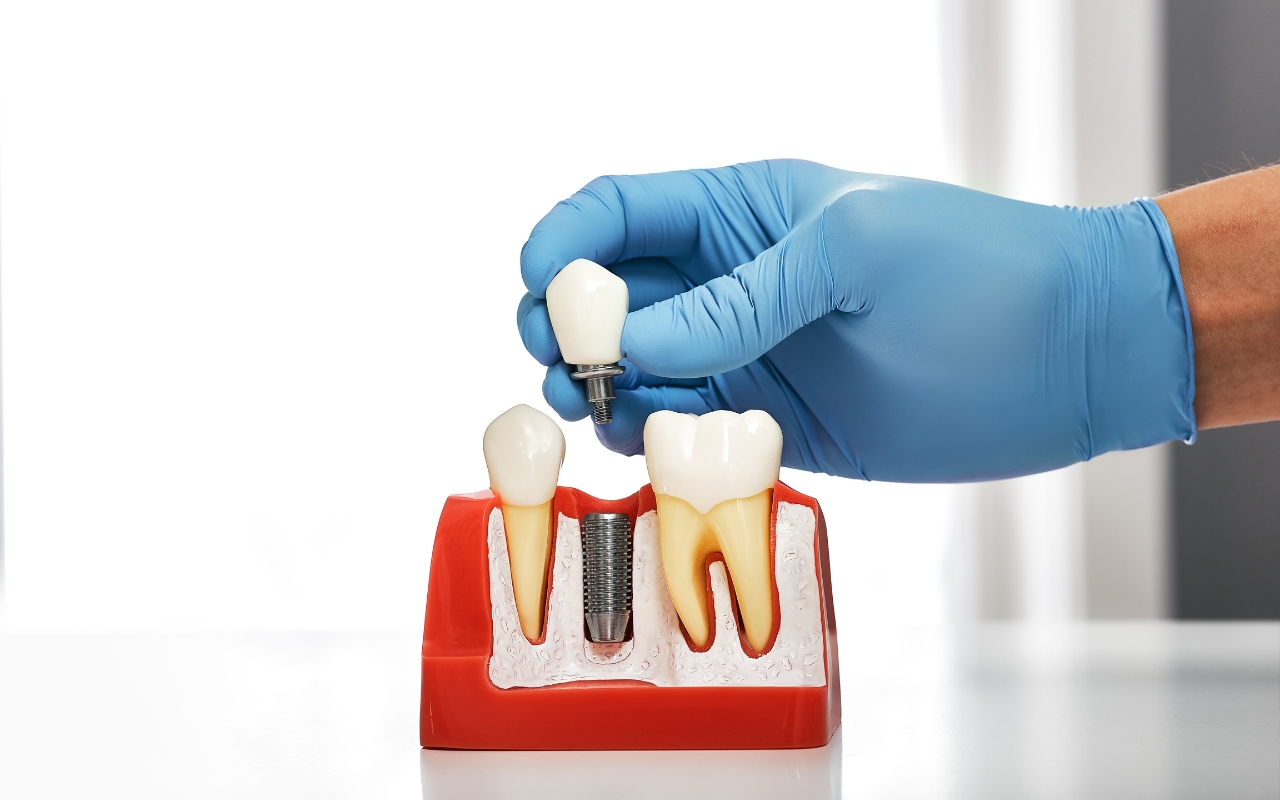
Zygomatic implants represent a paradigm shift in treating severe maxillary atrophy. These titanium fixtures, measuring 30-52mm in length, bypass compromised alveolar bone entirely by anchoring into the zygoma.
The zygomatic bone offers several advantages:
- Dense cortical structure that rarely resorbs
- Excellent primary stability for immediate loading
- Predictable anatomy across patient populations
- Strong anchorage for full-arch prosthetics
Dr. Per-Ingvar Brånemark pioneered this technique in the 1980s for cancer patients requiring maxillary reconstruction. The American Association of Oral and Maxillofacial Surgeons now recognizes this as a standard treatment option for patients with severe bone loss.
Clinical Advantages and Outcomes
Elimination of Grafting Procedures
Traditional bone augmentation requires harvesting autogenous bone from the hip, chin, or other donor sites. These procedures add surgical morbidity, extend treatment time, and increase costs significantly. Zygomatic implants eliminate grafting entirely.
Immediate Function Protocols
Most patients receive provisional prosthetics on the day of implant placement. This immediate loading approach reduces treatment phases and provides psychological benefits through restored facial support and speech clarity.
Documented Success Rates
Published studies report cumulative survival rates of 96-98% over 10-year periods. The latest comprehensive review from the International Team for Implantology shows 96.2% survival rates at 6.3 years. Complications occur in less than 5% of cases when proper surgical protocols are followed.
Reduced Treatment Timeline
Complete rehabilitation typically requires 4-6 months versus 12-24 months with grafting approaches. This efficiency benefits both patients and practice workflow while reducing overall treatment costs.
Patient Selection Criteria
Ideal candidates present with:
- Severe posterior maxillary bone resorption (Cawood-Howell Class V-VI)
- Adequate zygomatic bone volume confirmed by CBCT imaging
- Realistic expectations about surgical complexity
- Good systemic health for major oral surgery
- Commitment to long-term maintenance protocols
Contraindications include active maxillary pathology, inadequate zygoma dimensions, unrealistic patient expectations, or significant medical comorbidities affecting healing.
The dental implants Glendale specialists use advanced cone beam computed tomography to evaluate bone architecture and plan precise implant trajectories before surgery.
Surgical Technique Overview
Preoperative Planning
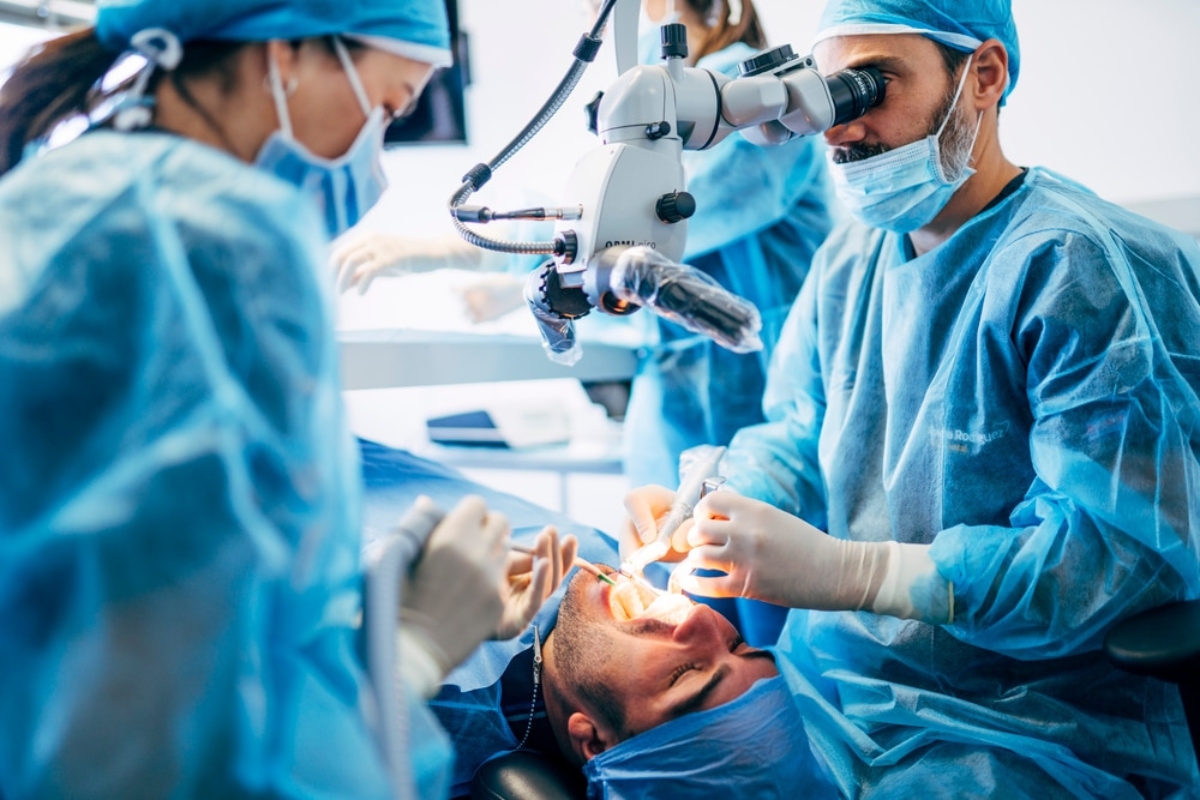
Three-dimensional imaging allows virtual implant placement and surgical guide fabrication. This planning phase determines optimal implant angulation to avoid vital structures while maximizing prosthetic emergence profiles.
Surgical Approach
Two primary techniques exist: the intrasinus approach passes through the maxillary sinus, while the extrasinus technique stays lateral to the sinus wall. Approach selection depends on anatomical factors and surgeon preference.
The procedure typically requires:
- General anesthesia or deep sedation
- 2-3 hour surgical time for bilateral placement
- Careful soft tissue management
- Immediate prosthetic delivery when indicated
Postoperative Management
Initial healing requires 10-14 days with appropriate pain management and antibiotic coverage. Soft diet restrictions continue for 6-8 weeks during osseointegration. Final prosthetic delivery occurs after 4-6 months.
Prosthetic Considerations
Zygomatic implants typically support full-arch fixed prostheses combined with conventional anterior implants. This hybrid approach provides optimal distribution of occlusal forces while maintaining acceptable emergence profiles.
Key prosthetic factors include:
- Screw-retained designs for retrievability
- Appropriate cantilever limitations
- Proper occlusal scheme development
- Materials selection for long-term durability
The Glendale dentist coordinates closely with specialized laboratory technicians familiar with zygomatic prosthetic requirements to ensure optimal outcomes.
Risk Assessment and Management
While generally safe, zygomatic implant surgery carries specific risks:
Intraoperative Complications
- Orbital floor perforation
- Infraorbital nerve injury
- Excessive bleeding
- Implant malposition
Postoperative Issues
- Sinusitis (most common complication)
- Soft tissue dehiscence
- Prosthetic complications
- Rare implant failure
Experienced surgeons report complication rates under 10%, with most issues being minor and manageable through conservative treatment.
Long-term Outcomes and Maintenance
Successful zygomatic implant patients demonstrate excellent long-term stability. Regular radiographic monitoring ensures early detection of any complications. Maintenance protocols include:
- Professional cleanings every 3-4 months
- Annual radiographic evaluation
- Prosthetic adjustments as needed
- Patient education on home care techniques
Studies show patient satisfaction rates exceeding 90% with improvements in nutrition, speech, social confidence, and overall quality of life.
Economic Considerations
Initial costs for zygomatic treatment often exceed conventional implant therapy. However, eliminating bone grafting procedures and reducing treatment time frequently results in comparable total investment. Insurance coverage varies, but medical necessity documentation may improve reimbursement rates.
The dental implants Glendale practices often provide financing options to make treatment accessible for appropriate candidates.
Comparing Treatment Modalities
| Approach | Timeline | Grafting Required | Success Rate | Immediate Function |
| Conventional Implants | 3-6 months | Sometimes | 95-98% | Limited |
| Sinus Lift + Implants | 9-12 months | Always | 90-95% | No |
| Zygomatic Implants | 4-6 months | Never | 96-98% | Usually |
Future Directions
Computer-guided surgery continues improving zygomatic implant precision and safety. Dynamic navigation systems provide real-time feedback during placement, reducing complications and improving outcomes. Tissue engineering approaches may eventually reduce the need for zygomatic implants, but current alternatives require years of additional research before clinical application.
Selecting Qualified Providers
Zygomatic implant success depends heavily on surgical expertise and experience. Providers should demonstrate:
- Formal training in zygomatic techniques
- Regular case volume maintaining skills
- Advanced imaging capabilities
- Team coordination between surgery and prosthetics
- Comprehensive patient education and informed consent
The Glendale dentist community includes several specialists with extensive zygomatic implant experience and proven track records of successful outcomes.
Patient Education and Expectations
Proper patient counseling addresses both benefits and limitations of zygomatic treatment. Patients should understand the surgical complexity, healing timeline, and maintenance requirements before proceeding.
Realistic expectations about prosthetic outcomes, including potential speech changes during adaptation, help ensure patient satisfaction. Most patients adapt within 4-6 weeks and report significant quality of life improvements.
Conclusion
Zygomatic dental implants offer a proven solution for patients with severe maxillary bone loss who cannot receive conventional implants. This technique eliminates lengthy bone grafting procedures while delivering 96-98% success rates and immediate function capabilities.
Success depends on proper patient selection and experienced surgical teams. When appropriately executed, zygomatic implants restore eating ability, speech clarity, and facial support for patients who previously had no viable options.
Contact a dental implants Glendale specialist today to explore treatment possibilities for challenging cases. Advanced planning and proven techniques can transform what seems impossible into achievable results for your patients.