Missing teeth create more problems than most people realize. Beyond the visible gap in your smile, your jawbone begins to shrink without the stimulation that tooth roots provide. This process, called bone resorption, can change your facial structure and make future dental work more difficult. Thankfully, modern implant dentistry offers a proven solution that protects your bone and restores your confidence.
Understanding the Connection Between Teeth and Bone Health
Your jawbone stays strong through constant use. Every time you chew, bite, or even speak, your tooth roots send signals to the surrounding bone. This stimulation tells your body to keep sending nutrients and maintaining bone density in that area.
When you lose a tooth, that stimulation stops. Your body assumes the bone is no longer needed and begins breaking it down. Studies show that within the first year after tooth loss, you can lose up to 25% of bone width in that area. The loss continues over time, which explains why people who’ve been missing teeth for years often have a sunken appearance around their mouth.
Why Dental Implants Stand Apart from Other Options
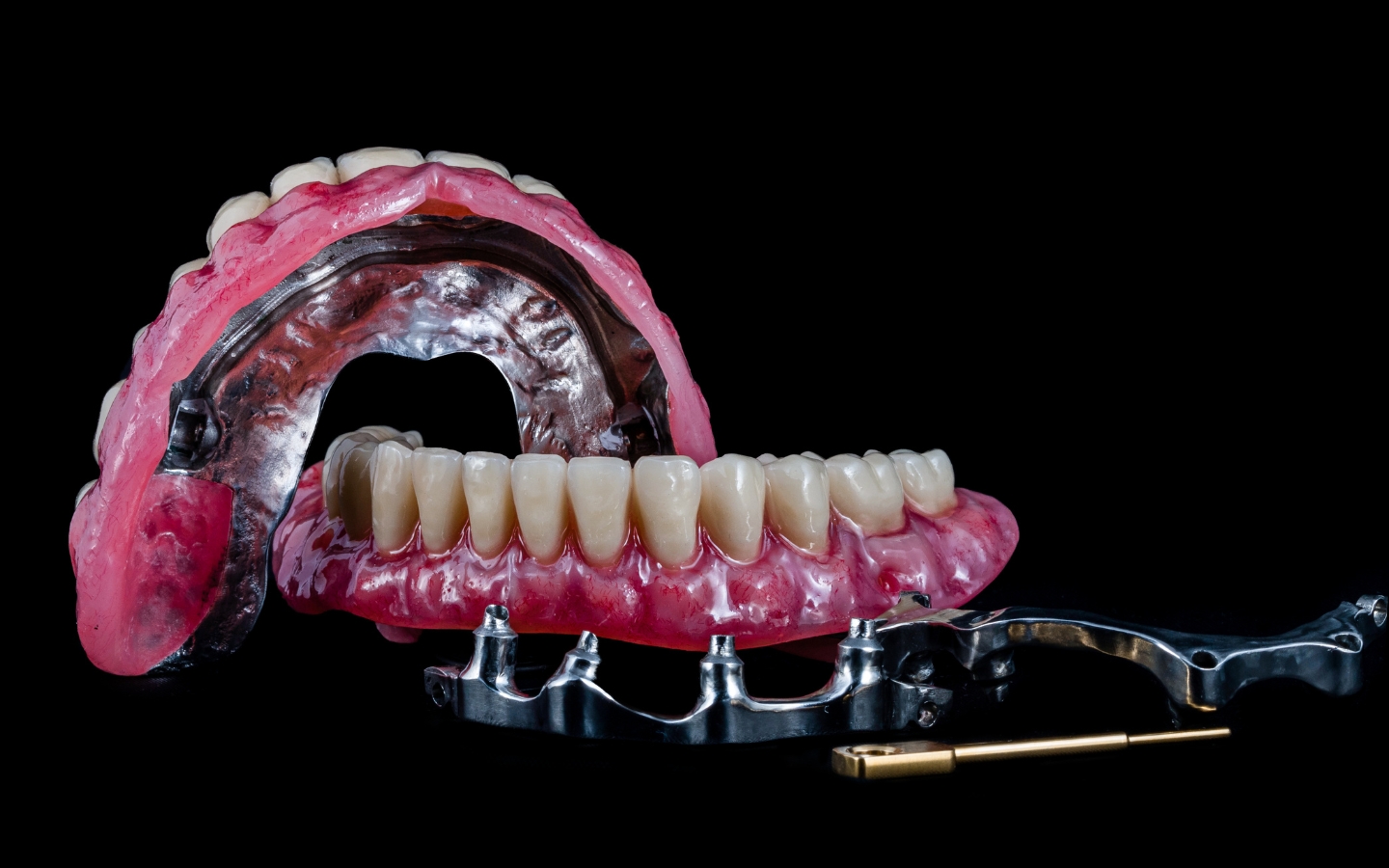
Traditional dentures and bridges sit on top of your gums. While they restore the visible part of your tooth, they don’t replace the root. This means your jawbone continues to shrink underneath them. Many denture wearers find their appliances become loose over time as their bone changes shape.
Dental implants work differently. A skilled dentist in Glendale places a titanium post directly into your jawbone, just like a natural root. Your bone gradually fuses with this post through a process called osseointegration. This fusion creates a stable foundation and, more importantly, gives your bone the stimulation it needs to stay healthy.
The Science Behind Bone Preservation
Research published in the Journal of Dental Research demonstrates that dental implants maintain bone volume long-term. The titanium post acts as an artificial root, transferring the forces of chewing directly to the bone. This mechanical loading signals your body to keep the bone strong and dense.
The benefits extend beyond the immediate implant site. When you can chew properly again, you’re more likely to eat nutritious foods that support overall bone health. You also avoid the shifting that happens when neighboring teeth try to fill the gap left by a missing tooth.
Real Benefits You’ll Notice
Patients who choose dental implants in Glendale report improvements that go beyond their smile. Your face maintains its natural shape because the bone stays intact. You can eat the foods you love without worrying about dentures slipping. Speech becomes clearer without the bulk of traditional appliances.
The long-term value becomes clear over time. While implants require an initial investment, they can last decades with proper care. Compare this to bridges, which typically need replacement every 7 to 10 years, or dentures that require frequent adjustments as your bone changes shape.
What to Expect During Treatment
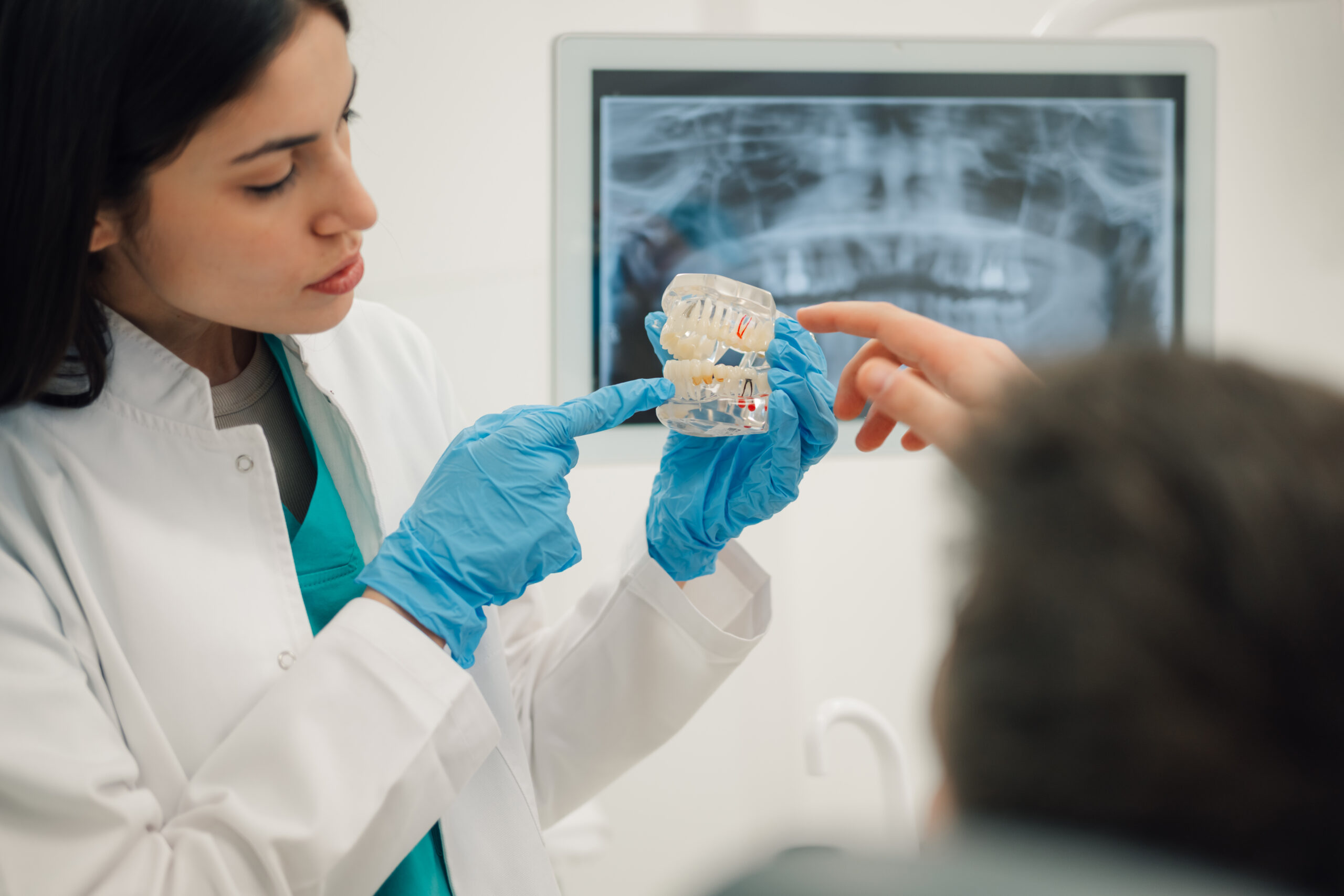
Getting implants involves several steps, but most patients find the process smoother than expected. Your dentist in Glendale starts with a thorough exam, including X-rays or CT scans to assess your bone quality. If bone loss has already occurred, additional procedures like bone grafting might be necessary first.
The implant placement itself is typically done under local anesthesia. Many patients return to normal activities within a day or two. The healing period takes several months as your bone fuses with the implant. During this time, you might wear a temporary restoration. Once healing is complete, your permanent crown is attached.
Taking Care of Your Investment
Implants don’t get cavities, but they still need attention. Brushing twice daily and flossing remain essential. The gum tissue around your implant can develop infections if plaque builds up. Regular cleanings at your dental office help catch any issues early.
The American Academy of Implant Dentistry notes that implants have a success rate above 95% when patients follow proper care guidelines. Most problems arise from neglecting oral hygiene or skipping routine checkups.
Who Makes a Good Candidate
Most healthy adults can receive dental implants in Glendale. Your dentist will evaluate factors like bone density, gum health, and overall medical history. Certain conditions, like uncontrolled diabetes or active gum disease, may need treatment first.
Smokers face higher risks of implant failure because smoking interferes with healing. If you’re considering implants, your dental team can provide resources to help you quit or cut back.
Making Your Decision
The best time to replace a missing tooth is as soon as possible. Early placement of dental implants in Glendale prevents the bone loss cascade and makes the procedure simpler. Waiting allows the bone to shrink, which may require additional steps to restore adequate volume.
Cost concerns are valid, but many dental offices offer payment plans. When you factor in the longevity of implants and the problems they prevent, the value becomes clear. Your quality of life improves, and you avoid the ongoing expenses of replacing temporary solutions.
Frequently Asked Questions
1. How long do dental implants last?
With proper care, implants can last 25 years or longer. The crown on top may need replacement after 10 to 15 years due to normal wear, but the implant itself remains stable.
2. Is the implant procedure painful?
Most patients report minimal discomfort. Local anesthesia numbs the area during placement, and over-the-counter pain relievers manage any soreness afterward. Many people compare it to having a tooth extracted.
3. Can I get implants if I’ve already lost bone?
Yes, but you may need bone grafting first. Your dentist can rebuild the area using either your own bone or special grafting materials. This adds time to treatment but makes implants possible.
4. How much do dental implants cost?
Costs vary based on your specific needs, ranging from $3,000 to $6,000 per tooth. Many dental offices offer financing options. Insurance may cover part of the cost, especially if tooth loss resulted from an accident.
5. What’s the success rate for dental implants?
Studies show success rates above 95% for lower jaw implants and around 90% for upper jaw implants. Following your dentist’s care instructions and maintaining good oral hygiene improve your chances further.
6. Can I eat normally with implants?
Absolutely. Once healing is complete, you can eat all your favorite foods without restrictions. Implants function just like natural teeth, allowing you to bite and chew with full force.
7. How soon after tooth loss should I get an implant?
Sooner is better. Placing an implant within a few months of tooth loss prevents significant bone deterioration. However, implants can still be successful years after tooth loss with proper preparation.
Moving Forward with Confidence
Your smile affects how you feel about yourself and how others perceive you. More importantly, the health of your jawbone impacts your facial structure and your ability to eat nutritious foods. Modern implant dentistry provides a solution that addresses both cosmetic and functional concerns.
If you’re dealing with missing teeth or ill-fitting dentures, now is the time to explore your options. A consultation gives you the information you need to make an informed choice about your oral health. Don’t let bone loss continue when a proven solution exists. Ready to protect your smile and preserve your bone health? Contact a local dental office today to schedule a consultation with an experienced dentist in Glendale. Your future self will thank you for taking this important step toward lasting oral health.