Most people visit the dentist only when something hurts. By that point, a small issue has often turned into a bigger, more expensive problem. General dentistry is built around stopping that from happening. Regular care keeps your teeth and gums healthy before problems get a chance to grow.
If you have been searching for a dentist in glendale or wondering about the best dentist office near me, understanding what general dentistry actually does for your long-term health can help you make smarter choices.
What General Dentistry Actually Covers
General dentistry is not just cleanings. It includes:
- Routine exams and X-rays
- Professional cleanings
- Cavity fillings
- Gum health checks
- Oral cancer screenings
- Tooth sealants and fluoride treatments
These services work together to catch problems early and keep your mouth in good shape year-round.
Why Preventive Care Saves You Money
A dental cleaning costs a fraction of what a root canal or crown does. When your dentist catches decay early, a simple filling fixes it. Wait too long, and that same tooth may need a crown, a root canal, or even removal.
Here is a rough comparison:
- Routine exam and cleaning: low cost, often covered by insurance
- Cavity filling: moderate cost
- Root canal and crown: several times more expensive
- Tooth implant: one of the highest dental costs
Skipping regular visits does not save money. It delays costs and makes them much larger.
How Regular Checkups Catch Problems Early
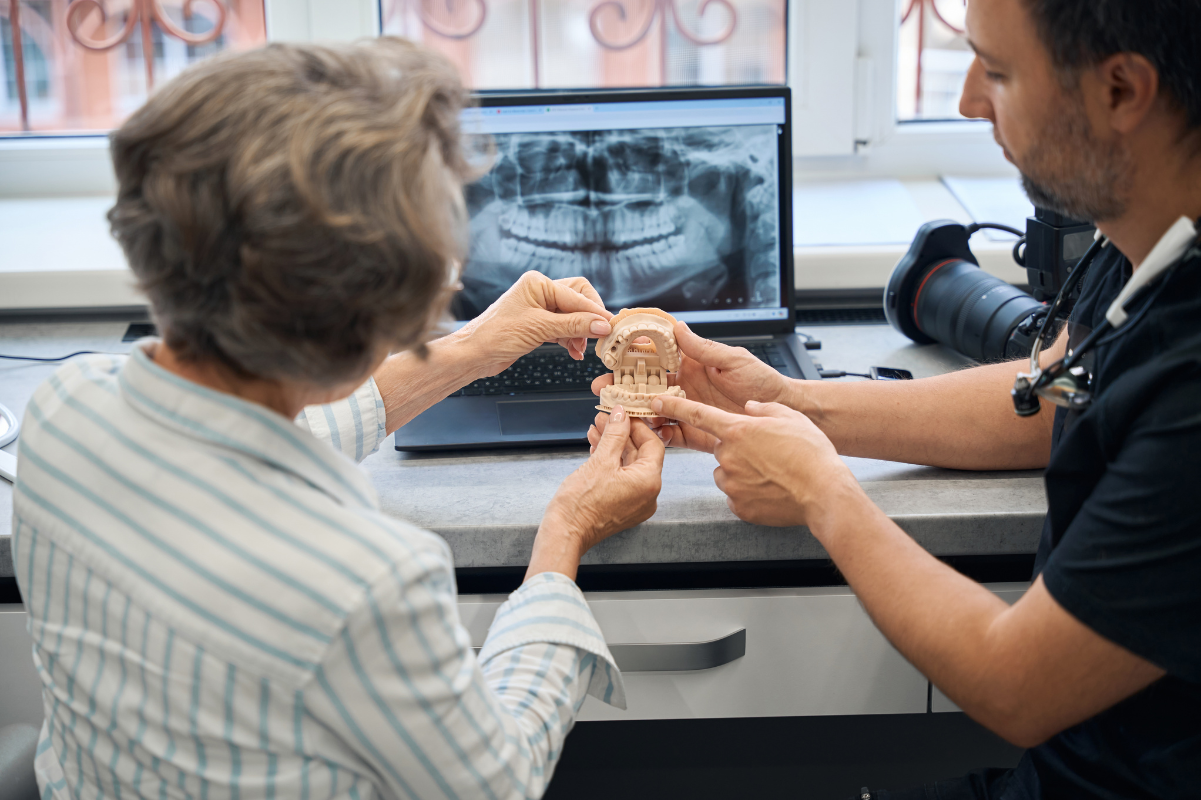
During a routine exam, your dentist checks for early signs of decay, gum disease, cracked teeth, and even oral cancer. X-rays show issues that are not visible to the naked eye, like decay between teeth or problems below the gum line.
Catching any of these early means simpler, cheaper treatment. For families in the Glendale area, staying on top of these visits at a trusted dentist in glendale can make a real difference in both health and household costs.
The Role of Gum Health in Overall Dental Costs
Gum disease is one of the most common causes of tooth loss in adults. It starts quietly, often with no pain. Left untreated, it leads to deep cleaning procedures, gum surgery, or lost teeth.
Regular cleanings remove the plaque and tartar that cause gum disease. Your hygienist also checks for early warning signs so your dentist can act before the condition advances. Healthy gums mean fewer procedures and lower bills over time.
Children and Preventive Dentistry
Kids benefit greatly from early dental habits. Sealants protect back teeth from cavities. Fluoride treatments strengthen enamel. Getting children comfortable with dental visits early also reduces anxiety later in life.
Starting young builds a strong foundation. A family-focused dentist in glendale can help children develop habits that protect their teeth well into adulthood.
Simple Habits That Work Alongside Professional Care
Professional care works best when paired with good habits at home:
- Brush twice a day with fluoride toothpaste
- Floss daily to remove food and plaque between teeth
- Limit sugary drinks and snacks
- Drink water, especially after meals
- Replace your toothbrush every three months
These habits are basic, but they make a real difference when combined with regular dental visits.
Conclusion
General dentistry is your first line of defense against expensive dental work. Routine visits, cleanings, and early treatment keep small issues from becoming serious ones. The cost of prevention is always lower than the cost of correction.
At Family Dental Station – Glendale, the focus is on helping patients maintain healthy smiles through consistent, affordable care. Whether you are due for a cleaning or have a concern you have been putting off, schedule a consultation with Family Dental Station to get ahead of any problems. When people search for a dentist office near me, they are often looking for a place they can trust with their long-term dental health. That is exactly what routine general dentistry provides.
If you are ready to take better care of your teeth, contact our Family Dental Station office and set up your next visit. Your future smile will thank you.
Frequently Asked Questions
1. How often should I visit the dentist for a routine checkup?
Most people benefit from a visit every six months. Some patients with gum disease or other concerns may need to come in more often. Your dentist will suggest the right schedule for your needs.
2. Are dental cleanings really necessary if I brush and floss daily?
Yes. Brushing and flossing remove soft plaque, but tartar buildup needs professional tools to remove. Skipping cleanings allows tartar to accumulate and increases the risk of gum disease and cavities.
3. What happens if I avoid the dentist for years?
Problems that could have been treated simply, like a small cavity, often grow into larger issues. This can lead to tooth loss, infections, or the need for costly procedures like implants or dentures.
4. Does dental insurance cover preventive care?
Many dental insurance plans cover preventive services like exams, cleanings, and X-rays at little or no cost to you. Check your plan details to understand what is included.
5. At what age should children start seeing a dentist?
Children should have their first dental visit by their first birthday or when their first tooth appears. Early visits help spot issues and get kids comfortable with dental care.
6. What is the difference between a cleaning and a deep cleaning?
A regular cleaning removes plaque and tartar from the visible surfaces of teeth and just below the gum line. A deep cleaning (scaling and root planing) goes further below the gum line and is used to treat active gum disease.
7. Can general dentistry help with tooth sensitivity?
Yes. Your dentist can identify the cause of sensitivity, whether it is enamel wear, gum recession, or decay, and recommend the right treatment to reduce discomfort.
8. Is it okay to wait until a toothache starts before seeing a dentist?
Pain often means a problem has already progressed. Many dental issues have no symptoms in the early stages. Regular checkups catch those problems before they become painful or expensive.