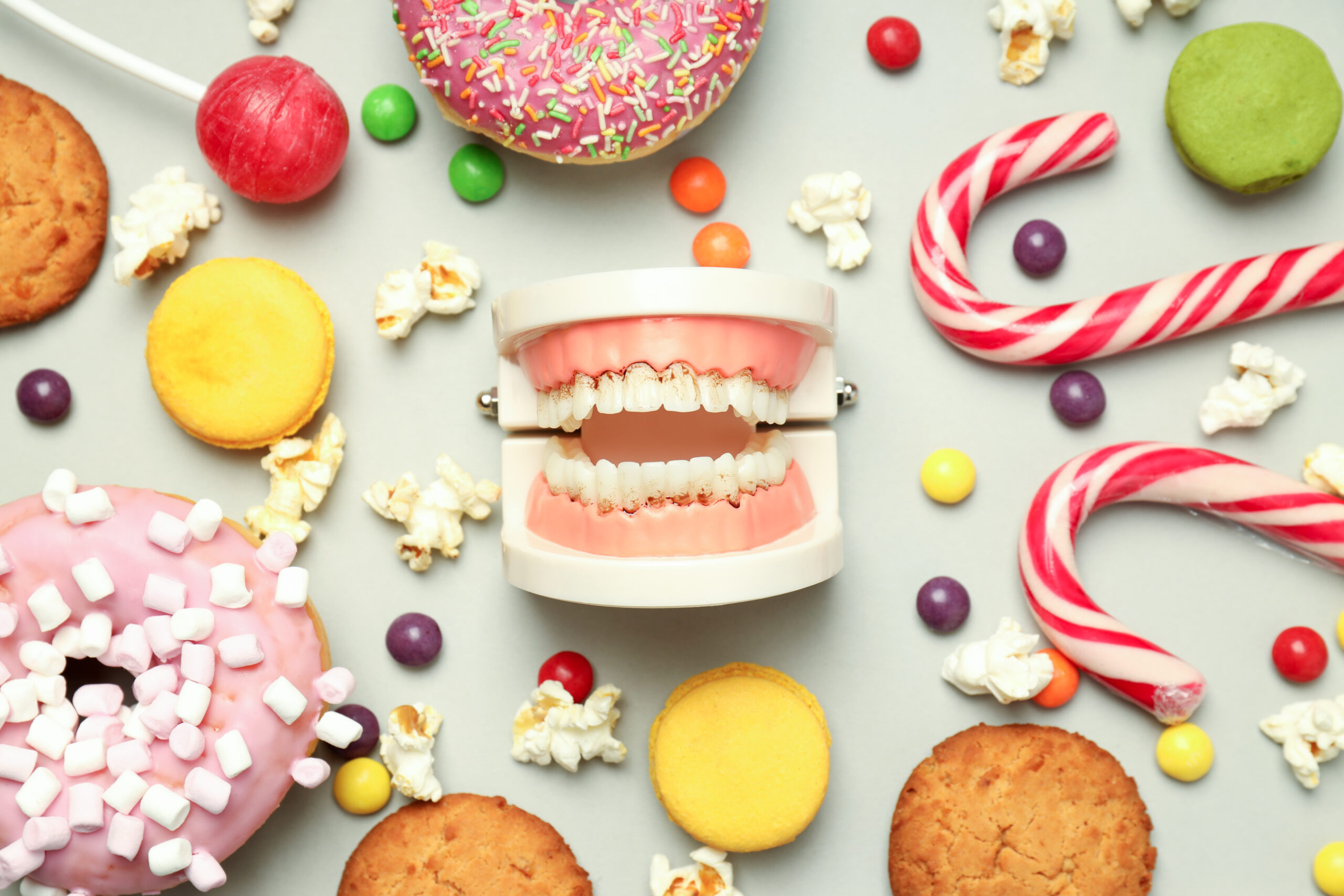
The holiday season brings family photos, office parties, and get-togethers. Many people want their smile to shine bright for these events. If you’ve been thinking about trying a teeth whitening kit before the holidays, you’re not alone. But with so many options out there, how do you know what actually works?
Let’s talk about what really matters when choosing a whitening kit, what mistakes to avoid, and when you might want to see a professional instead. Before you buy the first kit you see online or rush to search for a dentist near me, let’s talk about what really matters when choosing a whitening kit, what mistakes to avoid, and when you might want to see a professional instead.
Why Christmas Makes Us Think About Our Smile
During the holidays, we smile more. We take more photos. We meet up with people we haven’t seen all year. It makes sense that many folks want to brighten their teeth before all the celebrations begin.
The good news is that teeth whitening Glendale has come a long way. The bad news? Not every product delivers what it promises. Some work well, others waste your money, and a few can actually harm your teeth if used wrong.
What Actually Works in Whitening Kits
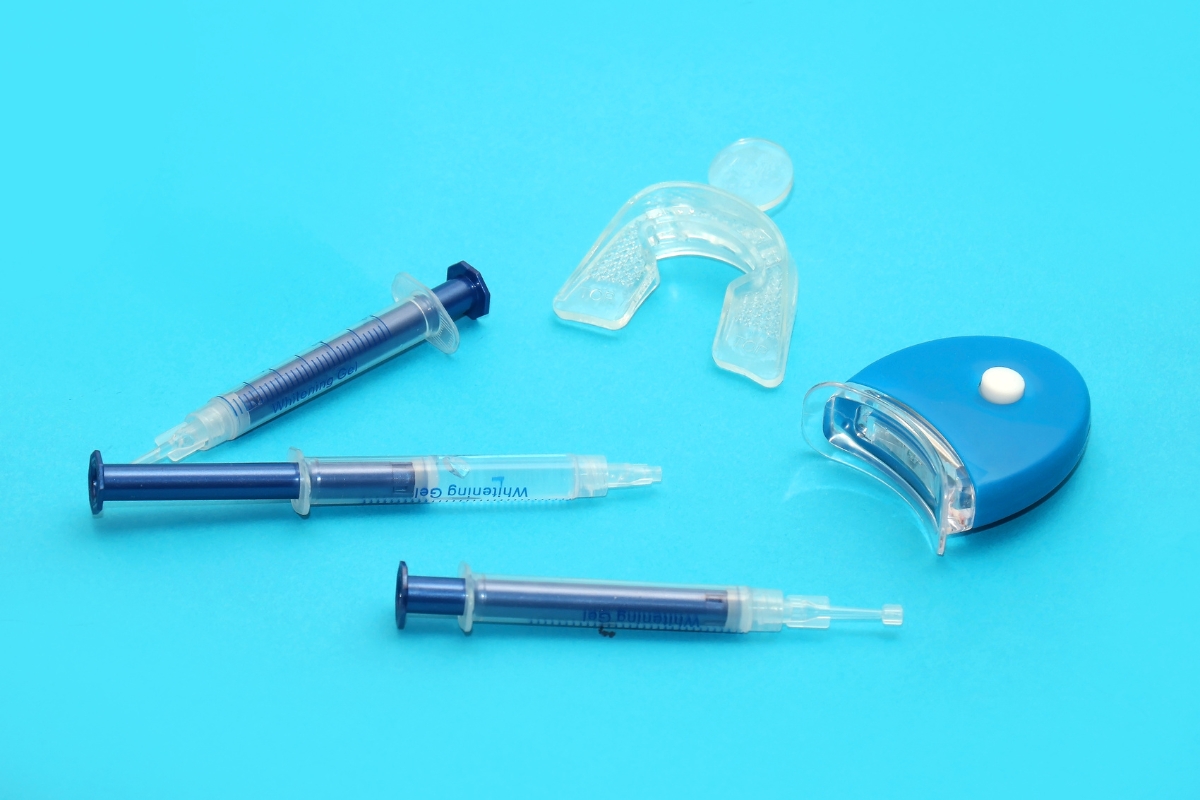
When you walk into a store or scroll through online options, you’ll see strips, trays, pens, LED lights, and more. Here’s what the research shows actually helps:
Peroxide-Based Products
The most effective whitening products contain either hydrogen peroxide or carbamide peroxide. These ingredients break down stains on your tooth surface. Look for products with 10 to 35 percent carbamide peroxide or 3 to 10 percent hydrogen peroxide, according to the American Dental Association.
Products without these active ingredients might clean your teeth but won’t actually whiten them much.
Well-Fitting Trays
Custom-fitted trays work better than one-size-fits-all options. When trays don’t fit right, the gel can leak onto your gums (which hurts) or away from your teeth (which wastes product). Many people searching for Teeth Whitening Glendale services find that custom trays from their dentist give better results than store-bought versions.
Whitening Strips That Stay Put
Quality strips stick to your teeth and stay in place. They need to maintain contact with your enamel long enough to work. Cheaper strips that slide around won’t do much good.
What Doesn’t Work (And What Can Cause Problems)
Before you buy that kit with amazing before-and-after photos, watch out for these red flags:
Products Without Proper Active Ingredients
Some whitening products rely on baking soda or charcoal. While these might scrub away surface stains, they won’t change your tooth color. They’re basically fancy toothpaste. If you want real whitening, you need peroxide-based products.
LED Lights (Usually)
Many kits come with LED lights that claim to boost results. The truth? Most research shows the light doesn’t add much benefit. You’re paying extra for a gadget that looks high-tech but doesn’t do more than the gel alone. The whitening comes from the gel, not the light.
Quick-Fix Promises
If a product claims to whiten your teeth several shades in one day, be careful. Real whitening takes time. Products that promise instant results often contain harsh chemicals that can damage your enamel or burn your gums.
Social Media DIY Methods
You might see people on social media using household hydrogen peroxide or even bleach. Don’t do this. These products weren’t made for teeth and can cause serious damage. Stick to products made for dental use.
Common Mistakes That Stop Whitening From Working
Even good products can fail if you don’t use them right. Here are mistakes to avoid:
Using Them Too Often
More isn’t better with whitening. Using products too much can wear down your enamel and make your teeth more sensitive. Follow the instructions exactly. If it says use once a day for two weeks, don’t use it twice a day thinking you’ll get faster results.
Not Checking Your Teeth First
If you have cavities, gum problems, or old fillings, whitening might not work the way you expect. Whitening products only work on natural tooth enamel. They won’t change the color of crowns, fillings, or veneers. This can leave you with uneven coloring.
Before trying any whitening product, see a dentist near me for a checkup. They can spot problems and tell you if whitening makes sense for your situation.
Ignoring Tooth Sensitivity
If your teeth start hurting during whitening, stop. Pushing through pain isn’t tough, it’s risky. Sensitivity means the product might be too strong for your teeth or you’re using it too often. Products made for sensitive teeth use lower amounts of peroxide and add ingredients to reduce discomfort.
Not Following Up With Good Habits
Whitening your teeth and then drinking coffee all day will undo your work fast. After whitening, you need to watch what you eat and drink. Coffee, tea, red wine, dark sodas, and foods like tomato sauce can all stain teeth. If you’re not willing to cut back on these or rinse your mouth after having them, your results won’t last.
When Store-Bought Kits Might Not Be Enough
Sometimes at-home kits just can’t solve the problem. Here’s when you should consider professional help:
Deep or Old Stains
Store kits work best on surface stains from food and drinks. But some stains go deeper. Stains from medication (like certain antibiotics), trauma to your teeth, or just aging might not respond to over-the-counter products. These need stronger treatments you can only get from a dentist. If you’re dealing with stubborn discoloration, professional Teeth Whitening Glendale services can assess your situation and recommend the right treatment approach.
Gray or Very Dark Teeth
If your teeth look gray instead of yellow, whitening kits probably won’t help much. Gray color often means the stain is inside the tooth, not on the surface. You might need veneers or other treatments instead.
Uneven Results
If you have dental work like crowns or large fillings in your front teeth, whitening can make things look worse. The natural teeth will get lighter, but the dental work stays the same color. This leaves you with a patchy smile.
If you need Teeth Whitening services that handle complex cases, a dentist can create a treatment plan that accounts for your dental work.
Professional Options That Work Better
When at-home kits aren’t cutting it, professional treatments offer stronger solutions:
In-Office Whitening
Dentists can use products with up to 40 percent peroxide (much stronger than store kits). They protect your gums and soft tissue while the product works. Most treatments take 30 to 45 minutes and can lighten teeth several shades in one visit, according to Mayo Clinic’s guide on teeth whitening.
Custom Take-Home Trays
Your dentist can make trays that fit your teeth perfectly and provide professional-grade whitening gel. This combines the convenience of at-home treatment with the strength of professional products. Many people find this option works better than anything they can buy at a store.
How to Pick the Right Kit for You
If you decide to try an at-home kit, here’s how to choose wisely:
- Check the active ingredients: Look for hydrogen peroxide or carbamide peroxide in the right amounts
- Read real reviews: Don’t just look at the amazing photos on the package. See what actual users say
- Consider your teeth: Do you have sensitivity? Pick products made for that. Do you have dental work? Talk to your dentist first
- Set realistic goals: Most kits lighten teeth by two to four shades over a few weeks. If you want more dramatic results, you might need professional help
- Look for the ADA Seal: Products with American Dental Association approval meet safety and effectiveness standards
Maintaining Your Results After the Holidays
Once you get your teeth white, you’ll want to keep them that way. Here’s how:
- Brush twice a day with whitening toothpaste
- Rinse your mouth after drinking coffee, tea, or wine
- Use a straw for drinks that stain
- Don’t smoke or use tobacco
- Get your teeth cleaned every six months
- Touch up your whitening every few months if needed
I love it here. Very clean business. Everyone was welcoming especially front desk. Wait time was less than 10min, and I left with clean white teeth. Happy customer! – R Wells
Want to know what others opinion? Check out our patients’ Google reviews and feel confident in your choice.
Frequently Asked Questions
Q: How long do whitening kit results last?
A: Results typically last three to six months, depending on your habits. If you drink coffee or wine regularly, they might fade faster. Touch-ups every few months can help maintain your results.
Q: Can I whiten my teeth if they’re sensitive?
A: Yes, but choose products made for sensitive teeth. These have lower amounts of peroxide and often include things like potassium nitrate to reduce discomfort. Start slow and stop if you feel pain.
Q: Why aren’t my teeth getting whiter?
A: Several reasons could explain this. Your teeth might have deep stains that need professional treatment. You might not be using the product correctly. Or you might have dental work that doesn’t respond to whitening. A checkup with a dentist can help figure out what’s going on.
Q: Do LED lights really speed up whitening?
A: Most studies show LED lights don’t add much benefit. The whitening comes from the peroxide gel, not the light. Save your money and skip kits that charge extra for LED technology.
Q: Is it safe to whiten my teeth before Christmas?
A: Generally yes, if you use products correctly and your teeth are healthy. Start at least two to three weeks before your event to allow time for results and to deal with any sensitivity. Don’t rush the process by using products more often than directed.
Q: Will whitening work on crowns or veneers?
A: No. Whitening products only work on natural tooth enamel. If you have crowns, veneers, or large fillings on your front teeth, whitening might make them look darker by comparison. Talk to your dentist about options.
Q: What should I do if my gums start burning during whitening?
A: Stop using the product right away and rinse your mouth well. Burning means the gel is touching your gums too much, which can happen with poorly fitting trays or using too much product. If the burning doesn’t stop or gets worse, contact your dentist.
Conclusion
Teeth whitening kits can work, but you need to choose carefully and use them correctly. Products with peroxide-based formulas and proper fit give the best results. Skip the gimmicks like fancy lights and social media DIY hacks.
Before starting any whitening treatment, think about your teeth’s current health and your goals. If you want dramatic results fast, have deep stains, or have a lot of dental work, store-bought kits might not be your best choice. Book a quick consultation with Family Dental Station and find a qualified dentist near me can help you understand which whitening method will work best for your specific situation.
The holidays are a great time to improve your smile, but make sure you do it safely. Your teeth need to last long after the decorations come down.