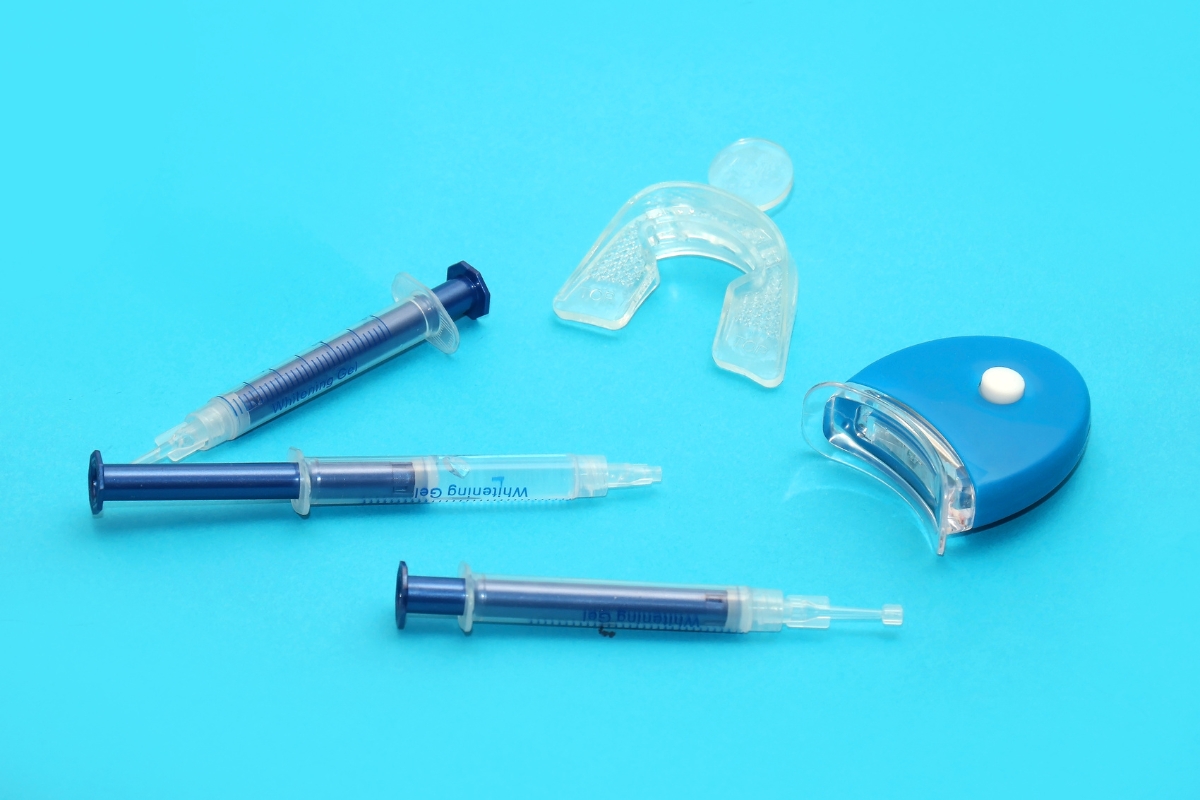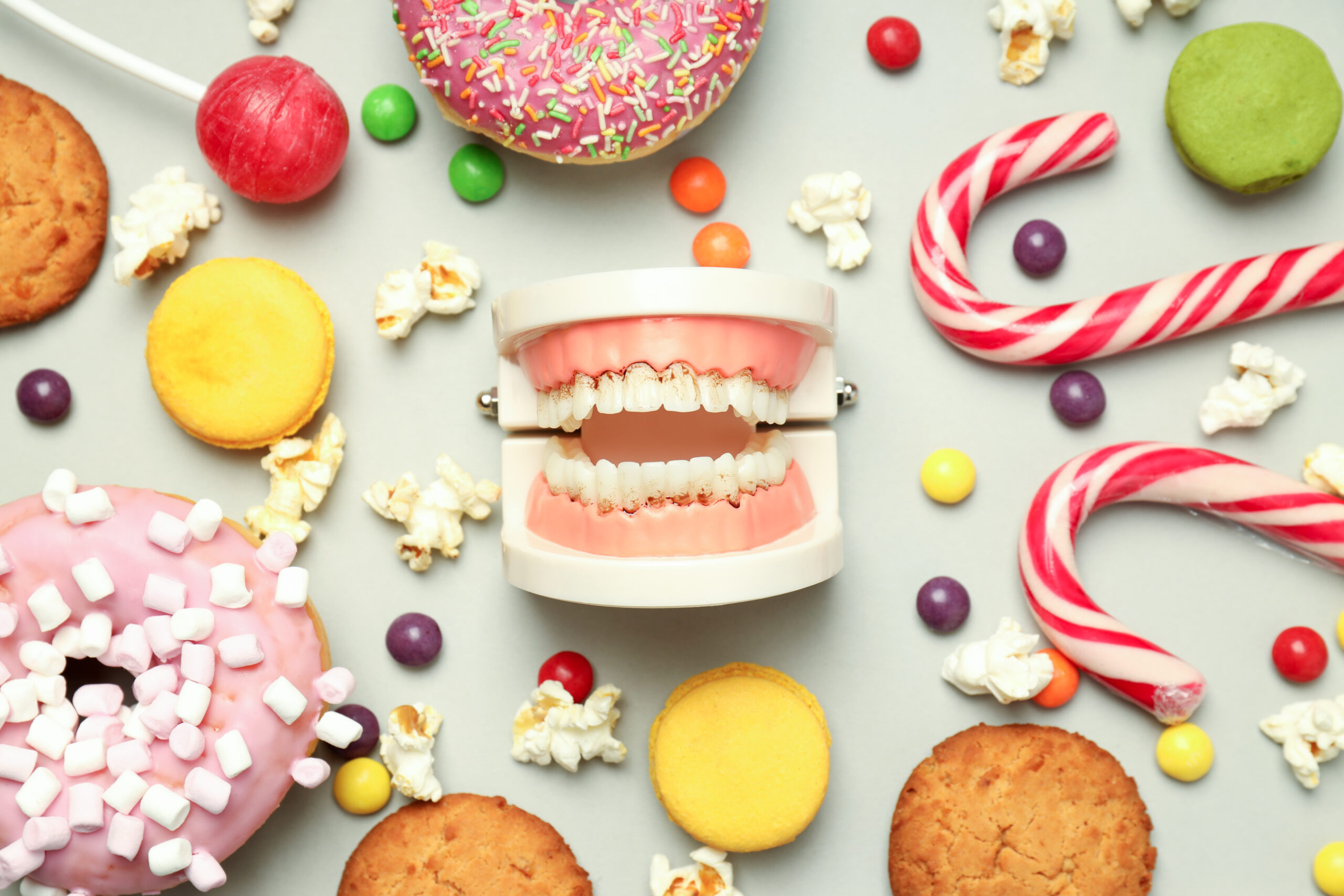
A bright, white smile makes a strong first impression. Many people choose professional teeth whitening to boost their confidence and improve their appearance. However, what you eat before and after your treatment plays a big role in how long your results last.
When searching for a dentist near me for whitening services, it’s important to understand that your diet can make or break your investment. Teeth Whitening Glendale specialists often emphasize that proper food choices protect your smile and extend your results.
Why Your Diet Matters During Teeth Whitening
After a whitening session, your teeth become more open to staining for up to 48 hours. The bleaching process temporarily makes your enamel porous, allowing pigments from foods and drinks to seep in more easily.
Eating the right foods helps you:
- Keep your whitening results longer
- Reduce tooth sensitivity
- Prevent unnecessary stains
- Support overall oral health
What to Eat Before Teeth Whitening
Getting ready for your appointment means preparing your mouth properly. A clean, healthy mouth responds better to whitening and causes less sensitivity.
✅ Best Pre-Whitening Foods:
A. Calcium-Rich Options
Milk, yogurt, and cheese make your enamel stronger and more resistant to treatment sensitivity.
B. Crunchy Vegetables and Fruits
Carrots, apples, and celery naturally clean your teeth and boost saliva production. Saliva neutralizes harmful acids in your mouth.
C. Lean Proteins
Chicken, turkey, and fish provide nutrition without leaving stains or feeding bacteria.
D. Whole Grains
Brown rice and oatmeal are low in sugar and won’t create plaque buildup before treatment.
E. Normal Water
Staying hydrated washes away food particles and keeps your mouth comfortable during the procedure.
Foods to Skip Before Whitening
Some foods and habits can make the whitening process less effective or increase your risk of sensitivity.
❌ Avoid These Foods Before Treatment:
Some foods can reduce how well your treatment works or increase sensitivity.
A. Dark Beverages
Coffee, tea, and red wine stain teeth even before whitening, which can limit your visible results. If you’re planning Teeth Whitening Glendale treatments, cut back on these drinks a few days early.
B. Acidic Foods
Citrus fruits, vinegar dressings, and soda weaken enamel and make teeth more sensitive to bleaching agents.
C. Sugary Snacks
Candy and dried fruits create plaque that interferes with whitening and irritates gums.
D. Tobacco Products
Smoking creates stubborn stains that work against whitening efforts and can irritate your mouth.
What to Eat After Teeth Whitening
Post-whitening care is just as important—if not more so—than pre-whitening care. For the first 24–48 hours, your teeth are especially vulnerable to stains, so follow what’s called a “white diet”.
✅ Safe Post-Whitening Foods:
A. White Rice and Plain Pasta
These neutral foods won’t stain your teeth and are easy on sensitivity.
B. White Meats
Grilled chicken and white fish are light in color and safe for fresh whitening results.
C. Egg Whites
Skip the yolks for the first few days since they have a yellow tint.
D. White Vegetables
Mashed potatoes and cauliflower are soft, gentle, and stain-free.
E. Light Fruits
Peeled bananas and apples are non-acidic and won’t damage your results.
F. Plain Dairy
Yogurt and milk provide calcium to strengthen enamel without pigmentation.
G. Lots of Water
Water flushes out food particles and prevents the dry mouth that can lead to staining.
Foods to Avoid After Whitening
❌ Foods and Drinks to Avoid (For at Least 48 Hours):
A. Coffee and Tea
These top staining culprits contain high levels of tannins that discolor teeth quickly.
B. Dark Drinks
Red wine, cola, and colored sports drinks easily penetrate newly opened tooth pores.
C. Tomato Sauce
The acid and deep red color make pasta sauce a double threat to fresh whitening.
D. Berries
Blueberries, blackberries, and cherries are healthy but highly pigmented.
E. Dark Condiments
Beets, soy sauce, and balsamic vinegar stain easily despite small portions.
F. Colored Sweets
Bright candy and popsicles stain teeth and increase sensitivity.
G. Citrus
Lemons, limes, and oranges are too acidic for sensitive, freshly whitened teeth.
Tips to Extend Your Results
- Use a Straw When you must have coffee or tea, drinking through a straw reduces contact with your teeth.
- Choose Gentle Toothpaste Whitening toothpaste helps maintain results when used carefully to avoid sensitivity.
- Stop Tobacco Use Smoking or chewing tobacco quickly undoes whitening and damages oral health.
- Practice Good Hygiene Brush twice daily, floss regularly, and visit your dentist near me for cleanings every six months.
How Long Will Your Smile Stay Bright?
Professional whitening typically lasts six months to two years. Your results depend on lifestyle habits and oral care routines. People who avoid staining foods, don’t smoke, and maintain regular dental visits enjoy longer-lasting whiteness.
When considering Teeth Whitening Glendale services, ask your dental team about maintenance plans. Touch-up treatments can help you keep your smile bright between major whitening sessions.
Common FAQs: Teeth Whitening and Diet
1. Can I drink coffee after teeth whitening?
Wait at least 48 hours before drinking coffee. When you do resume, use a straw and rinse with water afterward.
2. How soon can I eat normally after whitening?
You can return to most foods after 48 hours, but continuing to limit staining foods helps results last longer.
3. Will whitening make my teeth sensitive?
Some people experience temporary sensitivity. Eating calcium-rich foods and avoiding very hot or cold items helps reduce discomfort.
4. Can I brush my teeth right after whitening?
Wait at least 30 minutes after treatment before brushing. Your enamel needs time to settle after the procedure.
5. What should I do if my teeth feel sensitive?
Use toothpaste made for sensitive teeth and avoid extreme temperatures. If sensitivity continues beyond a few days, contact your dental provider.
6. Are whitening results permanent?
No treatment provides permanent whitening. However, good oral hygiene and smart food choices can extend results for up to two years.
Protecting Your Investment
Teeth whitening gives you a confidence boost and improves your appearance. Taking care of what you eat before and after treatment helps you get the most value from your procedure. By choosing tooth-friendly foods and skipping stain-causing items, you protect your results and support your overall dental health.
Your smile deserves expert care. If you’re experiencing any dental concerns or want to learn more about maintaining your whitening results, schedule an appointment with your dental care team. For personalized guidance and professional treatment options, contact a local family dental clinic at your place. Working with experienced professionals, like those offering Teeth Whitening Glendale services, ensures you receive proper care tailored to your needs.
Don’t hesitate to reach out to a trusted dentist near me who can help you achieve and maintain the bright, healthy smile you deserve.