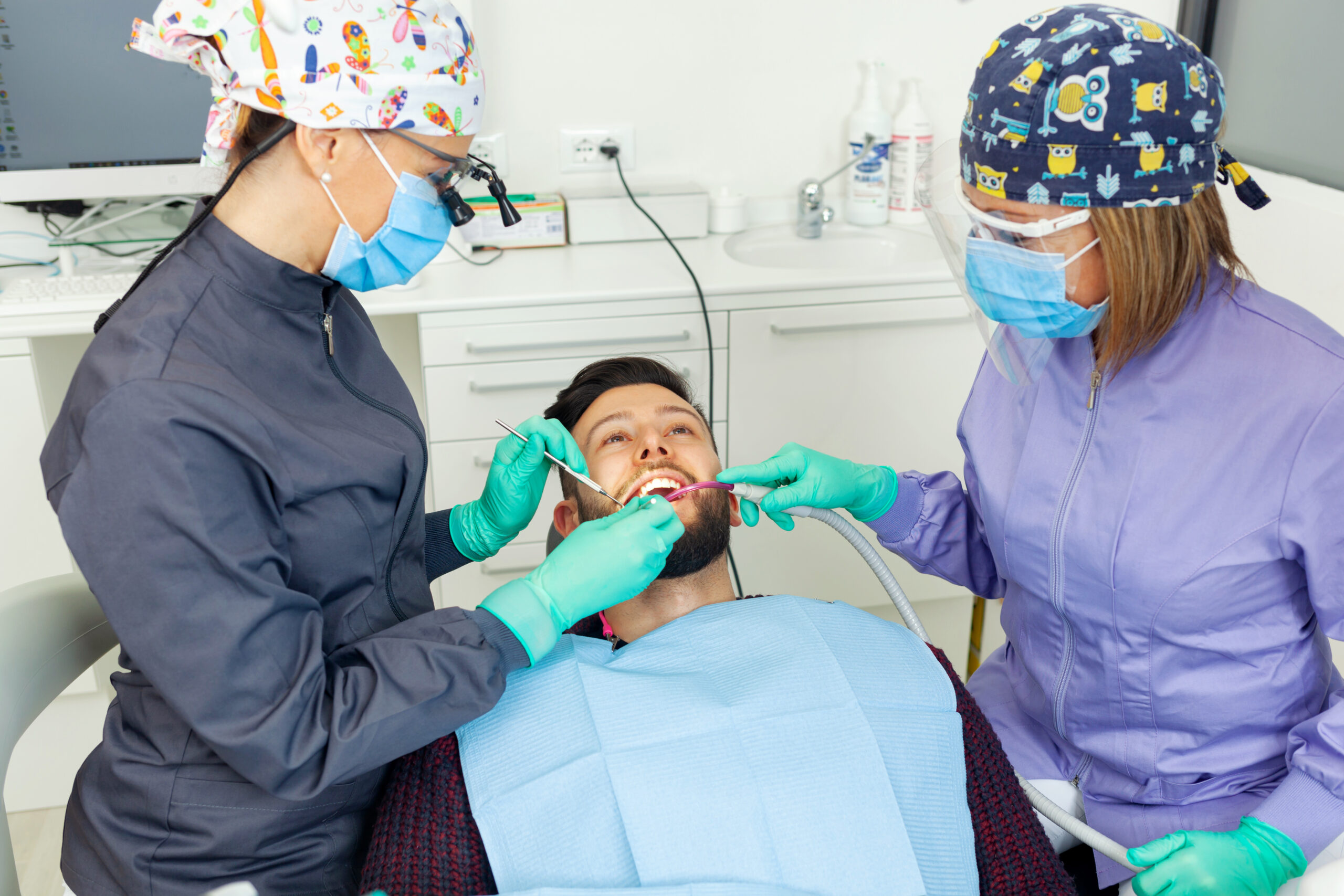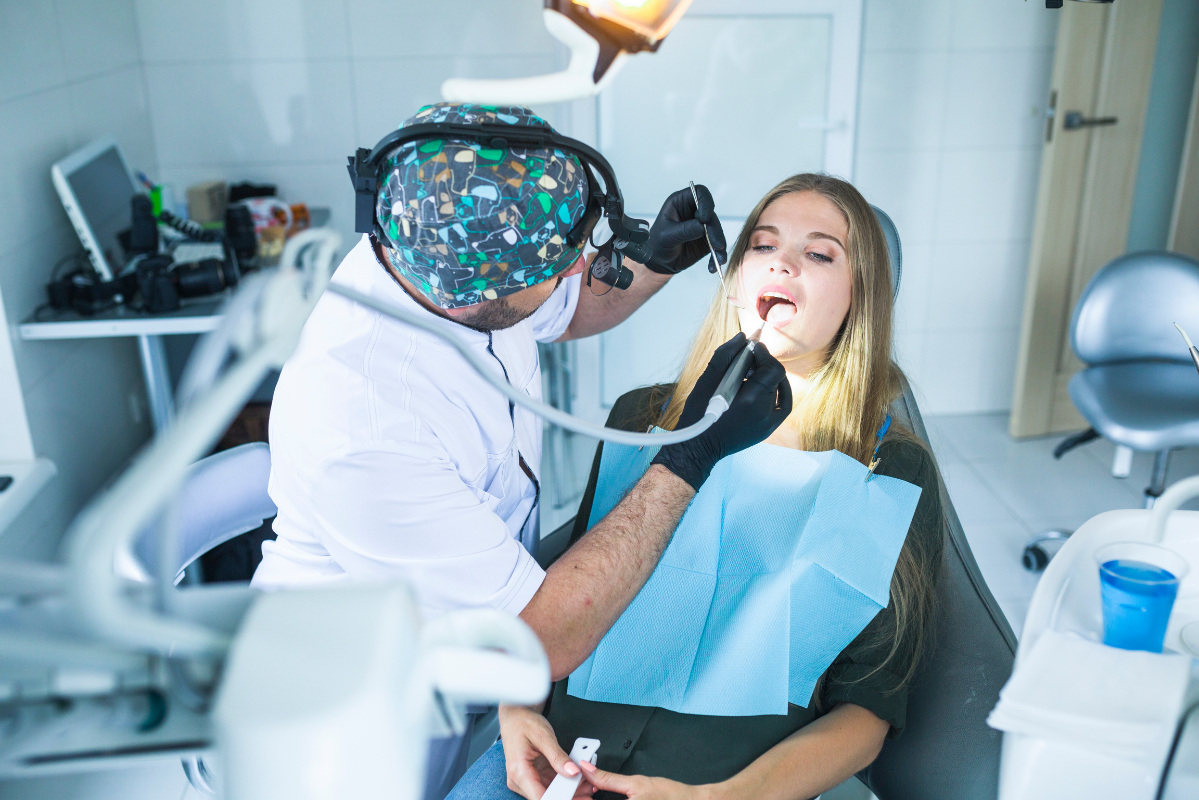
Dental emergencies don’t follow a schedule. They happen at the worst possible times, often when you least expect them. A knocked-out tooth during a weekend basketball game, a cracked molar from biting down on popcorn, or sudden severe pain that wakes you at 3 AM can all send you searching frantically for help.
Understanding how to respond to these situations can make the difference between saving a tooth and losing it permanently. An emergency dentist Glendale AZ professional shares critical insights on managing dental trauma before you can get professional care.
Recognizing True Dental Emergencies
Understanding the Difference Between Urgent and Non-Urgent Issues
Not every dental issue requires immediate attention, but some situations demand quick action. Knowing the difference helps you respond appropriately and can save your natural teeth.
Urgent situations include:
- A tooth that’s been completely knocked out
- Severe bleeding that won’t stop after 10 minutes
- A broken jaw or facial bones
- Intense pain that isn’t relieved by over-the-counter medication
- Swelling in your mouth or face that affects breathing
Less urgent but still important:
- A chipped tooth with no pain
- A lost filling or crown
- Food stuck between teeth
- Minor toothaches
If you’re unsure whether your situation needs immediate care, call a dentist near me and describe your symptoms. They can guide you on the next steps.
Immediate Steps for Common Dental Injuries
Knocked-Out Tooth: Act Within the Golden Hour
Time is your biggest enemy when a tooth gets knocked out. You have roughly 30 minutes to an hour for the best chance of saving it.
Pick up the tooth by the crown (the white part you see when you smile), never by the root. Rinse it gently with water if it’s dirty, but don’t scrub it or remove any attached tissue. Try to place it back in the socket if possible. If that feels too uncomfortable, keep it moist by placing it in milk, saline solution, or between your cheek and gums.
Head to an emergency dental office right away. In Glendale, several practices offer same-day emergency appointments for situations like this.
Cracked or Broken Teeth: Protect and Preserve
Rinse your mouth with warm water to clean the area. Apply a cold compress to your face near the injured tooth to reduce swelling. Save any pieces of the tooth you can find and bring them with you.
Avoid chewing on that side of your mouth until you’ve seen a dentist. Even small cracks can worsen quickly if you put pressure on them.
Severe Toothache: Reading Your Body’s Warning Signs
Pain is your body’s warning system. A persistent, severe toothache often signals infection or decay that needs professional treatment.
Rinse with warm salt water and gently floss around the tooth to remove any trapped food. You can take over-the-counter pain medication following the package directions. Never put aspirin directly on your gums or tooth, as it can burn the tissue.
Contact an emergency dentist Glendale AZ if the pain persists for more than a day or if you develop fever or facial swelling.
Lost Filling or Crown: Temporary Solutions That Work
Clean the affected tooth gently. For a lost crown, you can temporarily reattach it using dental cement from a pharmacy or even a small amount of toothpaste. This is only a temporary fix.
Schedule an appointment within a few days. Leaving a tooth unprotected can lead to further damage or sensitivity.
What Not to Do During a Dental Emergency
Common Mistakes That Make Things Worse
Panic makes people do things that can make injuries worse. Here are common mistakes to avoid:
Don’t ignore the problem hoping it will go away. Dental issues rarely resolve on their own and typically worsen without treatment.
Don’t use tools or sharp objects to remove stuck food or debris. You could damage soft tissue or push the object deeper.
Don’t apply heat to swollen areas. Use cold compresses instead. Heat can spread infection.
Don’t take more medication than recommended. If normal doses aren’t controlling your pain, that’s a sign you need professional care.
How Local Emergency Dentists Can Help
What to Expect When You Call for Emergency Care
When you contact an emergency dental office, they assess your situation over the phone first. This helps them prepare the right equipment and schedule you appropriately.
Modern emergency dental practices in the Glendale area offer several advantages. Many have digital X-ray systems that show detailed images immediately. They stock materials for temporary and permanent repairs. Most importantly, they understand that dental pain and trauma cause real stress and treat patients with compassion.
These offices often have extended hours, including weekends and evenings. Some even offer 24-hour hotlines for urgent questions. The Glendale community benefits from multiple dental practices that understand the unique needs of local families, from sports-related injuries common at local schools to accidents that happen during outdoor activities in the Arizona heat.
Preventing Future Dental Emergencies
Simple Habits That Protect Your Teeth
While you can’t prevent every accident, you can reduce your risk:
Wear a mouthguard during sports. Custom-fitted ones from your dentist offer better protection than store-bought versions. This is especially important for youth sports popular in Glendale, like basketball, baseball, and soccer.
Avoid chewing ice, popcorn kernels, and hard candy. These are common causes of cracked teeth.
Don’t use your teeth as tools to open packages or bottles.
Keep up with regular dental checkups. Your dentist near me can spot weak teeth, old fillings, or other problems before they become emergencies.
Address small issues quickly. A tiny cavity is easier and cheaper to fix than a root canal later.
The Role of Regular Dental Care
Building a Relationship With Your Dentist Before Crisis Strikes
Having an established relationship with a local dentist makes handling emergencies easier. Your regular dentist already knows your dental history, which helps during urgent situations.
Regular visits every six months allow your dentist to monitor potential problem areas. They can reinforce weak teeth, replace aging fillings, and catch infections early.
Many dental offices prioritize their existing patients for emergency appointments. Building this relationship before you need urgent care gives you an advantage. In Glendale, where community connections matter, having a trusted dental provider who knows you and your family can make stressful situations much more manageable.
When to Visit the Emergency Room Instead
Knowing the Difference Between Dental and Medical Emergencies
Some situations require a hospital emergency room rather than a dental office:
- Difficulty breathing or swallowing
- Uncontrolled bleeding
- Jaw fractures or suspected broken facial bones
- Injuries from major accidents
- Swelling that’s closing your airway
For these serious medical emergencies, call 911 or go straight to the nearest ER. Banner Thunderbird Medical Center and other Glendale area hospitals can stabilize you and refer you to an oral surgeon or dentist for follow-up care.
Managing Pain and Anxiety
Staying Calm When Dental Trauma Happens
Dental emergencies hurt, both physically and emotionally. The fear of losing a tooth or facing expensive treatment adds to the stress. Take deep, slow breaths to help calm yourself. Focus on the steps you’re taking to address the problem rather than worst-case scenarios.
Most dental procedures are much less painful than people expect. Modern anesthetics work quickly and effectively. Dentists want you comfortable and will adjust treatment if you’re experiencing pain. If dental anxiety is a significant issue for you, mention it when you call. Many practices offer sedation options for anxious patients.
Conclusion
Dental trauma catches everyone off guard, but knowing how to respond makes a real difference. Quick action, proper first aid, and prompt professional care can save teeth and prevent complications. Keep your dentist’s emergency contact information saved in your phone. Know which local practices offer after-hours care. Prepare a small dental emergency kit with gauze, pain medication, and the contact details for an emergency dentist Glendale AZ practice.
Remember that most dental emergencies have good outcomes when treated quickly. Don’t let fear or uncertainty keep you from getting the care you need. Whether you’re dealing with a sports injury at one of Glendale’s many parks or a sudden toothache that disrupts your day, help is available.
If you’re experiencing dental trauma or want to establish care with a trusted local practice, schedule a consultation with a qualified dentist near me today. Having a dental home before an emergency happens gives you peace of mind and faster access to care when you need it most.
Frequently Asked Questions
1. How quickly do I need to see a dentist after knocking out a tooth?
You should see a dentist within 30 to 60 minutes for the best chance of saving the tooth. Keep it moist and handle it only by the crown during this time.
2. Can a cracked tooth wait until Monday if it happens on Saturday?
It depends on the severity. If you’re in severe pain or the crack is large, seek emergency care that day. Small cracks with minimal discomfort can usually wait, but call your dentist for guidance.
3. What should I do if my child chips a baby tooth?
Rinse the area with warm water and apply a cold compress if there’s swelling. Contact your dentist within 24 hours. Even baby teeth need evaluation to prevent infection or damage to permanent teeth developing underneath.
4. Are walk-in emergency dental appointments available in Glendale?
Many dental practices in Glendale accept walk-ins for emergencies, though calling ahead helps them prepare for your arrival and may reduce your wait time.
5. How much does emergency dental care typically cost?
Costs vary based on the treatment needed. Simple examinations start around $75 to $150, while procedures like extractions or crowns cost more. Many offices offer payment plans or work with dental insurance.
6. What can I eat after dental trauma?
Stick to soft foods that don’t require much chewing. Avoid extremely hot or cold items, and don’t chew on the injured side. Your dentist will give specific dietary instructions based on your treatment.
7. Should I take antibiotics before seeing the dentist for an emergency?
Don’t take antibiotics unless prescribed by a dentist or doctor. They need to evaluate your specific situation first. Improper antibiotic use can make treatment more difficult.
8. How do I find a reliable emergency dentist in my area?
Search for practices with good reviews, emergency availability, and experienced staff. Ask friends and family for recommendations. Establishing care with a regular dentist before an emergency happens is the best approach.