You know that feeling when you walk into a dental office? That mix of “I should do this more often” and “What exactly are they going to do in there?” Most people schedule their appointments without really understanding what happens during a routine checkup and cleaning. Whether you’re visiting a Glendale dentist for the first time or you’ve been putting off your regular appointment, let me walk you through the entire process, step by step, so you know exactly what to expect at your next visit.
Why Regular Dental Visits Matter More Than You Think
Before we get into the details, let’s talk about why these appointments are so important. Your mouth is the gateway to your body’s overall health. Problems that start in your teeth and gums can affect your heart, lungs, and other major organs. A checkup every six months helps catch issues early, when they’re easier and less expensive to fix.
Think of it like getting an oil change for your car. You wouldn’t wait until your engine breaks down, right? The same logic applies to your teeth. Prevention beats treatment every single time.
The Welcome and Paperwork Phase
When you arrive at your dentist near me, the front desk team will greet you and check you in. If it’s your first visit or if some time has passed, you’ll update your medical history. This isn’t just busy work. Your dentist needs to know about any medications you’re taking, health conditions you have, or recent surgeries. These factors can affect your dental treatment.
For example, blood thinners might cause extra bleeding during a cleaning. Diabetes can slow healing after dental procedures. Being honest about your health helps your dental team provide the safest, most effective care.
What Happens During the Cleaning
The Initial Examination
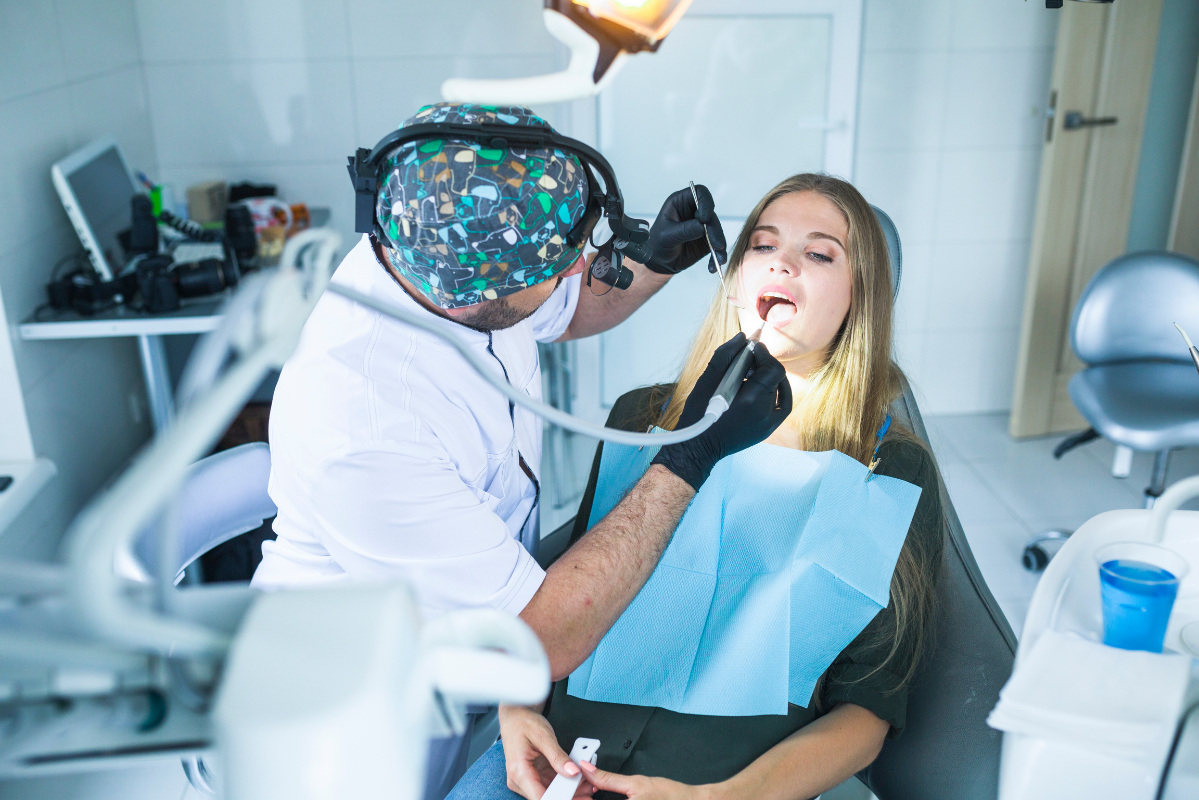
A dental hygienist usually starts your appointment. They’ll take you back to the treatment room and review your health history with you. Then comes the visual exam. The hygienist looks at your teeth, gums, tongue, and the inside of your mouth. They’re checking for obvious problems like cavities, gum disease, or unusual spots that might need attention.
Many offices also take X-rays during this phase, especially if it’s been a while since your last set. X-rays show what’s happening below the gum line and between teeth, where the human eye can’t see. They help detect cavities, bone loss, impacted teeth, and other hidden issues.
The Actual Cleaning Process
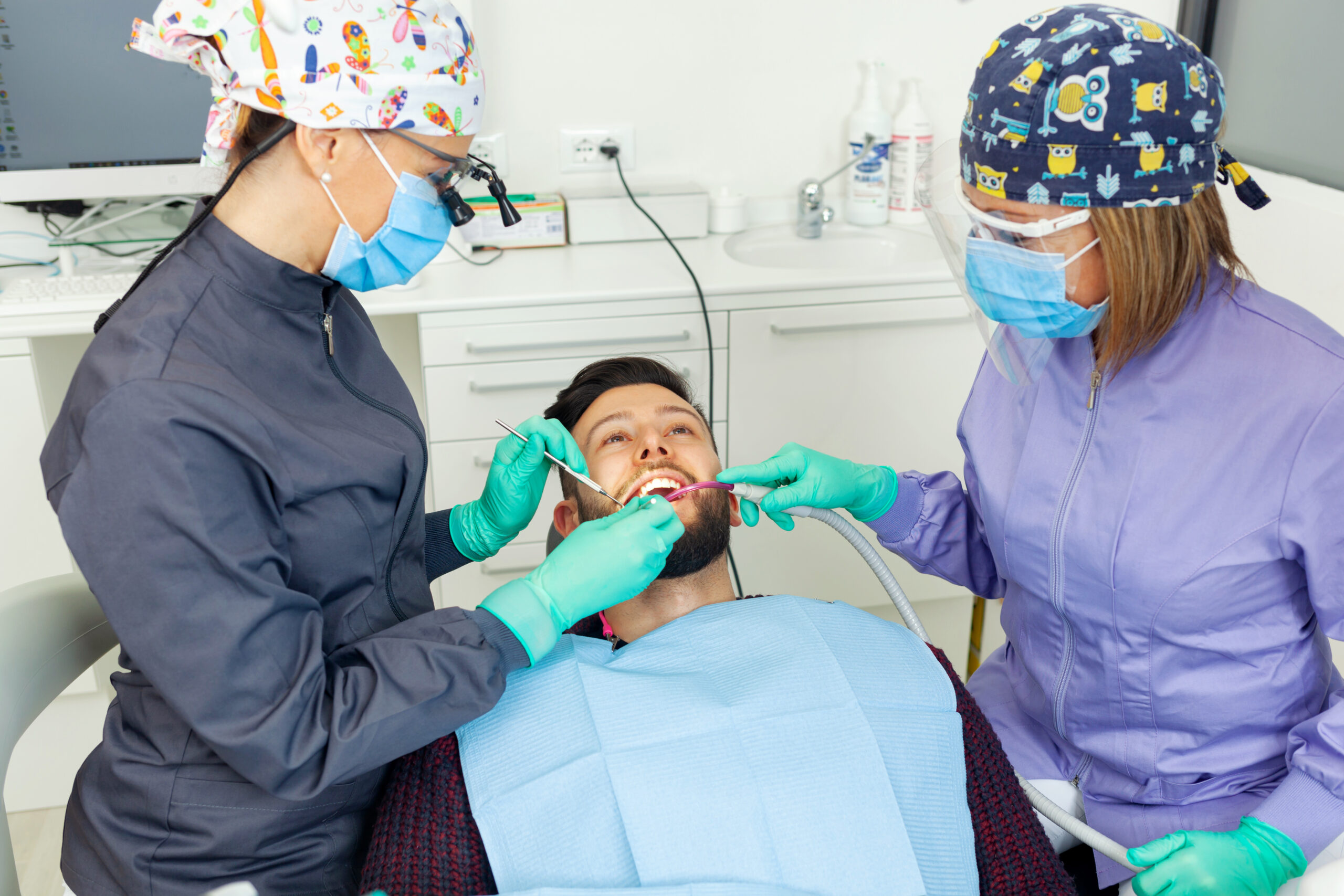
Now we get to the main event. The hygienist uses special tools to remove plaque and tartar from your teeth. Plaque is that sticky film you feel on your teeth in the morning. When plaque hardens, it becomes tartar, which you can’t remove with regular brushing.
The scraping sound you hear? That’s a metal tool called a scaler removing tartar buildup. It might feel uncomfortable, but it shouldn’t hurt. If you experience pain, let your hygienist know right away. They can adjust their technique or provide numbing gel.
After scaling, the hygienist polishes your teeth with a gritty paste and a rotating brush. This removes surface stains and makes your teeth feel smooth and clean. The paste tastes a bit gritty but comes in flavors like mint or cherry.
Flossing and Fluoride Treatment
Next, the hygienist flosses between all your teeth. Professional flossing reaches spots you might miss at home and helps remove any leftover debris from the cleaning.
The final step is usually a fluoride treatment. Fluoride strengthens tooth enamel and helps prevent cavities. The hygienist applies a gel, foam, or varnish to your teeth. You’ll need to avoid eating or drinking for about 30 minutes after to let the fluoride work its magic.
The Dentist’s Comprehensive Exam
After your cleaning, the dentist comes in for a thorough examination. This is where their years of training really show. Your Glendale dentist will check everything the hygienist noted and dig deeper into any areas of concern.
What the Dentist Looks For
The dentist examines each tooth individually, checking for:
Cavities and decay: Even tiny cavities that don’t hurt yet show up during a careful exam. Catching them early means smaller fillings and less drilling.
Gum health: The dentist measures the pockets between your teeth and gums. Deep pockets can indicate gum disease, which affects nearly half of all adults over 30.
Bite alignment: How your teeth come together matters. Problems with your bite can cause jaw pain, headaches, and uneven tooth wear.
Oral cancer screening: Your dentist checks your tongue, throat, neck, and mouth tissues for any suspicious lumps, sores, or discolored patches. Early detection of oral cancer dramatically improves treatment outcomes.
Existing dental work: Fillings, crowns, and other previous work get checked to make sure they’re still in good shape.
X-Ray Review
If X-rays were taken, the dentist reviews them carefully. They look for problems between teeth, issues with tooth roots, bone loss around teeth, and the position of unerupted teeth. Sometimes problems show up on X-rays months or years before they cause symptoms.
Understanding Your Treatment Plan
After the exam, your dentist near me will discuss their findings with you. If everything looks good, great! You’ll schedule your next cleaning and be on your way. If problems were found, the dentist will explain what needs to be done and why.
Don’t be afraid to ask questions. A good dentist wants you to understand your oral health. Ask about:
- What the problem is and what caused it
- What happens if you don’t treat it
- All available treatment options
- Expected costs and whether insurance covers it
- How long treatment will take
You’re a partner in your dental care. Understanding your treatment helps you make informed decisions about your health.
How to Make Your Checkup More Comfortable
Many people feel anxious about dental visits. Here are some tips to make your experience better:
Communicate openly: Tell your dental team about any fears or concerns. They’ve heard it all before and can help you feel more comfortable.
Schedule wisely: Book appointments when you’re less likely to feel rushed or stressed. Morning appointments work well for many people.
Practice good home care: Brushing twice daily and flossing once keeps your cleanings shorter and more comfortable. Less buildup means less scraping.
Ask about sedation: If anxiety is severe, many offices offer sedation options to help you relax.
The Role of Preventive Care in Long-Term Health
Regular checkups do more than keep your smile bright. Research shows strong links between oral health and overall wellness. Gum disease has been connected to heart disease, diabetes complications, and respiratory problems. Taking care of your teeth helps protect your whole body. According to the American Dental Association, most people should visit their dentist every six months. However, some people with gum disease or other issues might need more frequent visits. Your Glendale dentist can recommend the right schedule for your specific needs.
Common Misconceptions About Dental Checkups
“If my teeth don’t hurt, I don’t need to go”: Pain means a problem has already developed. Checkups catch issues before they hurt.
“Cleanings damage tooth enamel”: Professional cleanings are safe. The tools used don’t harm healthy enamel.
“I brush well, so I don’t need professional cleaning”: Even perfect brushing can’t remove hardened tartar. Only professional tools can do that.
“Dental visits are too expensive”: Preventive care costs far less than treating advanced problems. Many insurance plans cover checkups and cleanings completely.
What Happens After Your Appointment
Before you leave, the front desk will help you schedule your next appointment. Most offices send reminders by text, email, or phone. Keeping up with regular visits is the key to maintaining good oral health.
If treatment was recommended, the office can help you understand costs and payment options. Many dental practices work with patients to create affordable payment plans.
Frequently Asked Questions
1. How long does a typical checkup and cleaning take?
Most appointments last 45 minutes to an hour. Your first visit might take longer because of paperwork and a more detailed health history.
2. Does teeth cleaning hurt?
Most people feel minimal discomfort. If you have sensitive teeth or gum disease, you might feel some tenderness. Tell your hygienist if anything hurts.
3. How often should I get my teeth cleaned?
The standard recommendation is every six months. Your dentist might suggest more frequent cleanings if you have gum disease or other oral health issues.
4. Can I eat right after a cleaning?
You can eat after your cleaning, but wait 30 minutes if you received a fluoride treatment. This gives the fluoride time to strengthen your teeth.
5. What if the dentist finds a cavity?
Your dentist will explain the cavity’s size and location. Small cavities can be filled in a single appointment. Larger ones might need more extensive treatment.
6. Are dental X-rays safe?
Yes. Modern dental X-rays use very low radiation levels. The Food and Drug Administration confirms that dental X-rays are safe when proper safety measures are followed.
7. Will insurance cover my checkup and cleaning?
Most dental insurance plans cover preventive care like checkups and cleanings at 100%. Check with your insurance provider or ask the dental office to verify your benefits.
Take Charge of Your Oral Health Today
Now you know exactly what happens during a dental checkup and cleaning. There’s no mystery, no surprises. Just a straightforward process designed to keep your teeth and gums healthy for life. Regular dental visits are one of the best investments you can make in your health. They prevent painful problems, save you money, and help you keep your natural teeth longer.
Don’t wait until something hurts to schedule an consultation with a Glendale dentist. Ready to get started? Contact a local dentist near me and book your next appointment. Your future self will thank you for taking this important step toward better oral health.