Dental crowns are a popular and effective solution for restoring damaged teeth, protecting weak teeth, or enhancing the appearance of a smile. While crowns are designed to be durable and long-lasting, there are instances where they can come loose or even fall out. Understanding the reasons behind this can help patients take steps to prevent it and know what to do if it happens. In this blog, we’ll explore the common causes of dental crowns falling out and what you can do to avoid such issues.
What Is a Dental Crown?
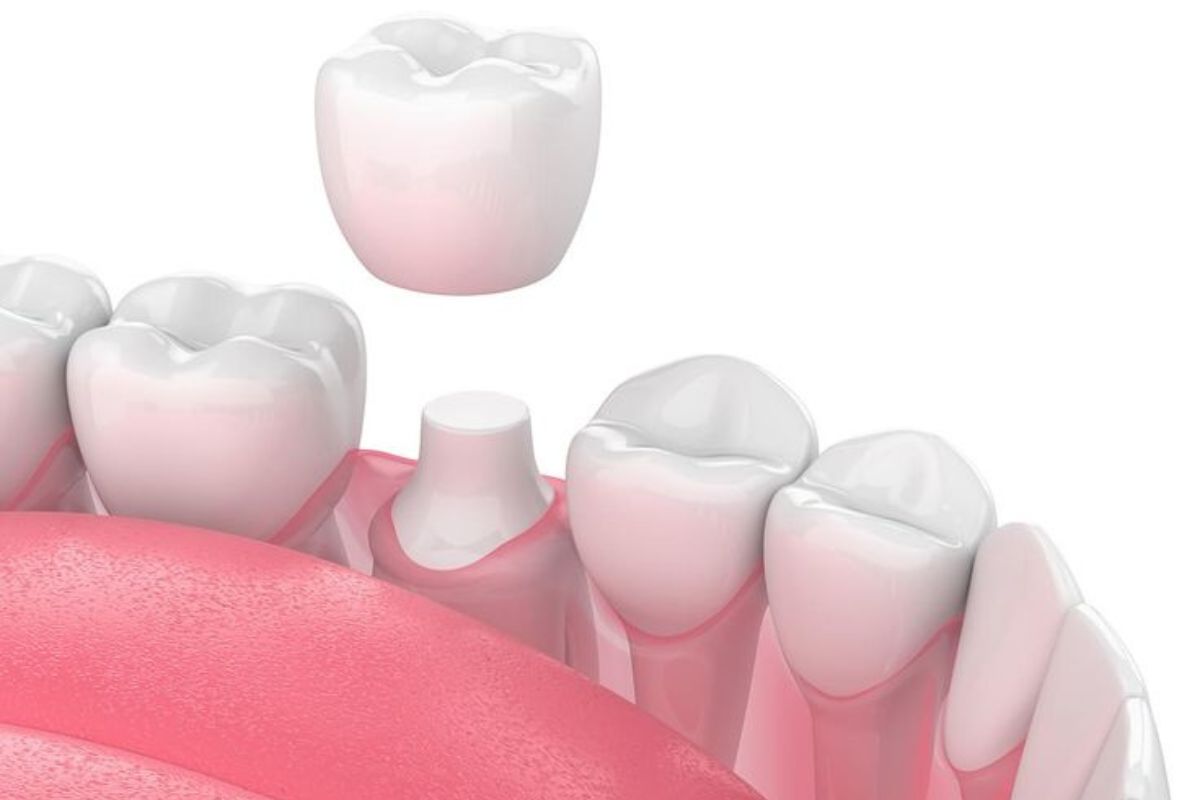
A dental crown is a custom-made cap that fits over a damaged or decayed tooth to restore its shape, size, and strength. Crowns are typically made from materials such as porcelain, ceramic, metal, or a combination of these. When properly placed, a crown can last anywhere from 5 to 15 years or even longer with good care.
Common Causes of Dental Crowns Falling Out
While dental crowns are designed to be secure, several factors can contribute to them becoming loose or falling out entirely. Here are some of the most common causes:
1. Cement Breakdown
Crowns are held in place by a special dental cement that bonds the crown to the tooth structure. Over time, this cement can degrade due to normal wear and tear. Exposure to moisture and bacteria can cause the cement to weaken, leading to a loose crown.
2. Tooth Decay
Even with a crown, the natural tooth underneath is still susceptible to decay, particularly around the edges (margins) where the crown meets the tooth. If decay occurs under the crown, it can compromise the bond between the crown and the tooth, causing the crown to loosen or fall off. Poor oral hygiene, such as inadequate brushing and flossing, increases the risk of this happening.
3. Trauma or Injury
A sudden impact to the mouth, whether from a fall, accident, or sports injury, can cause a dental crown to become dislodged. Biting down on something hard, like ice or a popcorn kernel, can also lead to trauma that weakens or displaces the crown.
4. Improper Fit
If a crown wasn’t properly fitted or bonded during the initial placement, it may not sit securely on the tooth. This can lead to gradual loosening over time. Crowns that are too large or too small can also cause problems with the bite, further increasing the likelihood of the crown coming loose.
5. Grinding or Clenching (Bruxism)
Patients who grind or clench their teeth, a condition known as bruxism, put excessive pressure on their teeth and crowns. This constant pressure can weaken the cement and eventually cause the crown to come loose. Bruxism often occurs at night, and patients may not be aware of it until damage has already been done.
6. Chewing Sticky or Hard Foods
Certain foods can increase the risk of a crown falling out. Chewing very sticky foods like caramels or chewing gum can pull on the crown and loosen it. Hard foods such as nuts, hard candies, and ice can also put too much pressure on the crown, potentially damaging it or the cement holding it in place.
7. Wear and Tear
Just like natural teeth, crowns undergo wear and tear over time. The material of the crown can erode, crack, or become damaged, especially if it’s made of softer materials like porcelain. When this happens, the structural integrity of the crown may weaken, causing it to loosen or fall out.
What Should You Do if a Crown Falls Out?
If your crown falls out, it’s important to contact your dentist as soon as possible to avoid further damage to the underlying tooth. Here are the steps you can take in the meantime:
- Remove the Crown – If the crown is still in your mouth, carefully remove it to prevent swallowing or choking.
- Rinse and Clean – Rinse the crown and your mouth with warm water to remove any debris. Be gentle around the exposed tooth.
- Temporarily Reattach the Crown – If you cannot get to the dentist immediately, some pharmacies offer temporary dental cement that can be used to reattach the crown temporarily. This should only be done as a short-term solution.
- Avoid Using the Affected Tooth – Try to avoid chewing on the side of the mouth where the crown has come off to prevent further damage to the tooth or crown.
How to Prevent Dental Crowns from Falling Out
To reduce the chances of a dental crown falling out, follow these preventive tips:
- Practice Good Oral Hygiene – Brush and floss regularly, especially around the edges of the crown, to prevent tooth decay.
- Wear a Night Guard – If you grind or clench your teeth, wearing a Night Guard can protect your crowns from excessive pressure.
- Avoid Sticky or Hard Foods – Limit your consumption of sticky, chewy, and hard foods to protect your crown from unnecessary stress.
- Visit Your Dentist Regularly – Regular dental check-ups will help your dentist spot any issues with your crown before it becomes a bigger problem.
- Be Gentle with Your Teeth – Avoid habits like chewing on pens, nails, or other objects that could damage your crown.
Dental crowns are a reliable way to restore the function and appearance of damaged teeth, but they aren’t immune to problems. Understanding the common causes of crowns falling out—such as cement breakdown, tooth decay, trauma, and improper fit—can help you take the necessary precautions to protect your dental work.
If your crown does come loose or falls out, don’t panic. Contact your Glendale dentist immediately to get it reattached and avoid further complications. With proper care, a dental crown can last for many years and continue to provide support for your tooth.