Dental pain can strike at any time. When it happens, you need fast help. An emergency dentist can save your tooth and ease your pain. But what should you expect during your visit?
This guide walks you through the entire process. From the moment you call to your follow-up care, we cover it all.
When Do You Need an Emergency Dentist?
Dental problems don’t wait for office hours. Some issues need quick care to prevent bigger problems.
Common dental emergencies include:
- Severe tooth pain that won’t stop
- A knocked-out tooth
- Broken or cracked teeth
- Lost fillings or crowns
- Swollen gums or face
- Bleeding that won’t stop
If you face any of these issues, don’t wait. Call an emergency dentist glendale right away.
Before Your Visit: What to Do
Stay calm: Pain makes everything feel worse. Take deep breaths and focus on getting help.
Call ahead: Most emergency dentist glendale az offices want you to call first. This helps them prepare for your visit and give you helpful advice.
Gather information: Be ready to describe your pain. When did it start? What makes it better or worse? Have you taken any pain medicine?
Bring important items:
- Your ID and insurance cards
- A list of medicines you take
- Any dental X-rays from recent visits
- The broken tooth piece (if you have it)
What Happens When You Arrive
The office staff will greet you and ask for your information. You’ll fill out forms about your health history and current problem.
Pain assessment comes first: The team wants to know how much pain you’re in. They use a scale from 1 to 10. Be honest about your pain level.
Vital signs check: A staff member may check your blood pressure and temperature. This helps them understand your overall health.
Brief medical history: The dentist needs to know about health conditions and medicines. Some conditions affect dental treatment.
The Examination Process
Your emergency dentist will start with questions about your pain. They want to understand what happened and how you feel now.
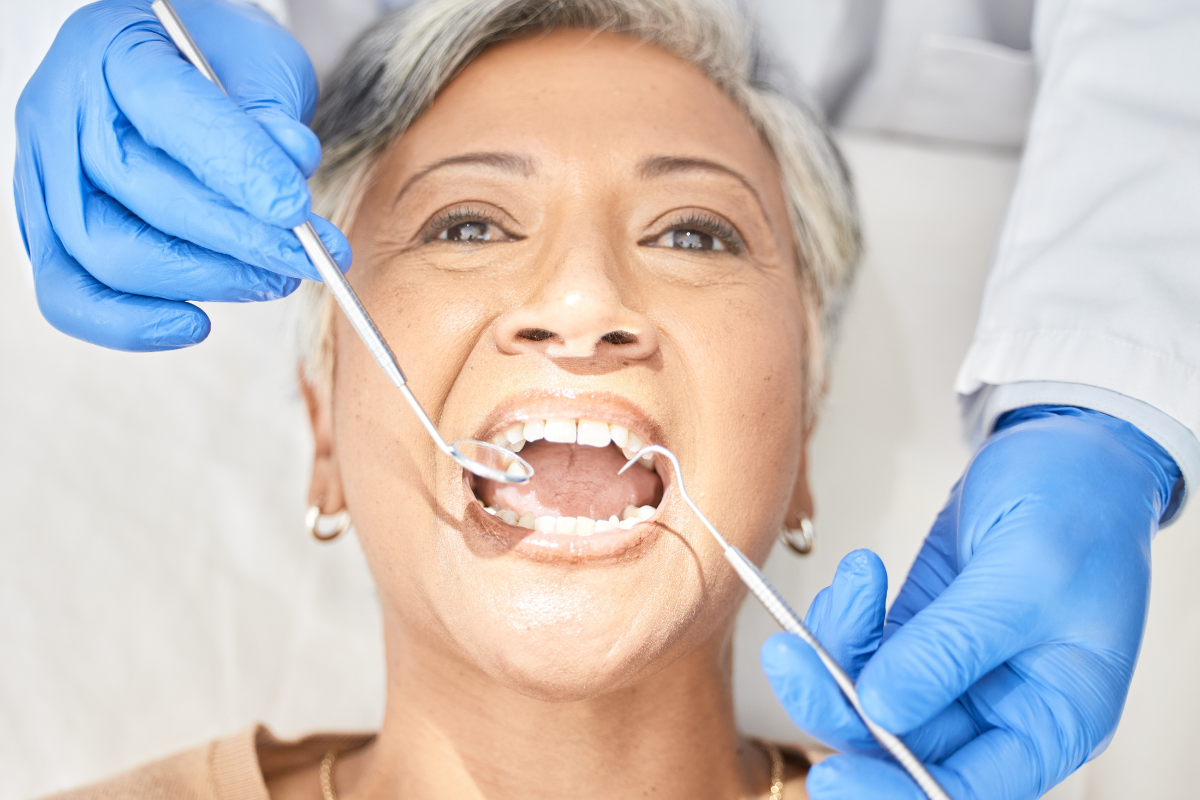
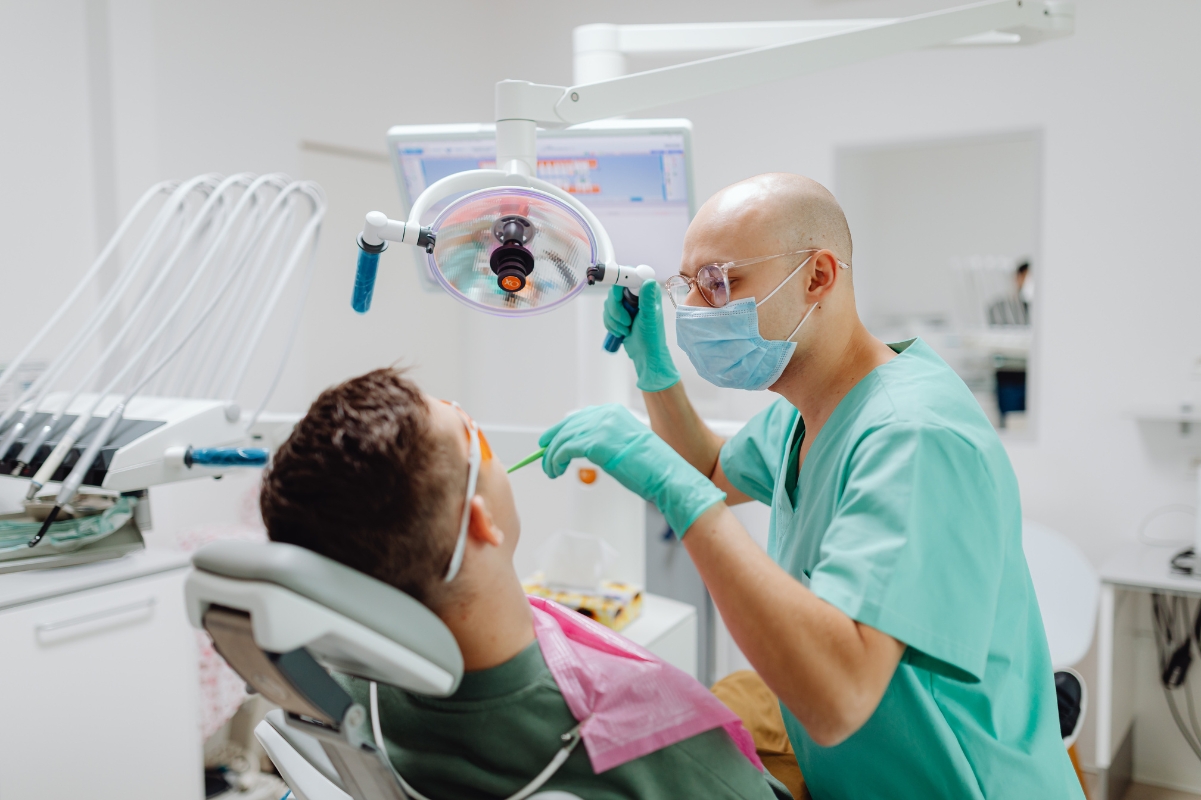
Visual exam comes next: The dentist looks inside your mouth with special tools. They check your teeth, gums, and tongue.
Gentle testing: They may tap on teeth or use cold air to find the problem area. Tell them if something hurts.
X-rays when needed: Many dental problems hide under the surface. X-rays show what the eye can’t see. Don’t worry – dental X-rays use very little radiation.
Common Emergency Treatments
The treatment depends on your specific problem. Here are some common fixes:
For severe pain:
- Pain medicine prescription
- Antibiotics if infection is present
- Temporary filling to protect the tooth
For knocked-out teeth:
- Quick cleaning and replanting (if possible)
- Splinting to nearby teeth
- Follow-up care instructions
For broken teeth:
- Smoothing sharp edges
- Temporary crown or filling
- Root canal if the nerve is damaged
For lost fillings:
- Cleaning the tooth
- New temporary or permanent filling
- Pain relief measures
Pain Management Options
Emergency dentists have many ways to help with pain:
Local numbing: Shots of numbing medicine block pain in the treatment area. The shot might sting for a second, but then the area goes numb.
Oral pain medicine: Over-the-counter drugs like ibuprofen work well for dental pain. Your dentist might prescribe stronger medicine if needed.
Antibiotics: If you have an infection, antibiotics fight the germs causing your pain.
Temporary fixes: Sometimes the dentist can’t do the full treatment right away. Temporary fixes help until you can return.
What to Expect After Treatment
Immediate relief: Most people feel much better after emergency treatment. The sharp, severe pain should be gone.
Some discomfort is normal: Your mouth might feel sore for a day or two. This is your body healing.
Follow care instructions: Your dentist will give you specific steps to follow. These help you heal faster and prevent problems.
Take prescribed medicine: If you get antibiotics, take all of them. Don’t stop early, even if you feel better.
Follow-Up Care
Emergency treatment often provides temporary relief. You’ll likely need more complete treatment later.
Schedule your next visit: Don’t put this off. Temporary fixes don’t last forever.
Watch for warning signs: Call your emergency dentist glendale if pain returns or gets worse.
Keep the area clean: Gentle brushing and rinsing help prevent infection.
Cost and Insurance
Emergency dental care costs vary based on the treatment you need. Simple fixes cost less than complex procedures.
Insurance often helps: Most dental insurance covers emergency care. Check your benefits before your visit.
Payment options: Many offices offer payment plans for people without insurance.
Get an estimate: Ask about costs before treatment starts. This helps you make informed choices.
Frequently Asked Questions
Q: How quickly can I see an emergency dentist?
A: Most emergency dentist glendale az offices can see you the same day. Some offer after-hours and weekend appointments.
Q: Will the treatment hurt?
A: Dentists use numbing medicine to prevent pain during treatment. You might feel pressure, but not sharp pain.
Q: What if I can’t afford emergency dental care?
A: Many offices offer payment plans. Some community health centers provide low-cost emergency care.
Q: Should I go to the emergency room for dental pain?
A: Emergency rooms can’t fix dental problems. They can only give pain medicine and antibiotics. See a dentist instead.
Q: How long do emergency dental appointments take?
A: Simple treatments take 30-60 minutes. Complex problems might need longer appointments or multiple visits.
Q: What should I do if my tooth gets knocked out?
A: Pick it up by the crown (not the root). Rinse it gently and try to put it back in the socket. If that doesn’t work, keep it in milk and see a dentist right away.
Summary
Dental emergencies happen when you least expect them. Knowing what to expect makes the experience less scary.
Remember these key points:
- Call ahead to describe your problem
- Bring your insurance information and medicine list
- Be honest about your pain level
- Follow all after-care instructions
- Schedule follow-up appointments
Emergency dental care provides fast relief from pain. The dentist will examine your mouth, take X-rays if needed, and provide treatment to fix the immediate problem.
Most people feel much better after their visit. With proper follow-up care, your mouth will heal completely.
Visit Our Clinic for Expert Dental Care
If you’re dealing with a dental emergency or have questions about your oral health, our experienced team is here to help. We provide emergency dental services with a focus on patient comfort and quality care.
Our clinic Family Dental Station offers same-day appointments for urgent dental needs. We work with most insurance plans and provide flexible payment options for uninsured patients.
Call us now to book your appointment or to speak with our dental team about any urgent dental concerns. Our friendly staff will answer your questions and help you understand your treatment options. We’re committed to helping you maintain excellent oral health.