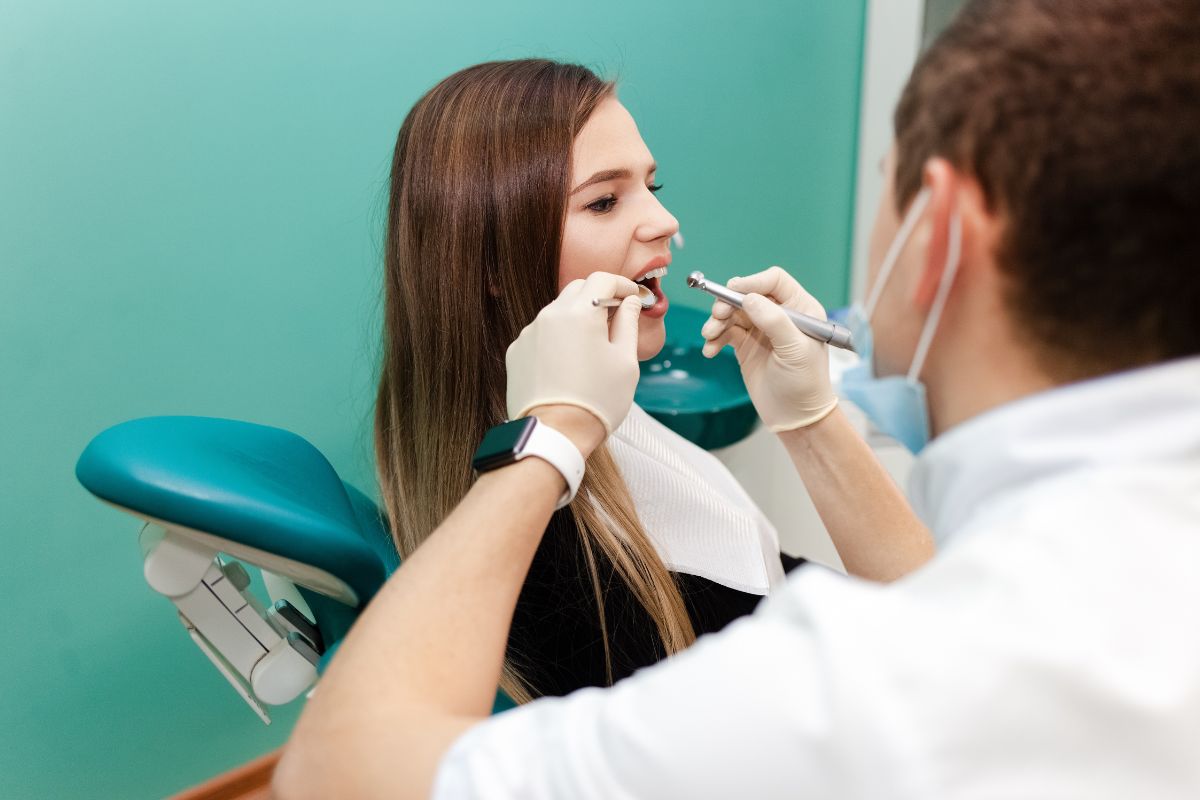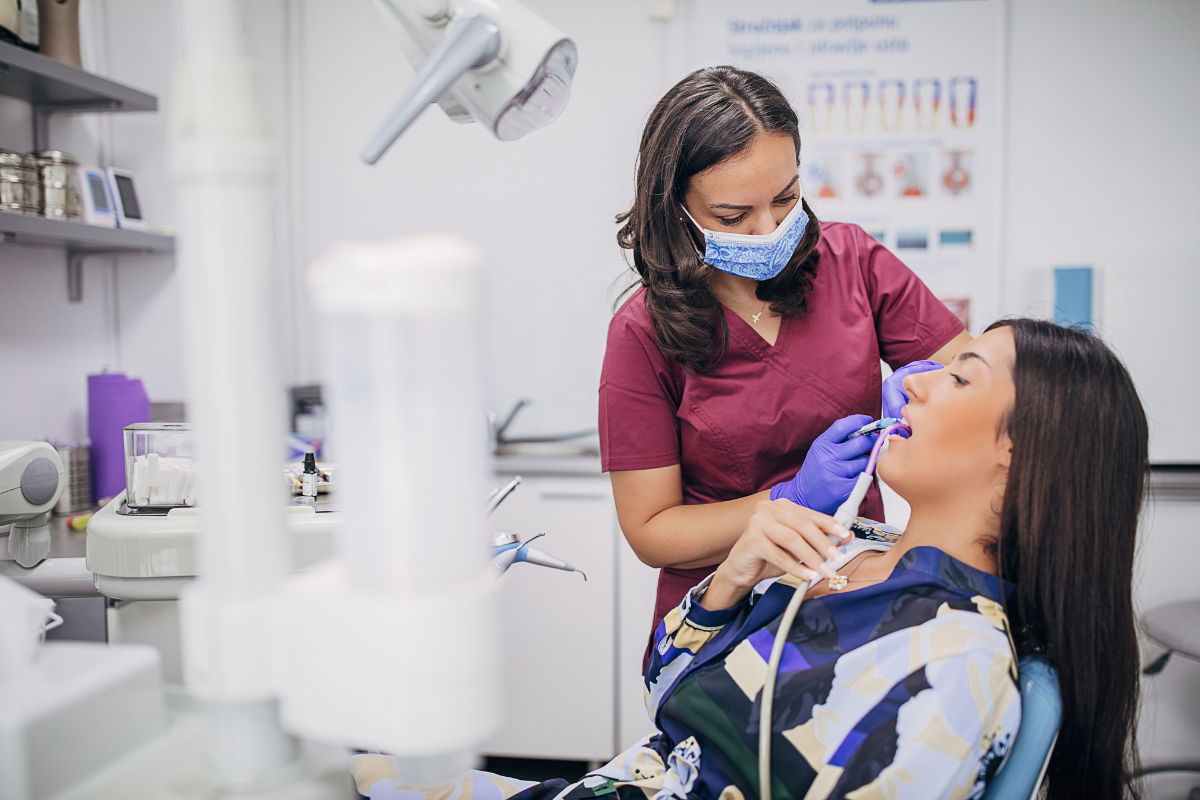
A sudden toothache during dinner. A chipped tooth while playing sports. A knocked-out tooth from an unexpected fall. These moments can turn your day upside down in seconds. Knowing how to respond can make the difference between saving your tooth and losing it forever.
Dental emergencies don’t wait for convenient times. They happen on weekends, holidays, and late nights when your regular dental office is closed. That’s why understanding what counts as a true emergency and how to handle it matters so much. Whether you need an emergency dentist Glendale AZ or just want to be prepared, this guide will help you face unexpected oral issues with confidence.
What Counts as a Dental Emergency?
Not every dental problem needs immediate attention. A small cavity can wait a few days. A mild sensitivity might resolve on its own. But some situations demand quick action.
Serious Dental Emergencies
Knocked-Out Tooth: This is the most time-sensitive emergency. You have about 30 to 60 minutes to save the tooth. Handle it by the crown (the white part), not the root. Rinse it gently with water if it’s dirty, but don’t scrub it. Try to place it back in the socket if possible. If that doesn’t work, keep it moist in milk or your saliva until you reach a dentist in Glendale.
Severe Tooth Pain: Pain that stops you from eating, sleeping, or functioning normally needs attention. It could signal an infection, abscess, or serious decay that won’t improve without treatment.
Broken or Fractured Tooth: If you’ve broken a large piece of your tooth or can see pink tissue inside, that’s an emergency. Save any pieces you find and rinse your mouth with warm water.
Bleeding That Won’t Stop: If bleeding continues for more than 10 minutes after applying pressure, you need to see a dentist right away.
Swelling in Your Jaw or Face: This could mean an infection is spreading. Facial swelling, especially with fever, requires immediate care.
Issues That Can Wait (But Still Need Attention)
A lost filling or crown can usually wait a day or two. Small chips without pain can be addressed during regular hours. A dull toothache that comes and goes should be checked soon but isn’t typically an emergency.
Step-by-Step Actions for Common Dental Emergencies
Handling a Knocked-Out Tooth
Time matters most here. Pick up the tooth by the crown only. If it has dirt on it, rinse it for 10 seconds under cool water. Don’t use soap or scrub it. The best option is to push it back into the socket right away. Bite down gently on clean cloth to hold it in place.
Can’t put it back? Drop it in a small container of milk. No milk available? Use your own saliva or saline solution. Plain water is your last choice because it can damage the root cells. Get to an emergency dentist Glendale AZ within an hour for the best chance of saving your tooth.
Managing Severe Tooth Pain
Rinse your mouth with warm salt water. Use dental floss to remove any food stuck between teeth. Take over-the-counter pain medicine following the package directions. A cold compress on your cheek can help with swelling.
Don’t put aspirin directly on your gums. This old home remedy can burn your tissue. Don’t apply heat to your face either, as it can make infections worse. These steps only provide temporary relief while you arrange to see a dentist in Glendale.
Treating a Broken or Chipped Tooth
Rinse your mouth with warm water right away. If you’re bleeding, apply gauze to the area for about 10 minutes. A cold compress on your cheek will reduce swelling. Save any tooth pieces you can find.
For small chips, dental wax from a pharmacy can cover sharp edges until your appointment. But larger breaks need professional care quickly to prevent infection and further damage.
Stopping Dental Bleeding
Bite down on clean gauze or a tea bag for 10 minutes. Tea contains tannic acid, which helps blood clot. Stay sitting or standing upright. Lying flat can increase bleeding.
If bleeding continues after 10 minutes of steady pressure, head to an emergency room or call an emergency dentist Glendale AZ immediately. This could indicate a more serious injury.
Dealing with Something Stuck Between Teeth
Try gentle flossing first. Be patient and careful. Never use sharp objects like pins, needles, or knives to remove stuck items. These can damage your gums and teeth badly.
If flossing doesn’t work, see your dentist. Trying to force items out causes more harm than leaving them until a professional can help.
What to Keep in Your Dental Emergency Kit
Being prepared helps you stay calm during a crisis. Keep these items in a small container at home:
- Dentist’s emergency contact number
- Small container with lid
- Gauze pads
- Dental wax
- Pain relievers (ibuprofen and acetaminophen)
- Cold compress
- Dental floss
- Salt (for salt water rinses)
- Cotton balls
- Small flashlight
Store this kit somewhere easy to find. Tell family members where it is. Check it twice a year to replace expired items.
Preventing Dental Emergencies
Many emergencies can be avoided with simple steps. Wear a mouthguard during sports. Don’t chew ice, hard candy, or popcorn kernels. Use scissors instead of your teeth to open packages. Keep up with regular dental checkups to catch problems early.
Regular visits to your dentist in Glendale help spot weak teeth, cavities, and gum problems before they become emergencies. Professional cleanings remove buildup that can lead to infections.
When to Go to the Emergency Room Instead
Some situations need a hospital, not a dental office. Head to the emergency room if you have:
- Jaw fractures or dislocations
- Deep cuts to your face or mouth
- Trouble breathing or swallowing
- Uncontrolled bleeding
- Signs of serious infection (high fever, extreme swelling, confusion)
The ER can stabilize you and address life-threatening issues. They’ll refer you to a dentist for follow-up care once you’re stable.
Finding Emergency Dental Care in Your Area
Know where to turn before an emergency happens. Many dental offices have emergency lines for after-hours calls. Some have same-day appointment slots for urgent cases. Having contact information ready saves precious time when you’re in pain or panic.
Search online for “emergency dentist Glendale AZ” before you need one. Save multiple numbers in your phone. Read reviews to find offices that handle emergencies well. Ask your regular dentist about their emergency protocol during your next visit.
Frequently Asked Questions
1. How much does emergency dental care cost?
Costs vary based on the treatment needed. Simple exams might cost $100 to $200. More complex procedures like root canals or extractions cost more. Many offices offer payment plans. Dental insurance often covers a portion of emergency care.
2. Can I go to urgent care for a tooth problem?
Urgent care centers can help with pain management and infections. But they can’t fix teeth. They’ll give you medicine and refer you to a dentist for actual dental work.
3. What if my regular dentist isn’t available?
Most dental offices have emergency contacts or partner dentists who cover after hours. Call your dentist’s number even after hours. Their voicemail usually has instructions for emergencies.
4. Is a lost crown a real emergency?
Not usually, but don’t wait too long. The exposed tooth can become sensitive or damaged. You can temporarily reattach the crown with dental cement from a pharmacy. See your dentist within a few days.
5. Should I take antibiotics for dental pain?
Only if a dentist prescribes them. Antibiotics treat infections but don’t fix the underlying tooth problem. You still need dental treatment even if antibiotics make you feel better.
6. Can a knocked-out baby tooth be replanted?
No. Baby teeth aren’t replanted because it can damage the permanent tooth developing underneath. Still see a dentist to make sure there’s no other damage.
7. How can I tell if tooth pain is serious?
Severe, constant pain that interferes with daily life needs attention. Pain with swelling, fever, or a bad taste in your mouth signals infection. When in doubt, call your dentist for advice.
Take Control of Your Dental Health
Dental emergencies feel scary, but you now have the knowledge to handle them calmly. Keep emergency contact numbers handy, build your emergency kit, and know which situations need immediate care. The best time to find an emergency dental provider is before you need one. Research your options now while you’re calm and thinking clearly.
Don’t let fear keep you from getting help when you need it. Schedule an consultation with your regular dentist in Glendale to discuss their emergency procedures. If you’re new to the area, contact a local dental office and establish care today. Being prepared now means staying confident later.