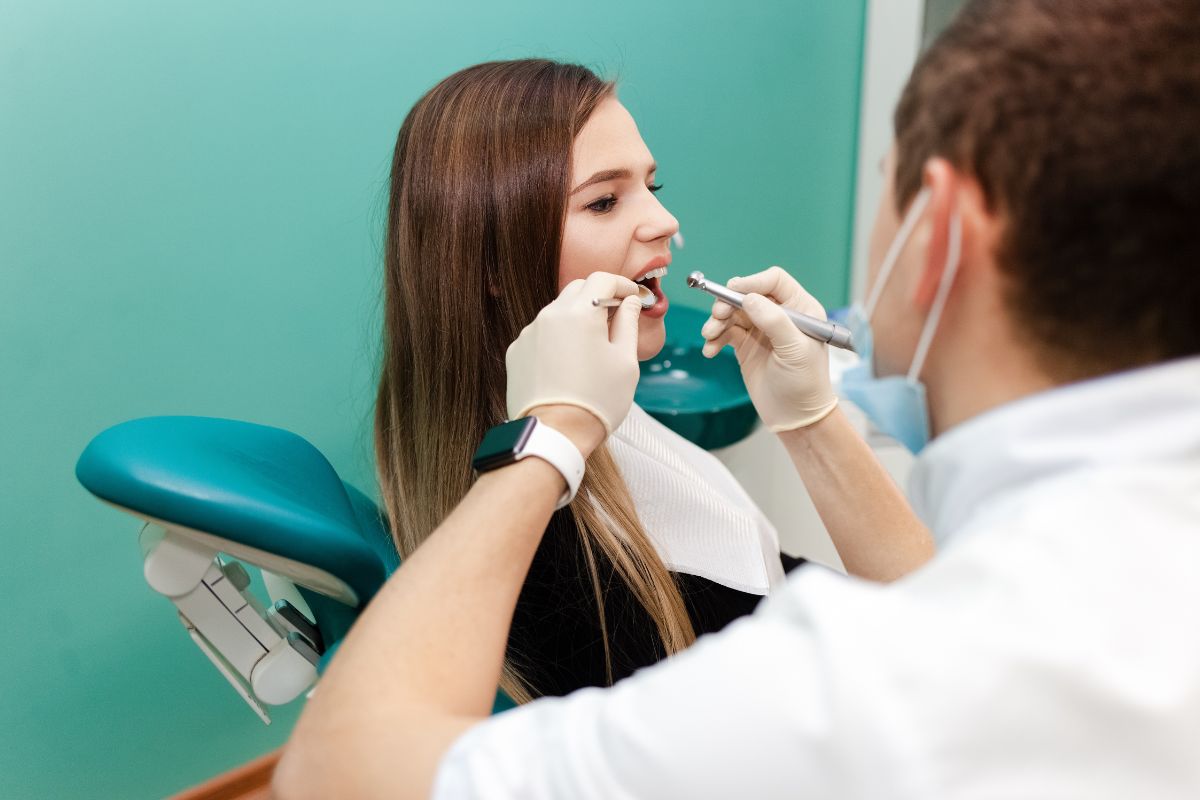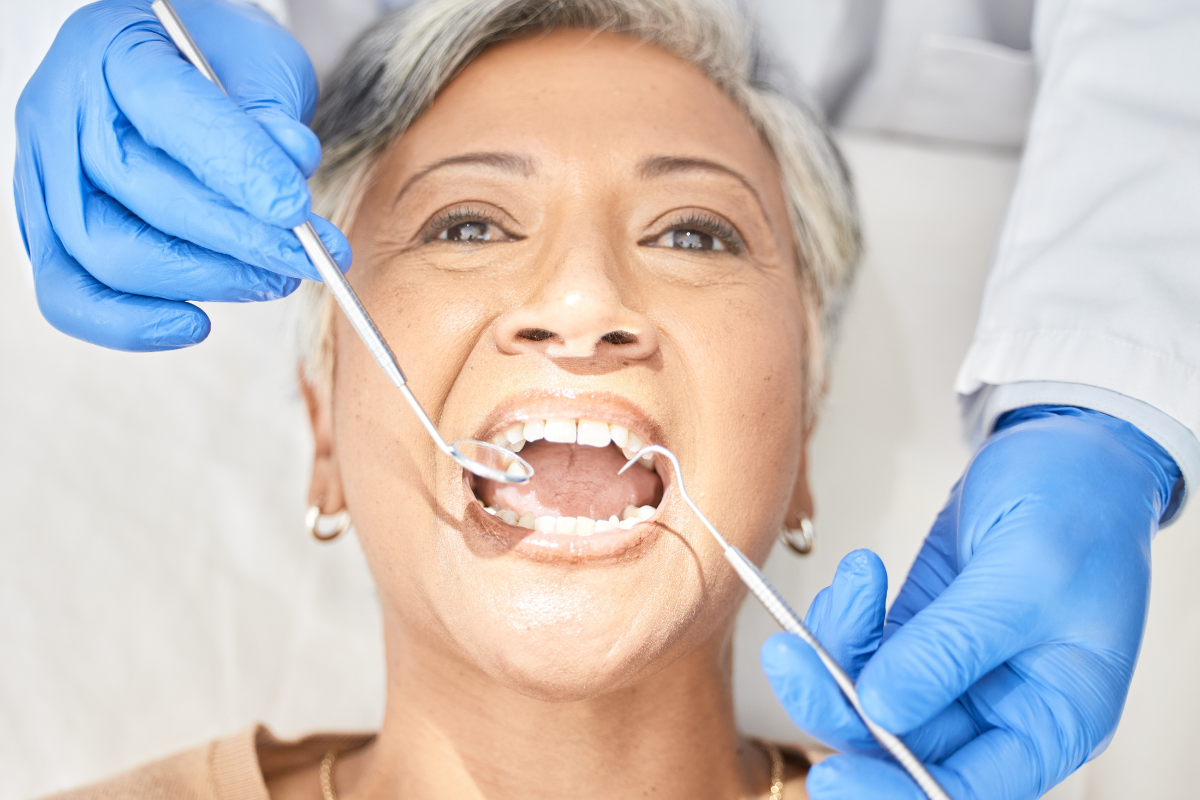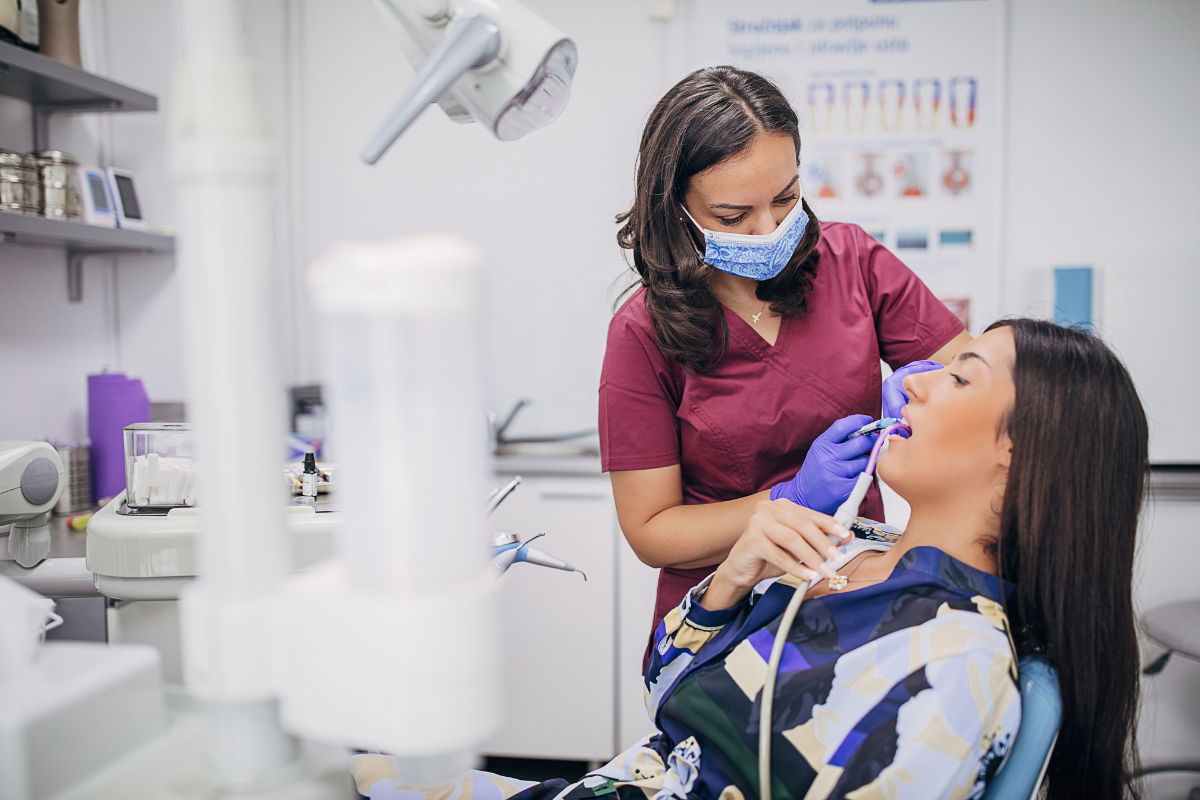
A sudden toothache at midnight. A chipped tooth during dinner. A knocked-out tooth during a weekend game. Dental emergencies never seem to happen at convenient times, and they can be scary when you don’t know what to do.
The good news? Most dental emergencies are manageable when you know the right steps to take. This guide will help you handle unexpected oral issues with confidence and understand when you need to see an emergency dentist in Glendale, AZ.
Common Dental Emergencies and What to Do
Severe Toothache
A painful toothache can stop you in your tracks. The pain might signal an infection, cavity, or abscess that needs immediate attention.
What you should do: Rinse your mouth with warm salt water. Gently floss around the tooth to remove any trapped food. Apply a cold compress to your cheek to reduce swelling. Take over-the-counter pain medicine as directed. If the pain doesn’t go away or gets worse, contact an emergency dentist Glendale right away.
Knocked-Out Tooth
This is one of the most urgent dental situations. Quick action can save your tooth, but you only have about 30 to 60 minutes.
What you should do
Find the tooth and pick it up by the crown (the white part you see when you smile). Don’t touch the root. Rinse it gently with water if it’s dirty, but don’t scrub it. Try to put the tooth back in its socket if you can. If that’s not possible, keep it moist by placing it in milk or holding it between your cheek and gums. Get to a dentist within 30 minutes for the best chance of saving the tooth, according to the American Dental Association.
Chipped or Broken Tooth
Breaking a tooth can happen from biting hard food, accidents, or sports injuries. The damage might be minor or serious.
What you should do: Save any pieces you can find. Rinse your mouth with warm water. If there’s bleeding, apply gauze to the area for about 10 minutes. Apply a cold compress to your face to help reduce swelling. See a dentist as soon as possible, even if the break seems minor.
Lost Filling or Crown
When a filling or crown comes loose, your tooth becomes exposed and sensitive to hot and cold temperatures. You need protection until you can get proper treatment.
What you should do: Keep the crown if you still have it. Clean it gently and try to slip it back onto your tooth using dental cement or toothpaste as temporary glue. Don’t use super glue. Avoid chewing on that side of your mouth. Call your dentist to schedule a repair visit soon.
Abscess or Infection
A dental abscess is a serious infection that appears as a painful, swollen bump on your gums. This needs fast treatment because infections can spread.
What you should do: Rinse with salt water several times a day to help draw out pus and reduce pain. See a dentist right away. Abscesses won’t heal on their own and can lead to bigger health problems if ignored, as noted by the Mayo Clinic.
Soft Tissue Injuries
Cuts to your tongue, cheeks, lips, or gums can bleed a lot and cause worry.
What you should do: Rinse your mouth with salt water. Apply pressure with clean gauze or a tea bag to stop bleeding. Use a cold compress to control swelling. If bleeding doesn’t stop after 15 minutes, go to an emergency room or urgent care center.
Building Your Dental Emergency Kit
Keep these items at home for dental emergencies:
- Dentist’s emergency contact number
- Salt for rinses
- Gauze pads
- Small container with lid
- Dental cement (temporary)
- Pain relievers
- Cold compress or ice pack
- Dental floss
- Cotton balls
When to Seek Emergency Dental Care
Some situations need immediate professional help. Contact an emergency dentist Glendale, AZ if you experience:
- Severe pain that won’t stop
- Heavy bleeding that continues after applying pressure
- Swelling in your face or jaw
- Knocked-out permanent tooth
- Broken jaw
- Difficulty breathing or swallowing
- Signs of infection like fever, bad taste, or pus
Many dental offices offer emergency services outside regular hours. Knowing where to find emergency dental care in your area before you need it saves precious time during a crisis.
Prevention Tips to Avoid Emergencies
While not all dental emergencies can be prevented, you can reduce your risk:
- Visit your dentist twice a year for checkups
- Wear a mouthguard during sports
- Don’t chew ice, hard candy, or popcorn kernels
- Use scissors instead of your teeth to open packages
- Brush twice daily and floss once daily
- Address dental problems early before they become emergencies
The Centers for Disease Control and Prevention recommends regular dental care as a key part of overall health maintenance.
Read More: What to Expect When Visiting an Emergency Dentist
Common FAQs: Dental Emergencies
1: How quickly should I see a dentist for a dental emergency?
A: For knocked-out teeth, seek care within 30 minutes. For severe pain, infections, or heavy bleeding, contact a dentist the same day. Minor chips can usually wait a day or two.
2: Can I go to an emergency room for dental problems?
A: Emergency rooms can help with trauma, infections, or uncontrolled bleeding, but they typically can’t fix dental issues. They’ll provide pain relief and antibiotics if needed, then refer you to a dentist.
3: What if my dental emergency happens on a weekend?
A: Many dental practices offer weekend or after-hours emergency services. Search for an “emergency dentist Glendale” or “emergency dentist near me” or call your regular dentist’s office. Their voicemail usually provides emergency contact information.
4: Is a cracked tooth a dental emergency?
A: Yes, if you have pain, sharp edges, or the crack is large. Even small cracks need attention within a few days to prevent further damage.
5: How much does emergency dental care cost?
A: Costs vary based on treatment needed. Many offices work with insurance and offer payment plans. Don’t let cost concerns delay care, as waiting often makes problems worse and more expensive.
6: Can antibiotics cure a tooth infection without seeing a dentist?
A: No. Antibiotics help control infection spread, but you still need dental treatment to remove the source of infection. The problem will return without proper dental care.
7: What should I do if my child knocks out a baby tooth?
A: Don’t try to put a baby tooth back in. Apply pressure to stop bleeding and call your dentist. Baby teeth aren’t replanted, but the dentist should check for other injuries.
Conclusion
Dental emergencies can be stressful, but knowing how to respond makes all the difference. Stay calm, take the right first aid steps, and get professional help when needed. Keep your dentist’s emergency contact information handy, book an emergency dental consultation and don’t wait to seek care when something feels wrong.
Your smile deserves the best care, especially when unexpected problems arise. Be prepared, act quickly, and trust that most dental emergencies have successful outcomes with prompt treatment.