Do you know how much harm cavities can do to your oral health? They are more than just tiny holes in your teeth. If left untreated, dental caries causes pain, infections, and even the loss of natural teeth. Over time, untreated cavities may even affect your overall health.
However, you can prevent it before it starts. Want to know how? Keep reading this blog till the end to find out the ways to protect your smile from this dental problem.
How Can You Prevent Cavities Before They Form?
Caries do not appear out of nowhere. They often result from daily habits, like what you eat, how you clean your teeth, and how often you visit an efficient dentist in Glendale. Maintaining proper oral hygiene and wise lifestyle choices are crucial in preventing tooth decay. Therefore, here is what you need to do:
Brushing in an Appropriate Way Makes a Significant Difference
Brushing your teeth is the first line of defence against tooth decay. However, are you brushing correctly?
- Brush Twice a Day: Brush your teeth every morning and before bed. If possible, brushing after meals is even more beneficial. Brushing is an excellent way to remove plaque, that sticky little film of bacteria that causes cavities.
- Use Fluoride Toothpaste: Fluoride strengthens the outer layer of your teeth, making them more resistant to decay.
- Pick the Right Toothbrush: A soft-bristled toothbrush is always recommended. It is gentle on your gums and still cleans properly.
- Brush for Two Full Minutes: Set a timer or play a short song. Make sure you clean every surface of each tooth, including the front, back, and chewing sides.
- Do Not Forget Your Tongue: Your tongue holds bacteria. A quick brush keeps your mouth fresher and cleaner.
Flossing Cleans Where Your Brush Can’t Reach
While brushing is essential, it can not get between your teeth as floss can. This is where a lot of food particles and plaque hide.
- Floss Once Every Day: The ideal time to do it is at night before bed. It removes anything left behind from the day.
- Use What Works for You: Traditional floss, dental picks, or water flossers are all effective if used correctly.
- Be Gentle Yet Thorough: Gently slide the floss between your teeth and curve it around each tooth. This cleans the areas below the gumline.
Even though you might floss as a simple step, it plays a big role in preventing cavities between your teeth.
Be Careful with What You Eat and Drink
The way you eat can either help keep your teeth healthy or lead to cavities. Therefore, it all depends on the choices you make:
- Limit Sugary Foods and Drinks: Sugar feeds the bacteria in your mouth, which produce acid that breaks down enamel.
- Watch out for Sticky Snacks: Gummy candies, dried fruits, and even some granola bars can get stuck to teeth and stay there longer.
- Avoid Constant Snacking: With every meal, particularly with sugary snacks, bacteria have another opportunity to produce acid that affects your oral health.
- Drink Water Often: Water washes away food particles and keeps your mouth hydrated. This supports saliva production.
What you can do is replace sugary drinks with water and snack on fresh fruits, vegetables, or cheese instead of candy or chips.
Visit the Dental Professional Before Problems Start
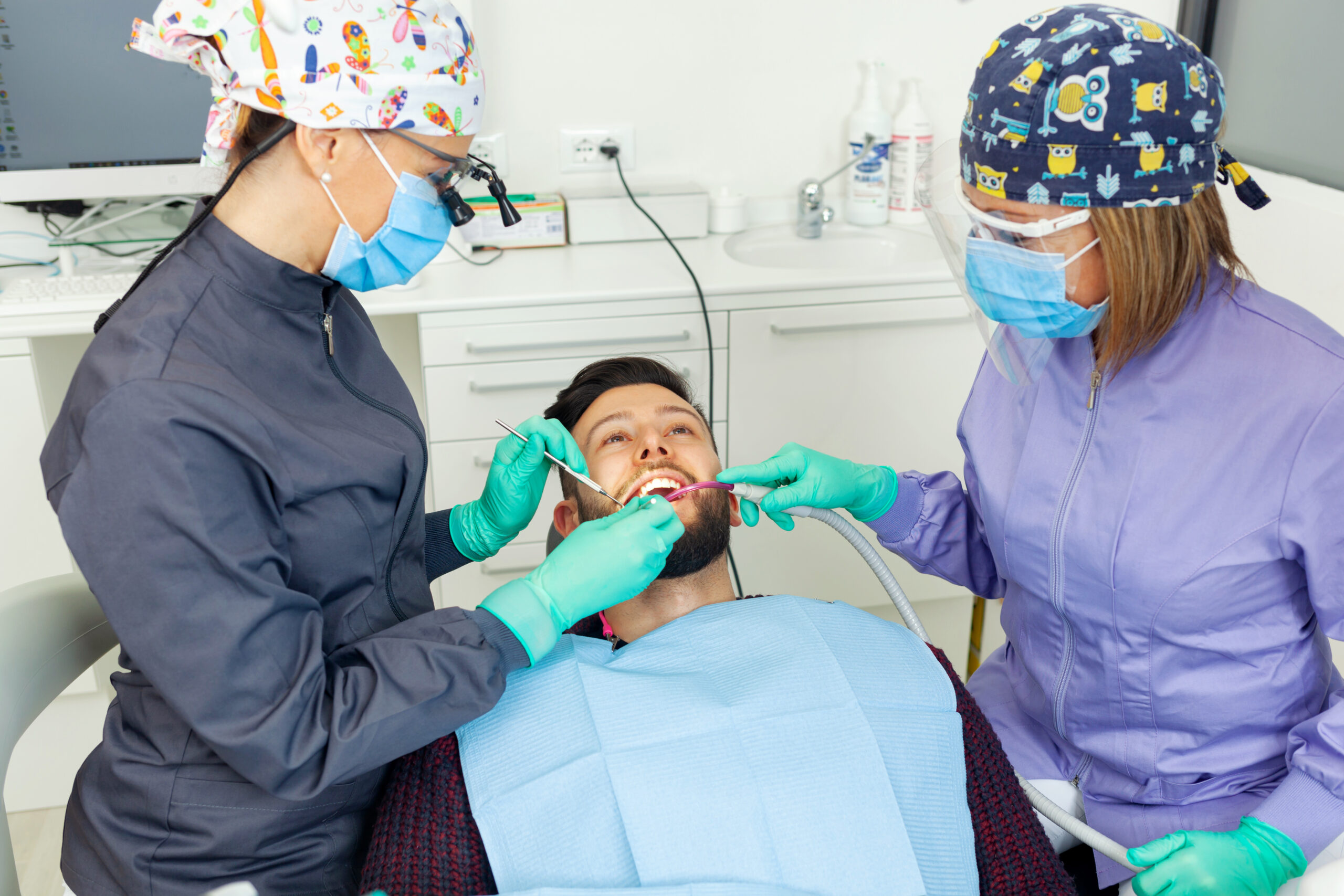
Many people wait to visit a dental office until they feel pain. However, with regular checkups, they detect issues and prevent them before they happen.
- Schedule Checkups Twice a Year: These visits allow your dentist to catch early signs of cavities or other issues before they become serious.
- Professional Cleanings: Even after good brushing, plaque hardens into tartar, which can only be removed at the dental office.
- Guidance on Preventive Treatments: Sealants provide extra protection, especially for kids or those more prone to cavities.
- Personalized Care: A reliable dental practitioner will guide you in improving your daily care based on your specific needs.
Some Additional Tips To Boost Your Oral Health
Apart from brushing, flossing, and regular dental visits, there are a few more habits that you can follow to ensure your oral condition is in top shape:
Interdental Brushes and Water Flossers
While the ADA highlights the importance of cleaning between teeth daily, it recognizes that interdental brushes and water flossers are effective alternatives to traditional floss, particularly for people with braces, bridges, or other dental appliances.
Foods Rich in Calcium and Phosphate
A balanced diet is crucial for maintaining optimal oral health. Therefore, opt for foods rich in calcium and phosphate, such as dairy products and leafy greens. This remineralizes the enamel, enhancing resistance to decay.
Limiting Acidic Beverages and Foods
The American Dental Association limits the consumption of acidic foods and beverages, such as citrus fruits and sodas, as they erode tooth enamel with time. Thus, rinse your mouth after consuming items that neutralize acids and protect the enamel.
Managing Dry Mouth
A dry mouth makes your teeth vulnerable to cavities. Therefore, you must keep yourself hydrated, and if necessary, take saliva substitutes to neutralize the acids and protect your oral health.
Preventing cavities becomes easy when you know what to avoid and what to do. Now that you have reached the end of this blog, you know how to stop this oral problem even before it initiates. Moreover, do not miss out on visiting a dental practitioner who is worth providing the care you need.
However, if you are in search of a reliable dentist, look no further and schedule an appointment at Family Dental Station today to ensure your dental condition is in safe hands.
FAQs
- Can cavities be prevented entirely with good oral hygiene?
Absolutely, regular oral hygiene can prevent decay. However, some people may still be more prone to cavities due to factors like genetics, dry mouth, or weak enamel, making regular checkups a must.
- Is fluoride safe and really necessary to prevent cavities?
Absolutely! Fluoride is safe when used as directed and is one of the most effective tools for preventing tooth decay. It helps strengthen enamel and repair early signs of decay before cavities form. The top-rated dental professionals recommend the use of fluoride for both children and adults.
- How often should I see the dentist to prevent cavities?
It is generally recommended to visit your dental office after every six months for a professional cleaning and exam. However, some people need more frequent visits depending on their oral health conditions.